Maximizing Your Budgeting Skills with a Personal Finance App
To truly benefit from a personal finance app, users should focus on maximizing their budgeting skills. This involves setting realistic financial goals, tracking spending habits, and adjusting budgets accordingly. By utilizing the features of a personal finance app, users can gain insights into their financial behaviors and make informed decisions.
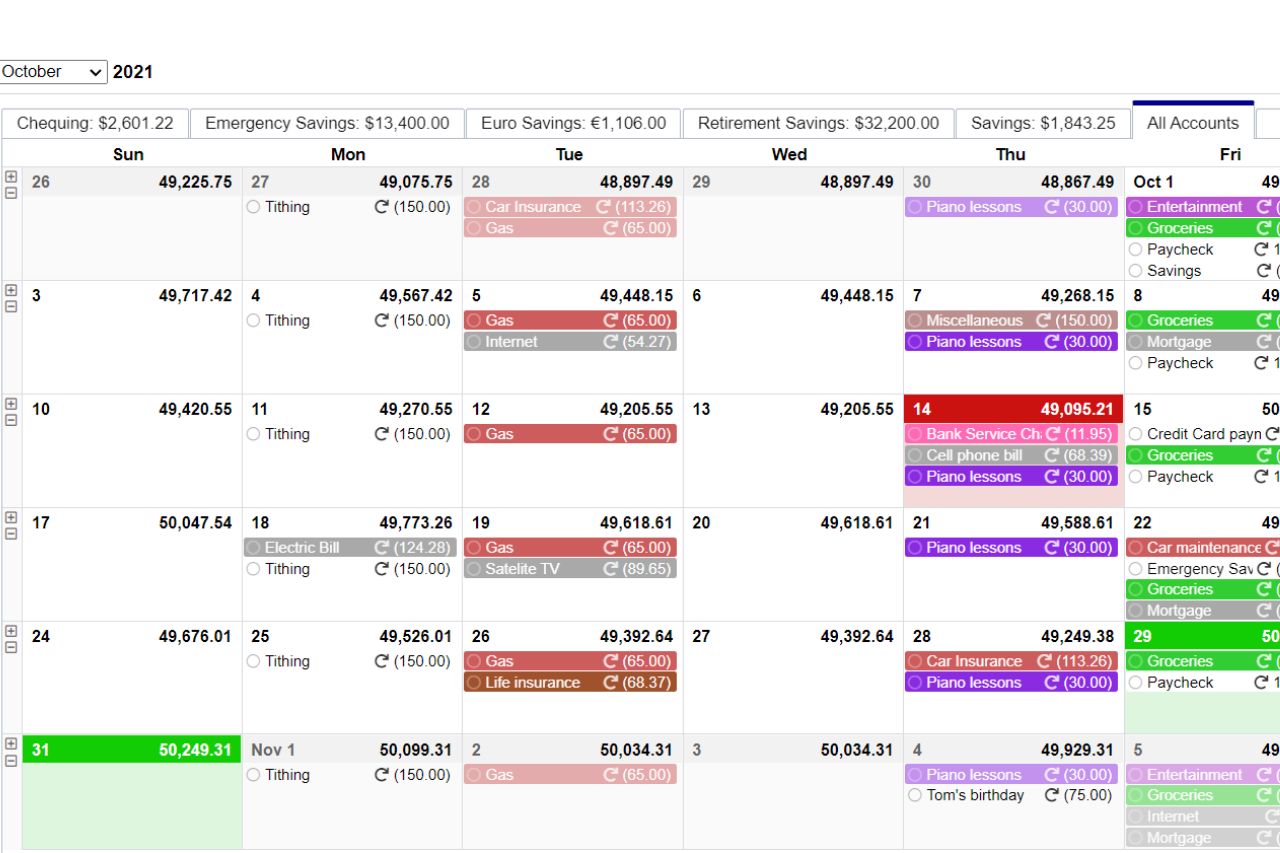
For example, many apps offer visual representations of spending, allowing users to see where their money goes each month. By analyzing these patterns, users can identify areas for improvement, such as reducing discretionary spending or reallocating funds to savings goals. This proactive approach fosters better financial health and discipline.
Integrating Savings Goals into Your Budget
Incorporating savings goals into your budget is crucial for achieving long-term financial stability. A personal finance app can streamline this process by allowing users to set specific savings targets, whether for an emergency fund, vacation, or large purchase. This feature encourages users to prioritize saving alongside their regular expenses.
Many apps provide reminders and alerts to keep users motivated and on track with their savings goals. By regularly reviewing these targets, users can adjust their spending habits and ensure they are consistently contributing towards their financial aspirations, ultimately leading to a more secure financial future.
Understanding Financial Reports Generated by Your App
Personal finance apps often generate detailed financial reports that provide users with a comprehensive overview of their financial health. Understanding these reports is essential for making informed financial decisions. Users can analyze income sources, spending categories, and overall cash flow to identify trends and areas needing attention.
For instance, a user may find that a significant portion of their income is being spent on dining out. With this knowledge, they can make conscious choices to reduce such expenses and redirect those funds towards savings or investment. This insight empowers users to take control of their finances and make data-driven decisions.
Tips for Choosing the Right Personal Finance App
Selecting the right personal finance app is vital for effective financial management. Users should consider their specific needs, such as budgeting, expense tracking, or investment management, and choose an app that aligns with those requirements. Features like user interface, security, and customer support are also important factors to evaluate.
For example, some apps may offer advanced budgeting tools while others excel in investment tracking. Reading reviews and comparing features can help users find an app that not only meets their financial goals but also enhances their overall user experience. Ultimately, the right app can make a significant difference in managing personal finances effectively.