Building a Budgeting Mindset
Developing a strong budgeting mindset is crucial for financial success. This involves understanding the importance of tracking expenses, setting realistic financial goals, and being disciplined about spending. A positive mindset can help individuals view budgeting not as a restriction, but as a tool for empowerment and financial freedom.
For example, individuals can practice mindfulness when it comes to spending decisions by reflecting on their financial priorities and long-term goals. This shift in perspective can lead to more thoughtful choices, such as opting to save for a vacation instead of making impulsive purchases, ultimately fostering a healthier relationship with money.
Utilizing Technology for Budgeting
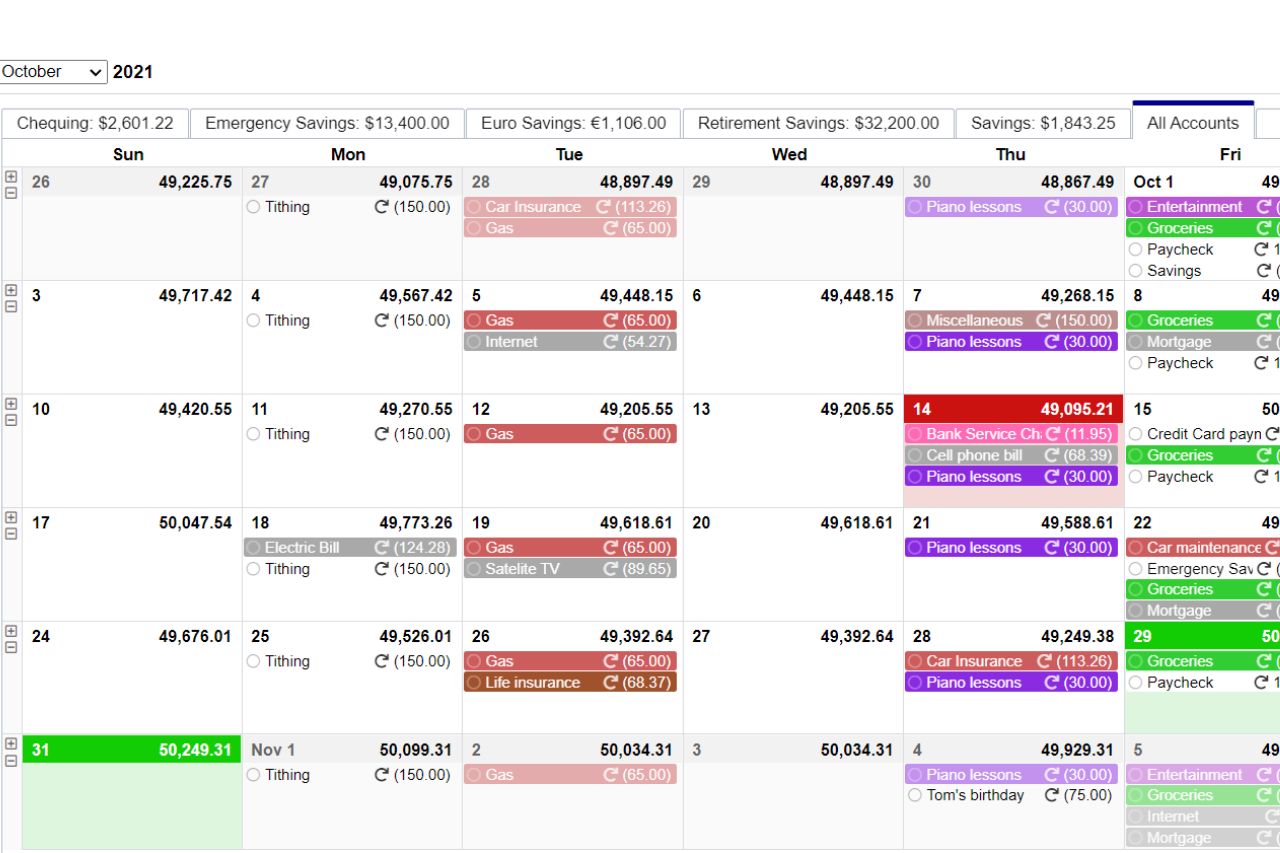
In today's digital age, leveraging technology can significantly enhance budgeting efforts. Tools like CalendarBudget provide users with intuitive interfaces to track their finances efficiently, automate expense tracking, and visualize spending patterns. These technological advancements make it easier for individuals to stay organized and informed about their financial health.
Moreover, many budgeting apps offer features such as goal setting, reminders for bill payments, and integration with bank accounts to provide a comprehensive view of one’s financial situation. By utilizing these resources, users can make informed decisions and adjust their budgets in real time, ensuring they remain on track to meet their financial objectives.
The Role of Savings in Financial Planning
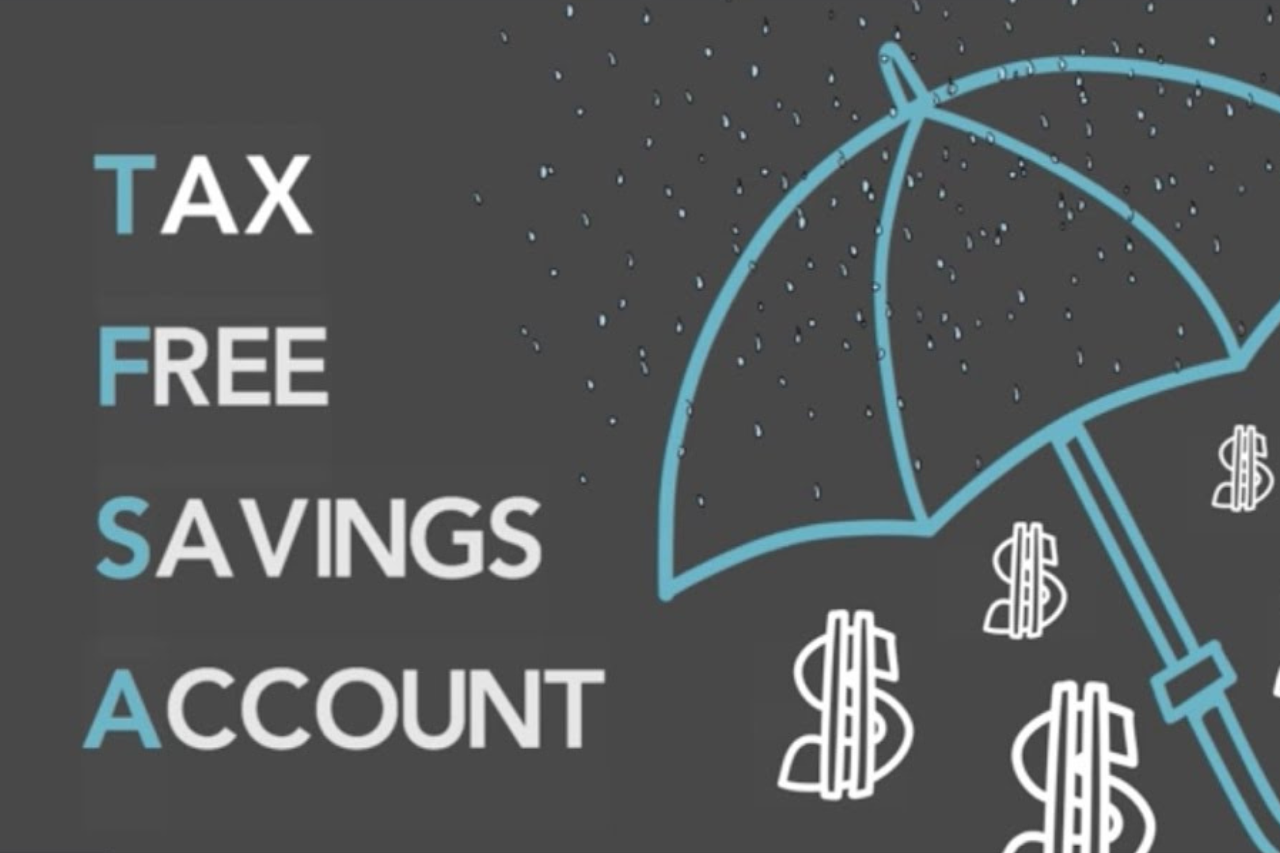
Savings play a pivotal role in effective financial planning, serving as a safety net for unexpected expenses and future investments. Establishing a savings plan is essential for achieving both short-term and long-term financial goals, such as buying a home, funding education, or preparing for retirement. A well-structured savings strategy can provide peace of mind and financial stability.
For instance, setting up automatic transfers to a savings account can help individuals consistently contribute to their savings without the temptation to spend that money. Additionally, understanding different savings vehicles, such as high-yield savings accounts or certificates of deposit, can maximize the growth of savings over time, further enhancing financial security.
Financial Literacy: The Key to Empowerment
Financial literacy is the foundation of effective budgeting and personal finance management. It encompasses understanding key concepts such as interest rates, inflation, investment options, and credit scores. By improving financial literacy, individuals can make informed decisions that positively impact their financial futures.
Educational resources, workshops, and online courses can significantly enhance one’s financial knowledge. For example, learning about the implications of debt and how to manage it effectively can prevent financial pitfalls and empower individuals to take control of their financial situations. Increased financial literacy not only benefits individuals but also contributes to the overall economic well-being of communities.