Debt Management Techniques
Debt management is crucial for maintaining financial health, especially for individuals struggling with multiple debts. Effective techniques include creating a repayment plan, negotiating with creditors, and utilizing debt consolidation options. Each of these strategies can help individuals regain control over their finances and reduce stress associated with debt.
For example, the snowball method encourages individuals to focus on paying off smaller debts first, which can provide a psychological boost as debts are eliminated. Alternatively, debt consolidation allows individuals to combine multiple debts into a single loan with a lower interest rate, simplifying payments and potentially reducing total interest paid over time.
Saving for Retirement
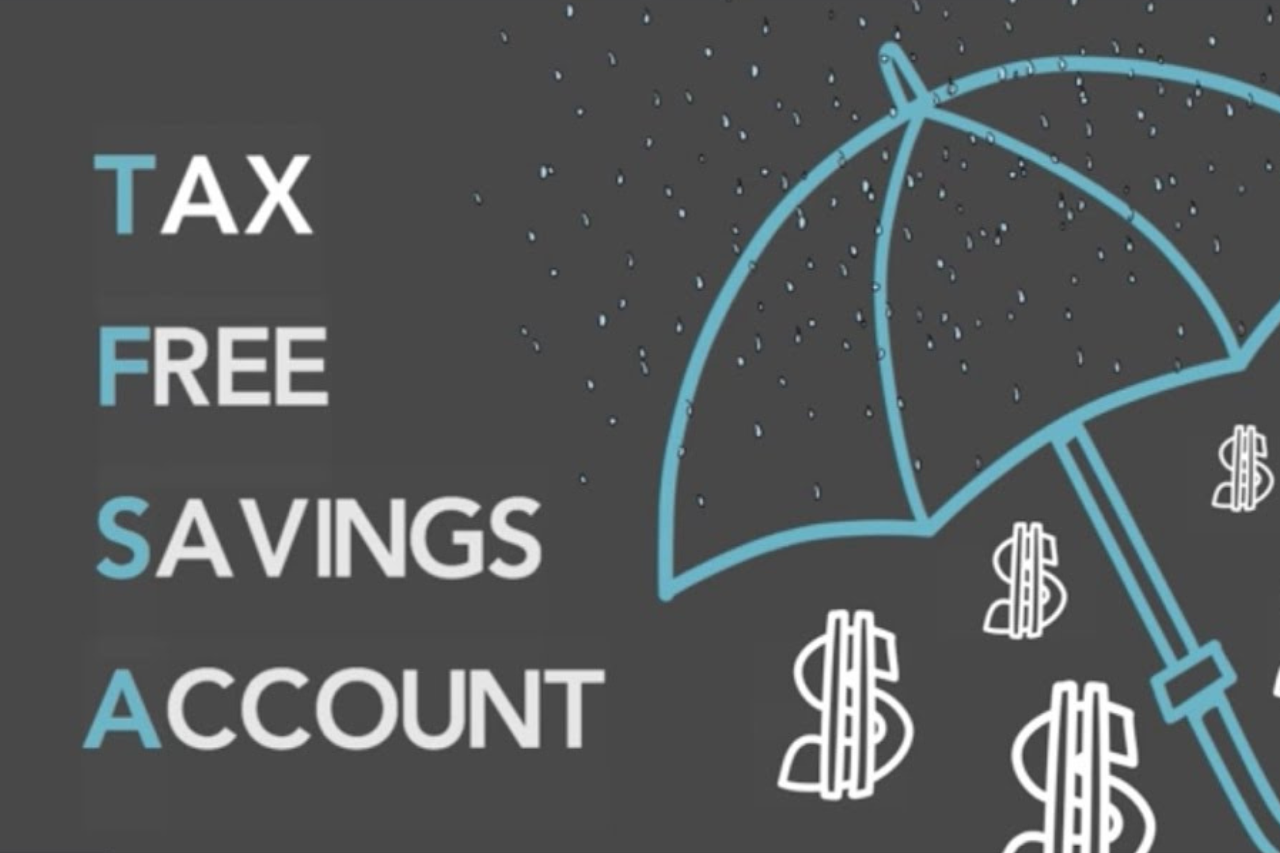
Saving for retirement is a fundamental aspect of financial planning that ensures individuals can maintain their lifestyle after they stop working. It is essential to start saving early and take advantage of retirement accounts such as 401(k)s and IRAs, which offer tax benefits and potential employer matching contributions.
For instance, contributing to a 401(k) can significantly impact long-term savings due to compound interest. Additionally, individuals should regularly assess their retirement savings goals and adjust their contributions based on changes in income and expenses to stay on track for a comfortable retirement.
Building an Emergency Fund
An emergency fund is a financial safety net that can cover unexpected expenses, such as medical bills or car repairs, without derailing an individual’s budget. Financial experts recommend saving three to six months’ worth of living expenses to ensure adequate coverage for unforeseen circumstances.
To build an emergency fund, individuals can start by setting aside a small percentage of their income each month, gradually increasing the amount as their financial situation improves. Utilizing high-yield savings accounts can also help grow the fund more effectively while keeping the money accessible when needed.
Effective Budgeting Strategies
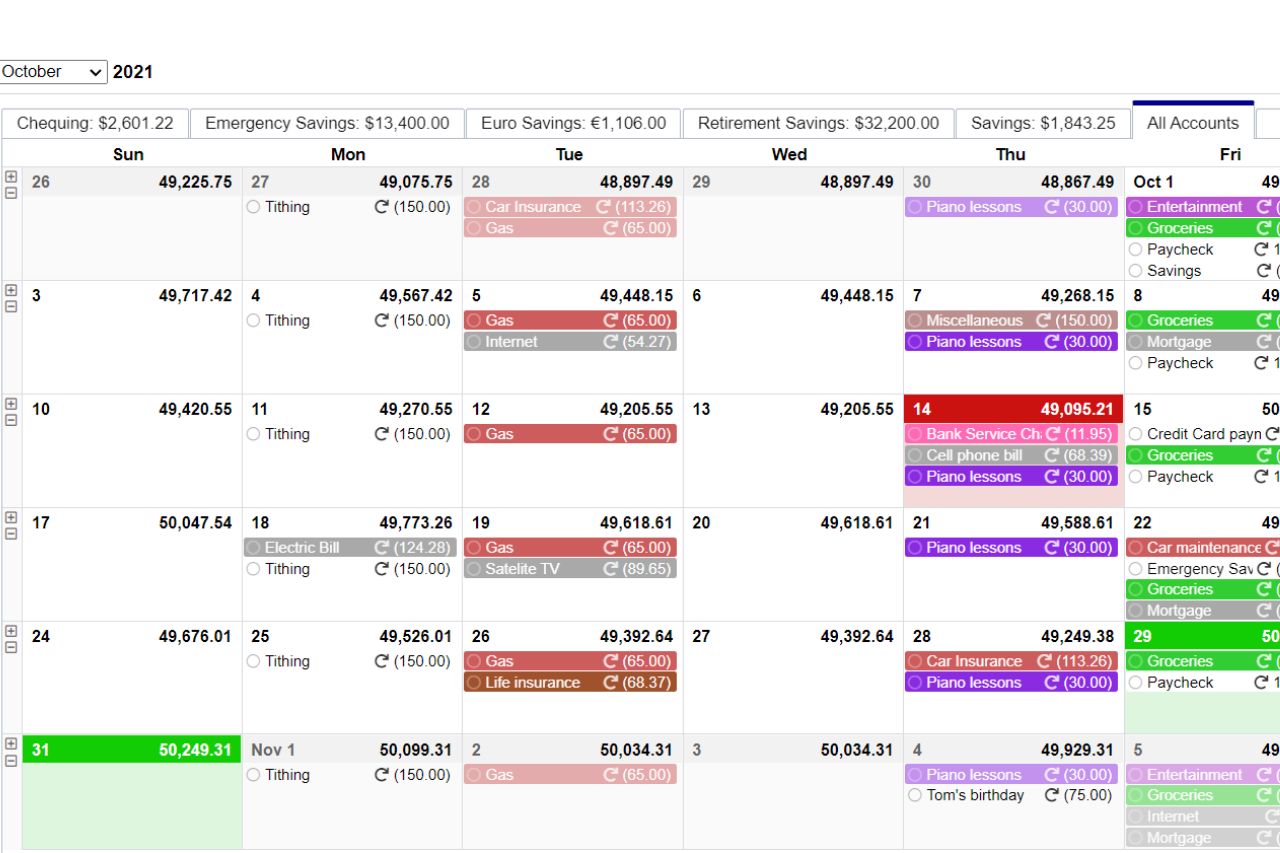
Implementing effective budgeting strategies is essential for anyone looking to manage their finances successfully. Popular techniques include the zero-based budgeting method, where every dollar is assigned a specific purpose, and the envelope system, which helps control spending by allocating cash for different categories.
For example, the zero-based budgeting method encourages individuals to account for every dollar they earn, ensuring that income and expenses are balanced. This approach can lead to increased savings and reduced unnecessary spending, making it a powerful tool for financial management.