Creating a Sustainable Budget Plan
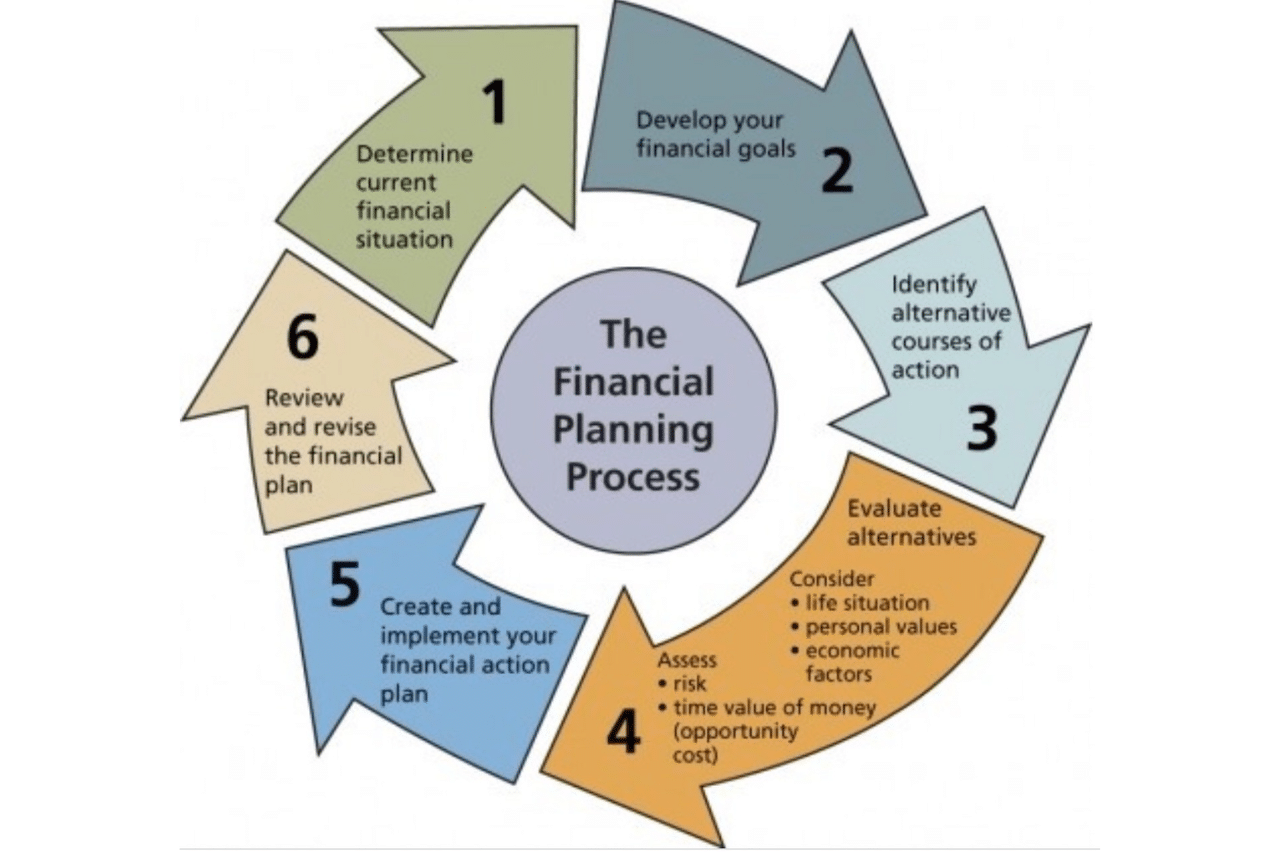
Developing a sustainable budget plan is essential for long-term financial health. A sustainable budget not only helps you manage your current expenses but also prepares you for future financial challenges. This involves assessing your income, prioritizing essential expenses, and setting aside savings for emergencies and future goals.
To create a sustainable budget, start by tracking your income and expenses for at least a month. Categorize your spending into fixed and variable expenses, and identify areas where you can cut back. For instance, if you notice excessive spending on dining out, consider cooking at home more often. Tools like CalendarBudget can assist in visualizing your spending patterns and adjusting your budget accordingly.
Emergency Funds: Why They Matter
An emergency fund is a crucial component of any financial plan, providing a safety net for unexpected expenses. Having an emergency fund can prevent you from going into debt when faced with unforeseen costs, such as medical emergencies or car repairs. Financial experts recommend saving at least three to six months' worth of living expenses in an easily accessible account.
Building an emergency fund can be achieved by setting aside a small percentage of your income each month. Start with a manageable goal, such as $500, and gradually increase it as your financial situation improves. Utilizing budgeting tools like CalendarBudget can help you allocate funds specifically for your emergency savings, ensuring you are prepared for life’s surprises.
Understanding Debt Management Strategies
Effective debt management is vital for maintaining financial stability and achieving long-term goals. Understanding various strategies, such as the snowball and avalanche methods, can help you pay off debts more efficiently. The snowball method focuses on paying off the smallest debts first, while the avalanche method prioritizes debts with the highest interest rates.
Incorporating a debt management strategy into your budgeting plan can significantly reduce financial stress. For example, if you choose the avalanche method, you can save money on interest payments over time. Additionally, using tools like CalendarBudget can help you track your debt repayment progress and adjust your budget to accommodate extra payments when possible.
Financial Literacy: Building Your Knowledge Base
Improving financial literacy is essential for making informed decisions about your money. Understanding key concepts such as budgeting, saving, investing, and credit can empower you to take control of your financial future. Resources such as books, online courses, and workshops can enhance your financial knowledge and skills.
To build your financial literacy, start by exploring topics relevant to your current financial situation. For instance, if you're new to budgeting, consider taking a course focused on budgeting techniques. Engaging with platforms like CalendarBudget can also provide practical experience in managing your finances, allowing you to apply what you learn in real-life scenarios.