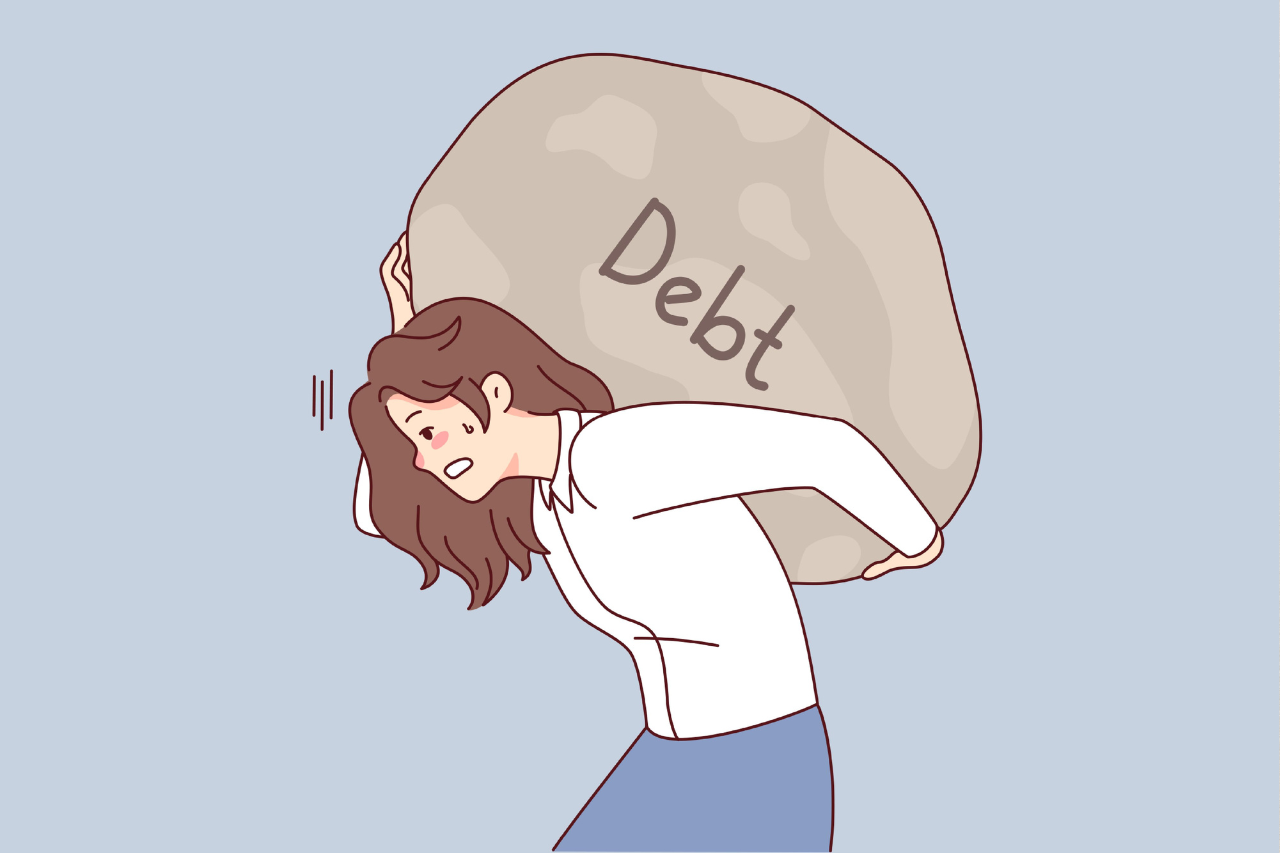
Effective Budgeting Strategies for Individuals
Implementing effective budgeting strategies is crucial for individuals seeking to manage their finances successfully. These strategies can range from the envelope system to zero-based budgeting, each tailored to different financial situations and goals.
For instance, the envelope system involves allocating cash for specific spending categories, which helps prevent overspending. On the other hand, zero-based budgeting requires every dollar to be assigned a purpose, ensuring that income minus expenses equals zero, thus promoting greater financial discipline.
Understanding the Importance of Emergency Funds
Establishing an emergency fund is a fundamental aspect of financial planning. This fund acts as a financial safety net, providing individuals with peace of mind during unexpected situations such as job loss or medical emergencies.
Experts recommend saving at least three to six months' worth of living expenses in an easily accessible account. This practice not only helps to cover unforeseen costs but also reduces reliance on credit cards, ultimately aiding in better debt management.
How to Track Your Spending Effectively
Tracking spending is vital for anyone aiming to stick to a budget. By monitoring daily expenses, individuals can identify spending patterns and areas where they can cut back, leading to more informed financial decisions.
Tools such as budgeting apps and spreadsheets can simplify this process. For instance, apps like Mint or YNAB (You Need A Budget) automatically categorize transactions and provide insights into spending habits, making it easier to adjust budgets accordingly.
Tips for Reducing Monthly Expenses
Reducing monthly expenses can significantly enhance one's financial situation. Simple adjustments in daily habits can lead to substantial savings over time, making it easier to allocate funds towards savings or debt repayment.
For example, reviewing subscription services and eliminating unused memberships can save money. Additionally, negotiating bills or switching to more affordable service providers can further cut costs, allowing individuals to stretch their budgets further.