Creating a Sustainable Budgeting Habit
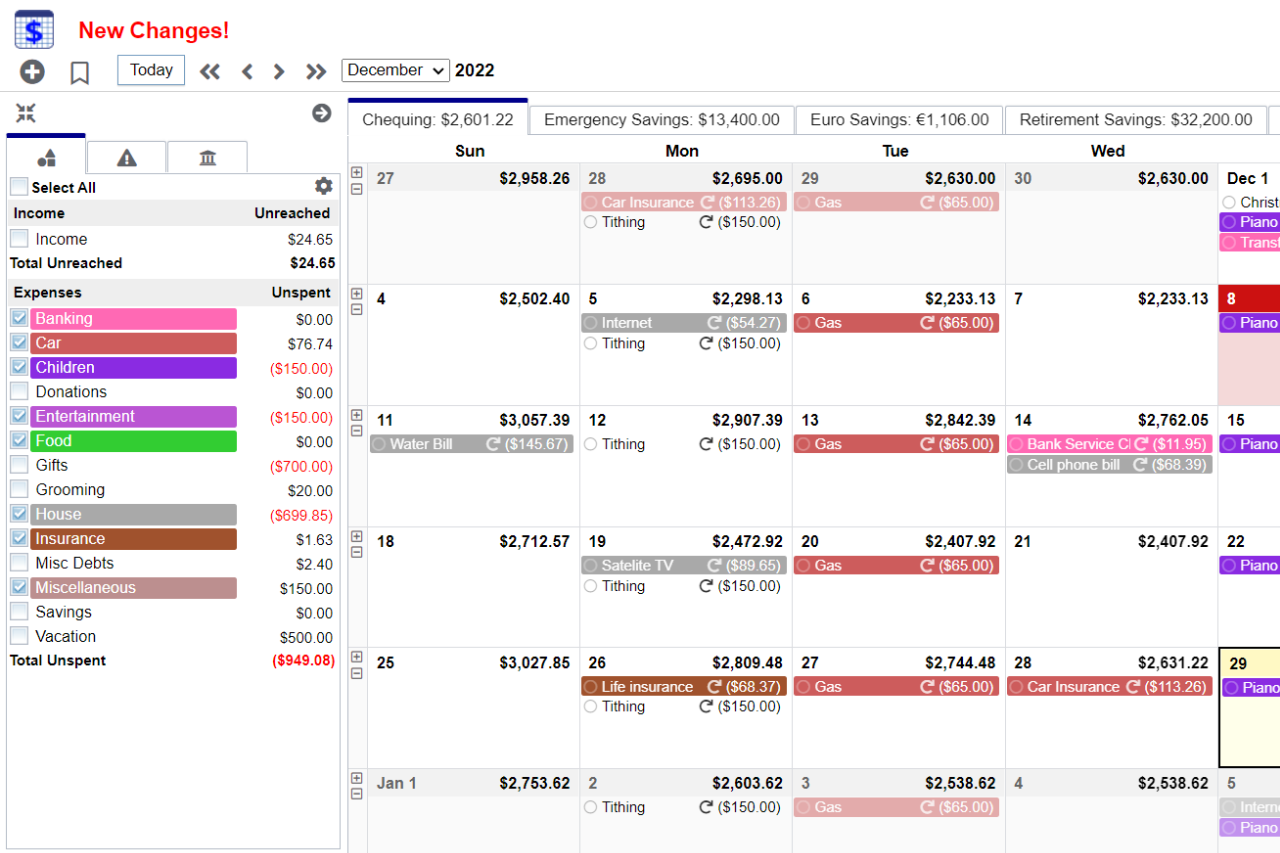
Establishing a sustainable budgeting habit is crucial for long-term financial health. This involves setting aside dedicated time each week or month to review and adjust your budget, ensuring it aligns with your current financial situation and goals. Consistency in this practice can lead to improved financial awareness and discipline.
For instance, using tools like budgeting apps can facilitate this process by providing reminders and visualizations of spending habits. By regularly checking in on your budget, you can make informed decisions about spending, saving, and investing, ultimately leading to better financial outcomes.
Understanding the Importance of Emergency Funds
An emergency fund serves as a financial safety net, providing peace of mind in times of unexpected expenses. It's recommended to save three to six months' worth of living expenses in a separate account to cover emergencies such as medical bills, car repairs, or job loss. This fund helps prevent reliance on credit cards or loans during difficult times.
To build an emergency fund, consider setting up automatic transfers to a high-yield savings account. This way, you can gradually accumulate savings without the temptation to spend. Additionally, regularly reviewing and adjusting the amount saved can help ensure that your emergency fund remains adequate for your needs.
Strategies for Effective Financial Goal Setting
Setting clear financial goals is essential for guiding your budgeting efforts and ensuring accountability. Whether your goals are short-term, like saving for a vacation, or long-term, such as retirement, having specific, measurable objectives can significantly enhance your financial planning process.
To create effective financial goals, apply the SMART criteria—Specific, Measurable, Achievable, Relevant, and Time-bound. For example, instead of a vague goal like "save money," a SMART goal would be "save $5,000 for a vacation by December 2024." This clarity helps maintain focus and motivation as you work towards achieving your financial aspirations.
Leveraging Technology for Better Budgeting
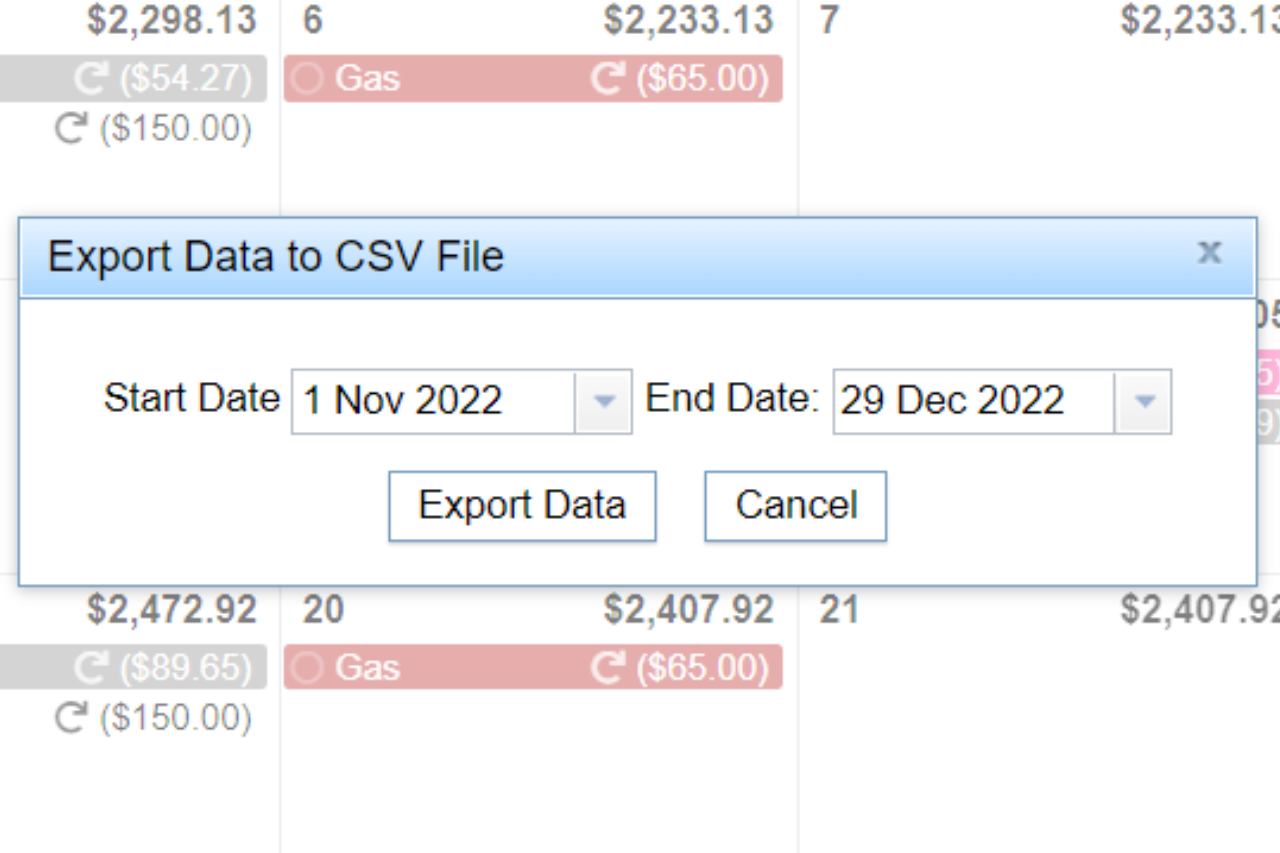
In today's digital age, technology plays a pivotal role in enhancing budgeting practices. Numerous apps and software solutions are available that can help track expenses, analyze spending patterns, and provide insights into financial habits. Utilizing these tools can simplify the budgeting process and make it more engaging.
For example, applications like Mint and YNAB offer features such as automatic transaction categorization and real-time budget tracking, allowing users to stay informed about their financial status. By leveraging technology, individuals can make more informed decisions, adjust their budgets on the fly, and ultimately achieve their financial goals more effectively.