Creating a Realistic Budget Plan
Establishing a realistic budget plan is crucial for effective financial management. It involves assessing your income, fixed expenses, and discretionary spending to create a balanced financial framework. By setting clear categories for spending, such as housing, transportation, and entertainment, you can allocate your resources more efficiently and avoid overspending.
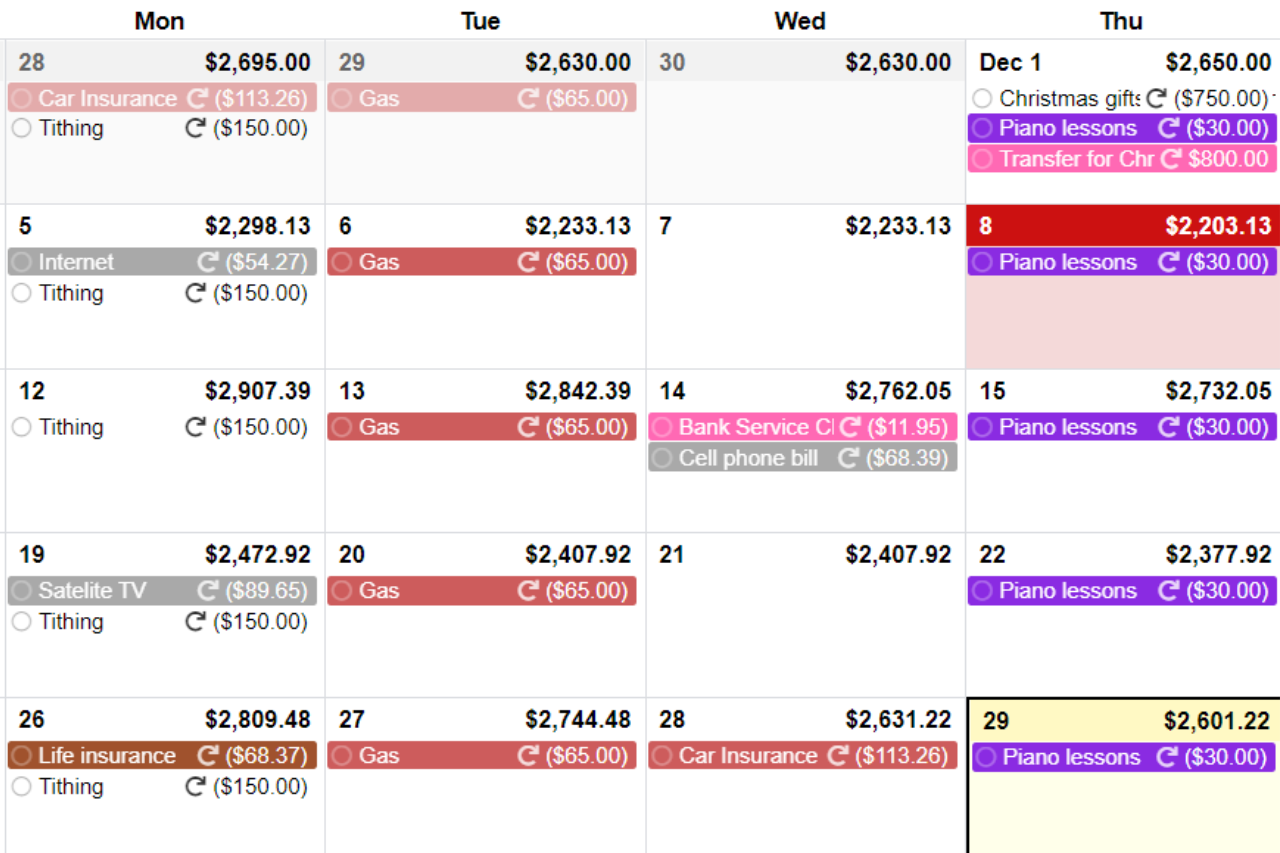
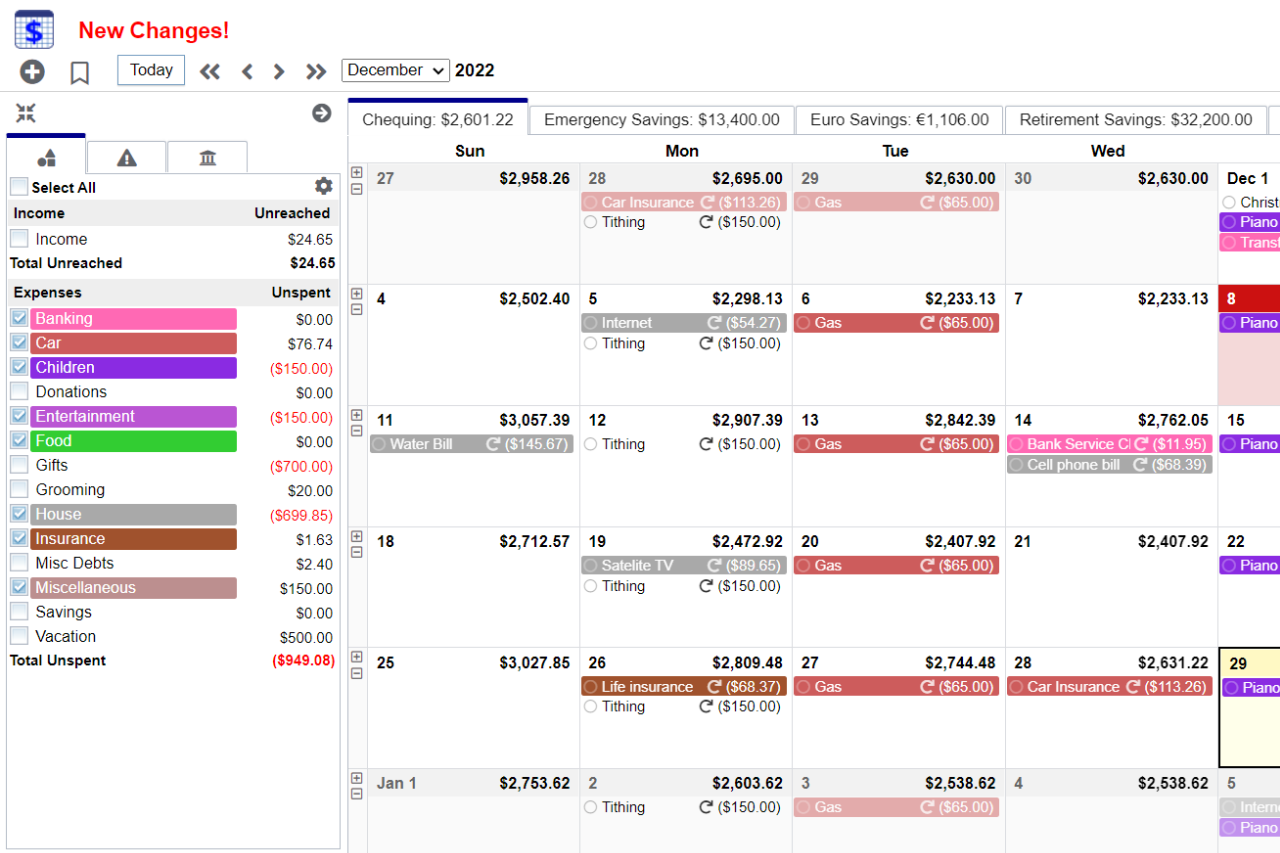
To create a successful budget plan, start by tracking your income and expenses for at least a month. Utilize budgeting tools like CalendarBudget to simplify this process. Once you have a clear picture of your financial situation, adjust your spending habits accordingly. For example, if you find that dining out frequently exceeds your budget, consider meal prepping at home to save money and stay within your limits.
Advanced Budgeting Techniques
Advanced budgeting techniques can help individuals take their financial management to the next level. These methods include zero-based budgeting, where every dollar is assigned a purpose, and the 50/30/20 rule, which allocates 50% of income to needs, 30% to wants, and 20% to savings. Implementing these strategies can lead to more effective control over finances and improved savings rates.
For instance, zero-based budgeting requires you to justify every expense, which can eliminate unnecessary spending. By regularly reviewing and adjusting your budget, you create a dynamic financial strategy that adapts to changes in income or expenses. Incorporating these advanced techniques can significantly enhance your budgeting outcomes and help you achieve long-term financial goals.
The Role of Financial Goals in Budgeting
Setting financial goals is a critical component of effective budgeting. Goals provide direction and motivation, whether they involve saving for a vacation, purchasing a home, or building an emergency fund. By defining short-term and long-term financial objectives, you can tailor your budgeting efforts to align with your aspirations.
For example, if your goal is to save for a down payment on a house, you might allocate a specific portion of your monthly budget to a savings account dedicated to that purpose. Tracking your progress toward these goals can keep you engaged and committed to your budget. Additionally, celebrating milestones along the way can reinforce positive financial habits and encourage continued dedication to your financial plan.
Common Budgeting Mistakes to Avoid
Avoiding common budgeting mistakes is essential for maintaining financial health. Many individuals struggle with underestimating expenses, neglecting to account for irregular costs, or failing to adjust their budgets as circumstances change. Recognizing these pitfalls can help you create a more accurate and effective budget.
For instance, overlooking annual expenses like insurance premiums or property taxes can lead to budget shortfalls. Regularly reviewing and updating your budget can mitigate this issue. Additionally, consider using budgeting software that can alert you to spending patterns and help you adjust your budget proactively. By being aware of these common mistakes, you can enhance your budgeting strategy and work towards achieving your financial goals more efficiently.