Top Personal Finance Software: Best Budgeting Apps for 2026
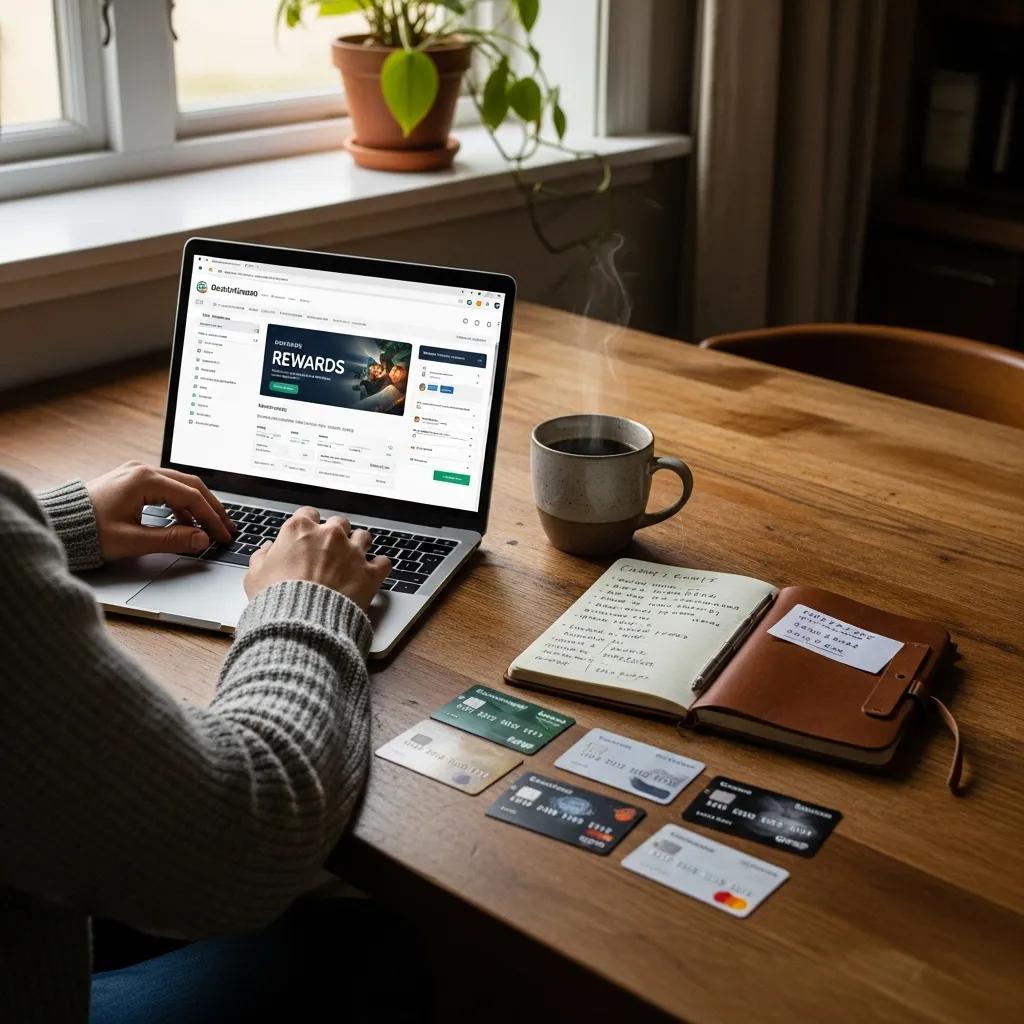
In today's digital age, leveraging technology can significantly enhance your budgeting experience. The right personal finance software can streamline your budgeting process, making it easier to track expenses, set financial goals, and analyze spending habits. Popular apps like Mint, YNAB (You Need A Budget), and PocketGuard offer user-friendly interfaces and robust features that cater to various budgeting needs.
These applications often include functionalities such as automatic transaction syncing, customizable budget categories, and detailed reporting tools. For instance, YNAB emphasizes proactive budgeting, encouraging users to allocate every dollar they earn, while Mint provides a comprehensive overview of all financial accounts in one place. By utilizing these tools, users can gain better insights into their financial health and make informed decisions that align with their goals.
All Debt is Bad? Unpacking Good Debt vs Bad Debt
Understanding the difference between good debt and bad debt is crucial for effective financial management. Good debt typically refers to loans that can lead to an increase in net worth or generate income, such as mortgages or student loans. In contrast, bad debt often involves high-interest loans that do not contribute to financial growth, like credit card debt used for non-essential purchases.
For example, while taking out a mortgage to buy a home is considered good debt because it can appreciate in value over time, accumulating credit card debt for luxury items can lead to financial strain. By recognizing the types of debt and their implications, individuals can make more strategic choices about borrowing and repayment, ultimately fostering a healthier financial future.
Mastering Impulse Control in an Instant Gratification World
In a society driven by instant gratification, mastering impulse control is essential for successful budgeting and financial stability. Impulse purchases can derail even the most well-planned budgets, leading to unnecessary debt and financial stress. To combat this, individuals can employ strategies such as the 24-hour rule, which encourages waiting a day before making non-essential purchases.
Additionally, setting clear financial goals and tracking progress can help reinforce discipline. For instance, creating a visual representation of savings goals or using budgeting apps to monitor spending habits can foster a sense of accountability. By implementing these techniques, individuals can cultivate better spending habits and prioritize long-term financial health over short-term desires.
Understanding the Importance of Budgeting for Financial Health
Budgeting is a fundamental skill that plays a pivotal role in achieving financial health and stability. By creating a budget, individuals can gain a clear understanding of their income, expenses, and financial goals. This process not only helps in tracking spending but also in identifying areas for improvement, allowing users to allocate resources more effectively.
Moreover, maintaining a budget can lead to improved savings habits and reduced financial stress. For example, setting aside a specific amount each month for emergencies or future investments can create a safety net that enhances overall financial security. Ultimately, budgeting empowers individuals to take control of their finances and work towards achieving their long-term financial aspirations.