

Master Your Budget on a Low Income
Managing money on a tight income can feel stressful, but small, steady steps make a big difference. This guide walks you through clear, practical strategies for handling finances when every dollar counts. You’ll learn how to track what you earn and spend, adopt frugal habits that stick, and build a safety net over time. We’ll also show how personal finance tools can simplify the process and highlight how CalendarBudget can help you plan around irregular pay and stay on track.
How do you effectively budget on a limited income?
Effective budgeting starts with a clear snapshot of your money and a simple plan. Track income and expenses so you can see where money flows, then set priorities that cover essentials first. A consistent routine—paired with easy tools—keeps you from scrambling and helps you make adjustments before small issues become big problems.
What are the key steps to track income and expenses accurately?
Follow these straightforward steps to keep accurate records:
- List every income source: Note all paychecks, benefits, and side work so nothing gets missed.
- Track expenses: Log fixed costs (rent, utilities) and variable spending (groceries, transport) so you know what’s flexible.
- Review on a schedule: Check your records weekly or monthly to spot trends and make small course corrections.
Keeping clear records makes it easier to set realistic limits and update your plan as life changes.
Setting Realistic Budget Categories and Limits
Once you have a clear picture of your income and expenses, the next crucial step is to categorize your spending and set realistic limits. This isn’t about deprivation, but about conscious allocation of your funds. Start by dividing your expenses into essential (housing, food, utilities, transportation, healthcare) and non-essential (entertainment, dining out, subscriptions). For each category, assign a maximum spending amount based on your income and priorities. Be honest with yourself about what you can afford. Tools like the 50/30/20 rule (50% needs, 30% wants, 20% savings/debt repayment) can be a good starting point, but adapt it to fit your specific low-income situation, perhaps adjusting to 70/20/10 or even 80/15/5 initially. The goal is to create a framework that guides your spending without feeling overly restrictive, allowing you to make informed choices.
How does visual forecasting help manage irregular income?
Visual forecasting turns unpredictable pay into a predictable plan. Use calendars, simple charts, or budgeting apps to map past income and expected bills so you can see busy and lean months ahead. That foresight helps you smooth spending, set aside funds for slow periods, and avoid last-minute scrambling.
What are practical frugal living tips to maximize your budget?

Frugal living is less about deprivation and more about choices that stretch your dollars further. Small adjustments—cutting waste, buying smarter, planning ahead—add up fast. Pair those habits with consistent saving to build a buffer for unexpected needs.
Which money-saving strategies work best for families?
Families can save without major lifestyle changes by trying these approaches:
- Budget together: Make financial goals a family conversation so everyone pitches in and understands priorities.
- Buy in bulk: Stock up on non-perishables and staples to lower per-unit costs.
- Use community resources: Tap local food programs, swaps, and free events to cut expenses and connect with help when needed.
These habits save money and build teamwork around shared goals.
How can meal planning and cost-cutting reduce household expenses?
Meal planning keeps food spending predictable and prevents waste. Try these habits:
- Plan a weekly menu: Base meals on what you already have and sales to avoid impulse buys.
- Stick to a shopping list: Lists help you avoid extras that add up quickly.
- Cook in batches: Make larger portions, freeze leftovers, and save both time and money.
Consistent meal planning trims the grocery bill and keeps your family eating well.
Smart Shopping Beyond Groceries
Frugality extends beyond the kitchen. When it comes to clothing, household items, and even entertainment, smart shopping can yield significant savings. Consider buying second-hand clothes from thrift stores or consignment shops, which often offer quality items at a fraction of the retail price. For household goods, explore dollar stores, discount retailers, or even online marketplaces for used items. Before making any purchase, ask yourself if it’s a need or a want, and if there’s a more affordable alternative. For entertainment, leverage free community events, library resources, or outdoor activities instead of costly outings. Small shifts in your shopping habits can free up substantial funds over time.
Reducing Transportation and Utility Costs
Transportation and utilities are often significant fixed costs that can be optimized. For transportation, evaluate if you can reduce reliance on a personal vehicle. Public transport, carpooling, biking, or walking can save on gas, maintenance, and insurance. If you must drive, group errands to minimize trips and ensure your vehicle is well-maintained for optimal fuel efficiency. For utilities, simple habits like unplugging electronics when not in use, using energy-efficient light bulbs, adjusting your thermostat by a few degrees, and taking shorter showers can lead to noticeable reductions in your monthly bills. Research local energy assistance programs if you’re struggling to keep up with utility payments.
How can you build financial security with limited resources?
Building security on a tight budget means setting achievable goals and protecting yourself from shocks. Start with a small emergency fund and grow it over time. Combine that with smart debt handling so you don’t get stuck paying more than you need to.
What are effective debt management and avoidance techniques?
Use these practical tactics to manage debt and avoid new burdens:
- Make a repayment plan: Rank debts by interest and target high-cost balances first to reduce long-term costs.
- Talk to creditors: Many lenders will work out payment plans or temporary relief if you ask.
- Limit new debt: Use credit sparingly and only when it’s necessary and affordable.
Following these steps helps you chip away at debt and keep future interest from growing out of control.
Exploring Additional Income Streams and Government Assistance
When your primary income is limited, exploring additional streams can significantly boost your financial security. Consider side gigs that leverage your skills, such as freelancing, pet-sitting, tutoring, or selling crafts online. Even a few extra hours a week can make a difference. Beyond earned income, research government assistance programs you might qualify for. These can include food assistance (SNAP), housing aid, energy assistance (LIHEAP), childcare subsidies, or unemployment benefits. Many local non-profits also offer support services. Don’t hesitate to seek out these resources; they are designed to provide a safety net and help individuals and families achieve greater stability.
Understanding and Utilizing Credit Wisely
While avoiding unnecessary debt is crucial, understanding and wisely utilizing credit can be a powerful tool for building financial security. A good credit score can unlock better rates on loans, lower insurance premiums, and even improve housing opportunities. Start by getting a secured credit card or a small credit-builder loan if you have no credit history. Make small purchases and pay them off in full and on time every month. Avoid carrying a balance, as interest charges can quickly negate any benefits. Regularly check your credit report for errors and monitor your score. Building positive credit responsibly demonstrates financial reliability and can open doors to better financial products in the future.
How do you set and track realistic savings goals?
Define clear, achievable savings targets—emergency fund, small goals, or something bigger—and track progress regularly. Use simple rules like saving a fixed amount each pay period, and revisit goals as your income or expenses change. Making goals concrete and visible keeps motivation steady.
How does a personal finance app enhance control over your budget?

A good finance app removes guesswork. It tracks transactions, highlights upcoming bills, and shows where your money goes—so you spend with intention instead of reacting to surprises. For people on limited incomes, that clarity is especially valuable.
What features make CalendarBudget ideal for low-income budgeting?
CalendarBudget includes tools designed for variable pay and tight budgets:
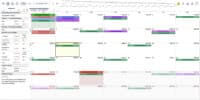
- Visual budgeting: See paydays, bills, and balances laid out clearly so you always know what’s coming.
- Income tracking: Log irregular income easily and plan around fluctuating pay.
- Goal setting: Create and monitor small savings goals to build momentum and confidence.
With CalendarBudget you can turn scattered income into a manageable plan and make smarter spending choices.
How can visual budgeting empower financial resourcefulness?
Visual budgeting gives you a quick, honest picture of your money—what’s due, what’s left, and where to cut back. That clarity helps you prioritize spending, avoid surprises, and find creative ways to stretch each dollar. Over time, those choices build real financial resilience.
Ready to Take Control of Your Finances?
CalendarBudget simplifies budgeting, especially with irregular income. See your money clearly and plan for a more secure future.
Beyond the Budget: Cultivating a Resilient Financial Mindset
Budgeting is more than just numbers; it’s about developing a mindset that fosters financial resilience and peace of mind. It involves patience, persistence, and a willingness to learn and adapt. Celebrate small victories, like sticking to your grocery budget for a week or making an extra debt payment. These positive reinforcements build confidence and motivation. Remember that setbacks are part of the journey; what matters is how you recover and adjust your plan. Cultivating a positive outlook on your financial journey can transform a daunting task into an empowering path toward stability and growth.
Staying Motivated and Adapting Your Plan
Financial circumstances are rarely static, especially on a limited income. Your budget should be a living document, not a rigid rulebook. Review it regularly—monthly or quarterly—to ensure it still aligns with your income, expenses, and goals. Life changes, such as a new job, unexpected expenses, or a shift in family needs, will require adjustments. Don’t be afraid to tweak categories, re-evaluate spending limits, or even revise your savings targets. Staying motivated means acknowledging progress, learning from challenges, and being flexible enough to adapt your plan as needed. Continuous learning about personal finance, seeking advice when necessary, and connecting with supportive communities can also provide invaluable encouragement on your journey to financial control.







Leave A Comment