

Recommended Debt Management Tools and Resources
Debt management is a crucial aspect of personal finance that can significantly impact an individual’s financial health. My favorite debt commercial effectively communicates the hopelessness that accopmanies ersonal finance trouble, especially when you don’t know what to do about it. This article will explore the key messages conveyed by debt awareness campaigns, the influence of debt commercials on financial literacy, and practical debt management strategies highlighted in these commercials. Additionally, we will discuss how budgeting can help reduce debt effectively and how tools like CalendarBudget can support users in managing their finances. By understanding these concepts, individuals can take proactive steps toward achieving financial stability and reducing their debt burden.
What Key Messages Do Debt Awareness Campaigns Convey?

Debt awareness campaigns aim to educate the public about the importance of managing debt responsibly. These campaigns often convey several key messages, including the significance of understanding one’s financial situation, the dangers of accumulating debt, and the benefits of seeking help when needed. By targeting various audiences, these campaigns strive to raise awareness about financial literacy and encourage individuals to take control of their financial futures. The impact of these campaigns can lead to improved financial habits and a greater understanding of debt management.
How Do Debt Commercials Influence Financial Literacy?
Debt commercials play a vital role in enhancing financial literacy by presenting relatable scenarios that resonate with viewers.
These commercials often highlight the consequences of poor financial decisions, encouraging individuals to reflect on their spending habits. By using engaging storytelling and relatable characters, debt commercials can effectively communicate complex financial concepts in an accessible manner. This approach not only educates viewers but also motivates them to seek out additional resources for improving their financial knowledge.
Indeed, studies underscore the critical need for financial education and literacy to empower individuals in managing their money effectively.
Financial Literacy & Debt Management: The Need for Education
The outcomes of the study show the necessity for financial education and financial literacy in South Africa. The respondents showed a lack of confidence in their money management skills and expressed a desire for more financial knowledge. It is possible that an increased level of financial literacy could lead to more entrepreneurial activity and a decrease in new venture failures.
Personal financial literacy and personal debt management: the potential relationship with new venture creation, AA Smit, 2008
Which Debt Management Strategies Are Highlighted in My Favorite Debt Commercial?
My favorite debt commercial emphasizes several effective debt management strategies that can help individuals regain control over their finances. Key strategies include:
- Creating a Debt Repayment Plan: Establishing a clear plan for repaying debts can help individuals prioritize their payments and stay organized.
- Consolidating Debts: Combining multiple debts into a single loan can simplify payments and potentially lower interest rates.
- Avoiding New Debt: Learning to resist the temptation of accumulating new debt is crucial for long-term financial health.
These strategies provide a solid foundation for individuals looking to improve their financial situation and reduce their debt.
How Can Budgeting Help Reduce Debt Effectively?
Budgeting is a powerful tool that can significantly aid in debt reduction. By creating a detailed budget, individuals can track their income and expenses, identify areas for savings, and allocate funds toward debt repayment. Effective budgeting strategies include prioritizing high-interest debts, utilizing the snowball method, and setting clear financial goals. These approaches not only help individuals manage their finances more effectively but also empower them to make informed decisions about their spending habits.
However, it’s important to note that actual repayment behaviors can sometimes deviate from financially optimal strategies, highlighting the complexities of debt management.
Optimal Debt Repayment Strategies & Financial Literacy
The findings revealed that the participants displayed repayment behaviors consistent with DAA, which deviates from the financially optimal strategy by prioritizing small debts over those with higher interest rates or larger balances.
Why Financial Literacy Matters for Dental Students: Reducing Debt Account Aversion to Improve Debt Management, J Ihm, 2026
How to Create a Budget That Prevents Debt Accumulation?
Creating a budget that prevents debt accumulation involves several practical steps:
- Calculate Total Income: Determine your total monthly income from all sources to understand your financial capacity.
- List Fixed and Variable Expenses: Identify all monthly expenses, including rent, utilities, groceries, and discretionary spending.
- Set Clear Financial Goals: Establish specific savings and debt repayment goals to guide your budgeting efforts.
By following these steps, individuals can create a budget that promotes financial stability and reduces the likelihood of accumulating debt.
Which Budgeting Methods Align With Debt Reduction Goals?
Several budgeting methods can effectively support debt reduction goals:
- 50/30/20 Rule: Allocate 50% of income to needs, 30% to wants, and 20% to savings and debt repayment.
- Zero-Based Budgeting: Assign every dollar of income to specific expenses, ensuring that income minus expenses equals zero.
- Envelope System: Use cash envelopes for different spending categories to limit overspending.
Research further supports the effectiveness of various structured budgeting approaches in managing personal finances.
Effective Budgeting Methods for Personal Finance
Popular methods include the 50/30/20 rule, envelope system, and zerobased budgeting, which offer structured approaches to managing finances. The ability to flexibly adjust financial plans increases budgeting effectiveness in the long term.
Budgeting Practices and Personal Financial Management: A Mixed-Methods Study among Accounting Students, DI Akbar, 2024
These methods provide structured approaches to budgeting that can help individuals stay on track with their financial goals.
How Does CalendarBudget Support Users in Managing Debt?
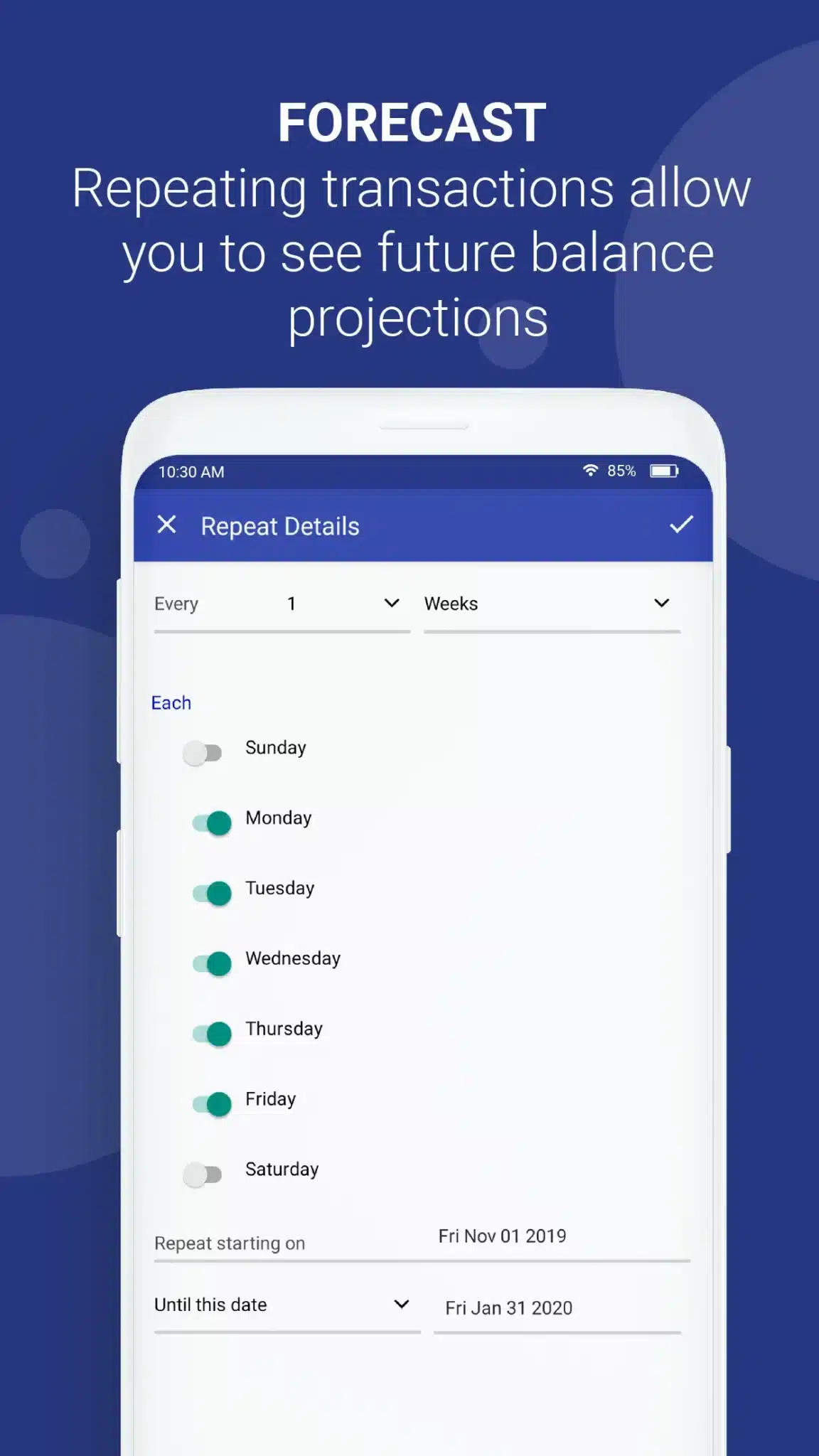
CalendarBudget is a valuable tool that aids users in managing their debt effectively. By offering a visual budgeting calendar, users can easily track their expenses and income, making it simpler to identify spending patterns. Additionally, CalendarBudget allows for customizable budget categories, enabling users to tailor their budgeting experience to their unique financial situations. This flexibility can enhance users’ ability to manage their debt and achieve their financial goals.
What Features of CalendarBudget Aid Personal Budgeting?
CalendarBudget offers several features that assist users in personal budgeting:
- Calendar-Based Visualization: Users can view their financial activities on a calendar, making it easier to plan and manage expenses.
- Real-Time Monitoring: The platform provides real-time updates on spending, helping users stay informed about their financial status.
- Goal Setting: Users can set financial goals within the platform, promoting accountability and motivation.
These features make CalendarBudget a powerful ally in the journey toward effective personal budgeting and debt management.
How Can CalendarBudget Improve Financial Awareness Through Debt Tracking?
CalendarBudget enhances financial awareness by providing tools for effective debt tracking. The visual calendar interface allows users to see their financial commitments at a glance, making it easier to manage payments and avoid late fees. Additionally, the platform offers educational resources that help users understand the implications of their financial decisions. By promoting awareness and understanding, CalendarBudget empowers users to take control of their financial futures.
What Are Practical Personal Budgeting Tips Inspired by Debt Commercials?
Debt commercials often inspire practical budgeting tips that can help individuals manage their finances more effectively. Some key tips include:
- Calculate Total Income: Understanding your income is essential for creating a realistic budget.
- Track Spending Consistently: Regularly monitoring expenses can help identify areas for improvement.
- Create an Emergency Fund: Setting aside savings for unexpected expenses can prevent reliance on credit.
These tips provide actionable steps that individuals can take to improve their financial health and reduce their debt.
Where to Find Reliable Information on Debt and Budgeting?
Finding reliable information on debt and budgeting is crucial for making informed financial decisions. Some valuable resources include:
- Online Courses and Webinars: Many organizations offer free or low-cost educational resources on personal finance.
- Community Programs: Local community centers often provide workshops and support groups focused on financial literacy.
- Financial Tools and Apps: Various apps can help users track their spending and manage their budgets effectively.
These resources can enhance individuals’ understanding of debt management and budgeting strategies.
How Do Financial Education Platforms Enhance Debt Management Skills?
Financial education platforms play a significant role in enhancing debt management skills by providing access to valuable resources and support. These platforms often offer:
- Educational Resources: Comprehensive materials that cover various aspects of personal finance and debt management.
- Actionable Strategies: Practical tips and techniques that individuals can implement in their financial lives.
- Community Support: Forums and groups where users can share experiences and seek advice from others facing similar challenges.
By leveraging these resources, individuals can improve their financial literacy and develop effective debt management skills.








Leave A Comment