

Wants vs. Needs: Prioritize Spending to Reach Your Money Goals
Telling wants and needs apart is one of the simplest yet most powerful ways to reduce money stress and achieve financial stability. When everyday essentials get mixed up with discretionary spending, bills pile up, savings dwindle, and planning for the future becomes significantly harder. This article walks through what truly counts as a need versus a want, explores how each category affects your budget, and provides practical steps to put essentials first. You’ll also see how intuitive tools like CalendarBudget can make it easier to plan, visualize, and stick to those crucial financial priorities, transforming your relationship with money.
What counts as a financial need — and why it matters
Financial needs are the absolute essential expenses you cannot skip without jeopardizing your basic living standard, health, or safety. They form the backbone of any sustainable budget because covering them first prevents crises, ensures your well-being, and keeps your day-to-day life steady. Recognizing your core needs helps you build a budget that is not only realistic but also resilient, providing a solid foundation for all other financial aspirations.
Which expenses qualify as basic financial needs?

Basic financial needs usually include:
- Housing: Monthly rent or mortgage payments are fundamental, providing shelter and stability. Without a secure place to live, all other aspects of life become significantly more challenging, impacting safety, health, and overall well-being.
- Food: Grocery essentials and nutrition are non-negotiable for maintaining health and energy. This includes basic ingredients for meals, ensuring you and your family have the sustenance needed to function daily. Dining out, while enjoyable, typically falls into the ‘want’ category.
- Utilities: Electricity, water, heating, and other essential services like internet (for work, education, and communication) are crucial for modern living. These services ensure a safe, functional, and connected home environment.
- Healthcare: Insurance, prescriptions, and essential medical care are vital to protect your physical and mental health. Neglecting these can lead to severe financial burdens and compromised well-being in the long run.
- Transportation: Costs to get to work, school, or necessary appointments are often needs, especially if public transport isn’t viable or available. This could include car payments, fuel, maintenance, or public transit passes, ensuring you can meet your obligations and access essential services.
These items should be first in line when you assign your money — they’re the ones you can’t afford to overlook, as failing to cover them can have immediate and severe consequences on your quality of life and financial health.
How do needs shape your budget and stability?
When you consistently put needs at the top of your budget, you create a robust financial base that is better equipped to absorb unexpected shocks, such as job loss or medical emergencies. Skipping essentials or underfunding them often leads to accumulating debt, missed payments, damaged credit scores, and significant emotional stress. Prioritizing needs helps you stay resilient, maintain peace of mind, and focus on longer-term goals without constantly scrambling to cover the basics. It’s the foundation upon which all other financial aspirations are built.
How to tell wants from needs
Wants are the extras that make life more enjoyable, comfortable, or convenient but aren’t strictly required to get by. Separating wants from needs gives you clearer choices about where to cut back or splurge, ensuring your money supports the life you actually need first, and then the life you desire. This distinction empowers you to make intentional spending decisions rather than reactive ones.
Common examples of wants in personal finance
Typical wants include:
- Entertainment: Eating out frequently, subscriptions to multiple streaming services, attending concerts, going to the movies, or other leisure activities that provide enjoyment but aren’t essential for survival.
- Luxury items: Designer clothes, premium gadgets (when a standard version would suffice), high-end electronics, or deluxe versions of things you could easily live without. These items often provide status or enhanced comfort but aren’t fundamental.
- Travel: Vacations, weekend getaways, and international trips are wonderful for recharge and experience but are not required for daily life. While beneficial for mental well-being, they are discretionary expenses.
Spotting these wants makes it significantly easier to trim or postpone purchases when money is tight, and to plan for them strategically when your essential needs are securely met and you have extra funds available.
Navigating the Gray Areas: When Wants and Needs Overlap
While the distinction between wants and needs often seems clear-cut, life isn’t always black and white. The context of your life can shift an item from a want to a need, or vice versa. For instance, a car might be a want for someone living in a city with excellent public transportation, but it becomes a critical need for someone commuting long distances to a job without other viable options. Similarly, a smartphone might be a luxury for basic communication, but it’s a necessity for someone whose job requires constant connectivity or who relies on it for essential services like banking and healthcare appointments. Recognizing these nuances requires honest self-assessment and an understanding of your unique circumstances, allowing for a more flexible yet disciplined approach to budgeting.
When does a want feel like a need? The psychology behind it
Marketing, social pressure, and ingrained habits are powerful forces that can blur the lines, making wants feel incredibly urgent or even necessary. Aggressive advertising campaigns often create a false sense of immediacy, suggesting that you’ll miss out if you don’t acquire the newest gadget or trend right away. Peer comparison, fueled by social media, can also lead to a desire to keep up with others, transforming discretionary items into perceived essentials. Furthermore, habits formed over time, like a daily coffee shop visit or frequent online shopping, can become so routine that they feel indispensable. Noticing these psychological triggers and understanding their influence gives you the crucial space to pause, reflect, and consciously decide whether a purchase genuinely aligns with your core priorities and financial goals, rather than succumbing to external pressures.
How to prioritize spending and avoid impulse buys
Implementing simple systems and mindful habits can significantly help you stick to your financial priorities and cut down on impulse purchases. A clear plan makes it easier to say yes to what truly matters and confidently say no to what doesn’t, leading to greater financial control and less regret.
How the 50/30/20 rule guides budget allocation for needs, wants, and savings
The 50/30/20 rule offers a straightforward and widely adopted framework for allocating your after-tax income:
- 50% of income for needs (housing, food, utilities, transportation, essential healthcare). This ensures your foundational expenses are always covered.
- 30% for wants (entertainment, dining out, nonessential purchases, hobbies). This allows room for enjoyment and personal enrichment without compromising essentials.
- 20% for savings and debt repayment (emergency fund, retirement contributions, paying down high-interest debt). This builds your financial security and moves you towards long-term goals.
This framework keeps essentials covered while reserving room to enjoy life and build financial security, providing a balanced approach that is both practical and sustainable for many individuals and families.
Techniques to curb impulse buying and spend more mindfully

Try these practical habits to reduce impulse spending and cultivate more mindful purchasing behaviors:
- Create a shopping list and stick to it: Planning purchases ahead of time ensures you acquire only what’s truly needed, preventing spontaneous additions to your cart. This applies to groceries, household items, and even larger purchases.
- Set clear spending limits for discretionary costs: Assigning a monthly cap for wants helps you stay within your budget and makes you more conscious of each purchase. Consider using cash for these categories to make spending more tangible.
- Implement a waiting period for nonessential buys: The “24-hour rule” (or even longer for bigger items) allows you to cool off from the initial excitement of a potential purchase. Often, the urge to buy fades, or you realize the item isn’t as essential as it first seemed.
- Track your spending diligently: Using a budgeting app or a simple spreadsheet to log every expense helps you see exactly where your money is going. This awareness is a powerful tool against unconscious impulse spending.
- Identify your triggers: Understand what situations or emotions lead you to impulse buy. Is it stress, boredom, or social media influence? Once you know your triggers, you can develop strategies to avoid or manage them.
These small, consistent habits add up significantly, helping you stick to your budget, make smarter choices with less friction, and ultimately gain greater control over your financial future.
How CalendarBudget helps you balance wants and needs
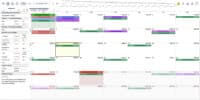
CalendarBudget is specifically built to make those critical trade-offs visible and manageable. The app’s intuitive visual planner shows your income, upcoming bills, and financial goals in one clear interface, allowing you to assign money where it matters most and immediately see how your spending decisions affect your cash flow and future balances.
How visual money planning forecasts the impact of big purchases
Seeing future balances and scheduled expenses laid out visually helps you test “what if” scenarios with ease. Before committing to a large purchase, you can quickly check how it changes your timeline for covering essential bills, contributing to savings, or reaching other financial milestones. This foresight ensures that big purchases don’t inadvertently derail your ability to cover your essentials or achieve your long-term objectives.
How CalendarBudget builds confidence in your spending choices
By tracking all your expenses, income, and goals in one transparent and accessible place, CalendarBudget removes much of the uncertainty and anxiety often associated with managing money. When your financial plan is visible and easy to understand, you’re less anxious about spending on wants and more confident that each purchase, whether a need or a want, fits within your overall priorities and moves you closer to your financial aspirations.
Conclusion
Understanding the fundamental difference between wants and needs is not just a budgeting tip; it’s an essential skill for achieving lasting financial stability and peace of mind. By consistently prioritizing your essential expenses, you can significantly reduce financial stress, build a strong economic foundation, and make informed spending decisions that truly align with your personal and long-term money goals. Utilizing powerful and intuitive tools like CalendarBudget can further enhance your financial planning, helping you visualize your priorities, forecast future impacts, and build unwavering confidence in your spending choices. Start taking control of your finances today by exploring our resources and implementing these tips for smarter, more intentional spending.







Leave A Comment