

Foreign Travel Payback Entitlement: A practical guide to managing and claiming international travel expenses
Trying to navigate foreign travel payback entitlement can feel overwhelming for both employees and employers. This guide breaks down what the entitlement means, who typically qualifies, and practical steps for managing and claiming international travel costs. You’ll get clear explanations of per diem rates, tax considerations, and reliable tracking methods so employees get reimbursed accurately and on time.
What Is Foreign Travel Payback Entitlement and Who Qualifies?
Foreign travel payback entitlement is an employer’s reimbursement policy for work done outside an employee’s home country. Its purpose is straightforward: make sure employees aren’t left covering business expenses while traveling on company time.
What foreign travel payback entitlement covers
This entitlement commonly covers airfare, lodging, meals, and other necessary costs incurred on international business trips. Employers may reimburse full airfare and provide a daily meal allowance or per diem to help offset day-to-day expenses, so employees can focus on the work rather than out-of-pocket costs.
Who is typically eligible for reimbursement?
Eligibility usually includes full-time employees required to travel for business and, depending on company rules, may extend to part-time staff or contractors. Common conditions include prior approval, staying within budget limits, and submitting valid receipts and expense reports—so it’s important to know your employer’s specific policy.
Essential Filing Resources for Your Foreign Currency Fee Refund
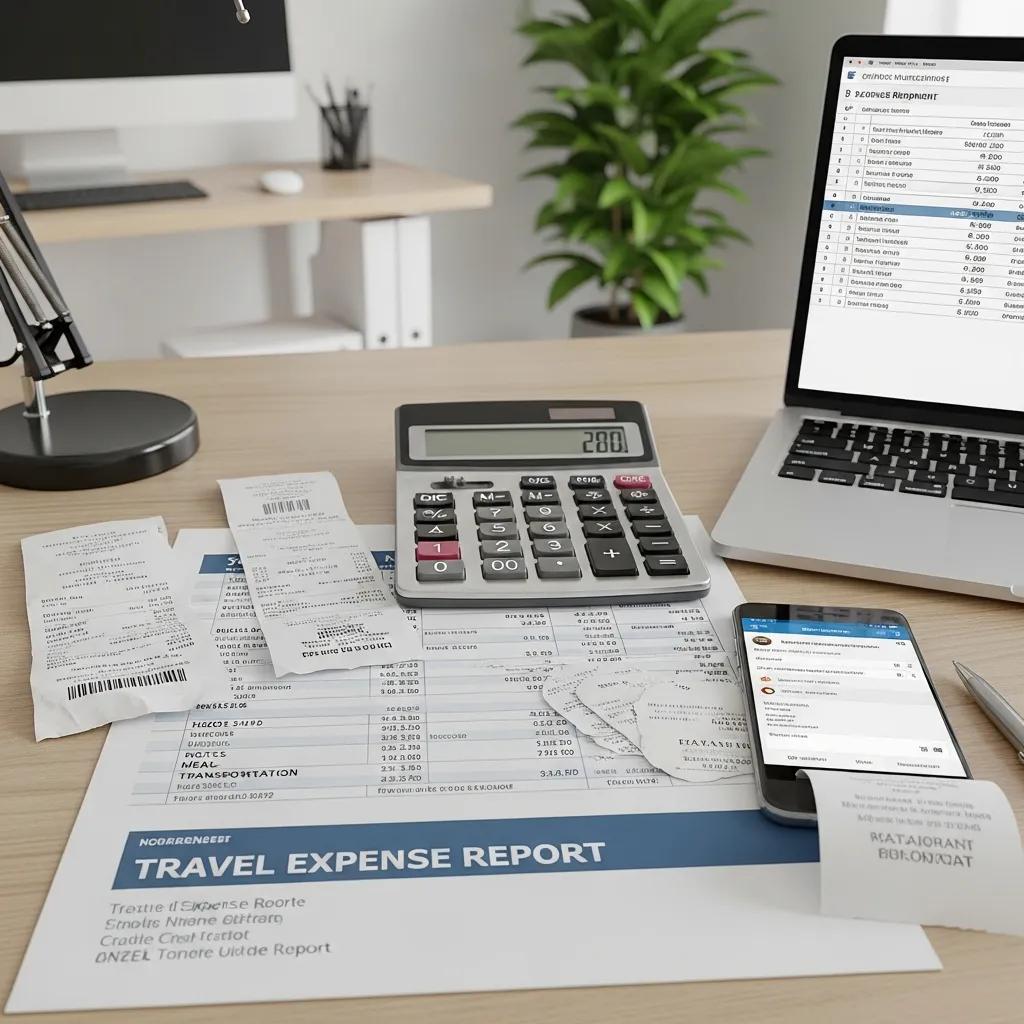
International per diem rates directly influence how much you can claim for daily expenses abroad. These standardized rates vary by country and city, reflecting local costs for lodging, meals, and incidentals.
What goes into per diem rates
Per diem typically breaks down into lodging, meals, and incidental expenses. A trip to a high-cost city will usually come with a higher per diem than a visit to a less expensive location, so knowing each component helps you plan and set expectations for reimbursement.
Where to find official per diem rates and how they differ by location
Official per diem schedules are available from government sites and financial resources and are updated regularly to match cost-of-living changes. For example, the U.S. General Services Administration (GSA) publishes comprehensive per diem rates—check those and similar resources to confirm the correct amounts for your destination.
What Are the Tax Implications and Deductions for Business Travel Abroad?
Tax treatment of foreign travel expenses matters for both employees and employers. Understanding the rules helps ensure reimbursements are handled correctly and that deductible expenses are properly documented.
IRS rules on deducting foreign travel expenses
Under IRS guidance, business travel expenses—like transportation, lodging, and meals—are generally deductible when they’re ordinary, necessary, and directly tied to work. Accurate records (receipts, itineraries, and business purpose) are essential to back up claims during tax time.
How accountable plans affect the tax treatment of reimbursements
Accountable plans let employers reimburse business expenses without treating the payments as taxable income. To qualify, employees must substantiate expenses and return any excess reimbursement. That setup simplifies tax reporting and encourages careful record-keeping.
How Can You Effectively Track and Claim Foreign Work Travel Expenses?

Consistent tracking and a clear submission process make reimbursements faster and reduce errors. A simple, repeatable approach saves time for both employees and finance teams.
Step-by-step guide to documenting and submitting travel expense claims
- Keep Detailed Records: Log every expense during the trip and keep receipts for flights, hotels, meals, and incidentals. Note dates and the business purpose for each cost.
- Use Expense Tracking Tools: Use budgeting or expense apps to categorize expenses and capture receipts in real time—this keeps reports accurate and audit-ready.
- Submit Claims Promptly: Follow your company’s deadlines and submission process. Turning in claims quickly helps avoid lost receipts and delays in reimbursement.
Using budgeting tools like CalendarBudget to manage foreign travel costs
Tools such as CalendarBudget make it easier to visualize spending, forecast trip costs, and organize receipts for reimbursement. By categorizing expenses and spotting trends, these tools help you stay within budget and simplify the reporting process when it’s time to claim payback.








Leave A Comment