
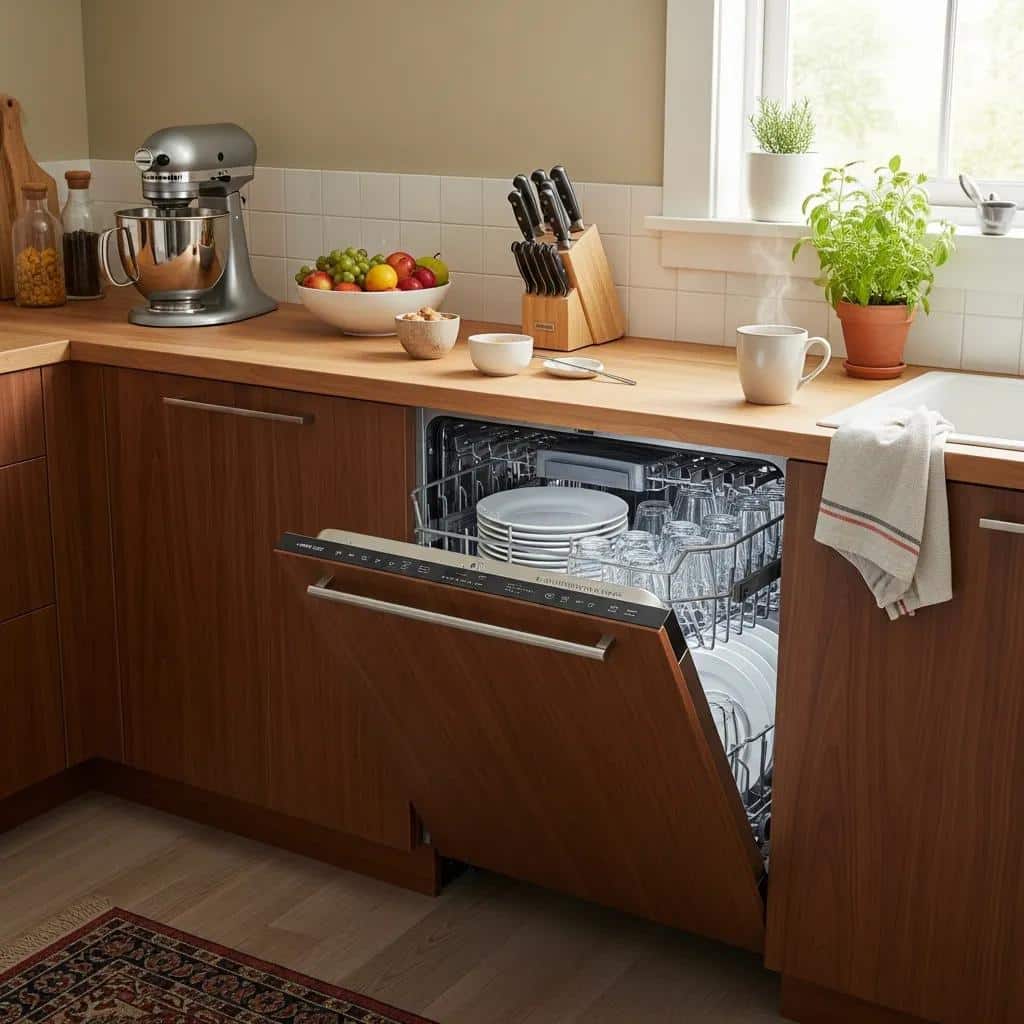
Dishwasher Budget: Plan and Save for a Modern, Hassle-Free Kitchen
A new dishwasher makes daily life easier and keeps your kitchen cleaner. To avoid surprises, you need a simple, realistic budget. This guide breaks down the real costs, helps you decide whether to repair or replace your current unit, and explains energy-smart choices that lower bills over time. We’ll also show how CalendarBudget can help you save, track progress, and buy with confidence.
What Are the Total Costs Involved in Buying a New Dishwasher?
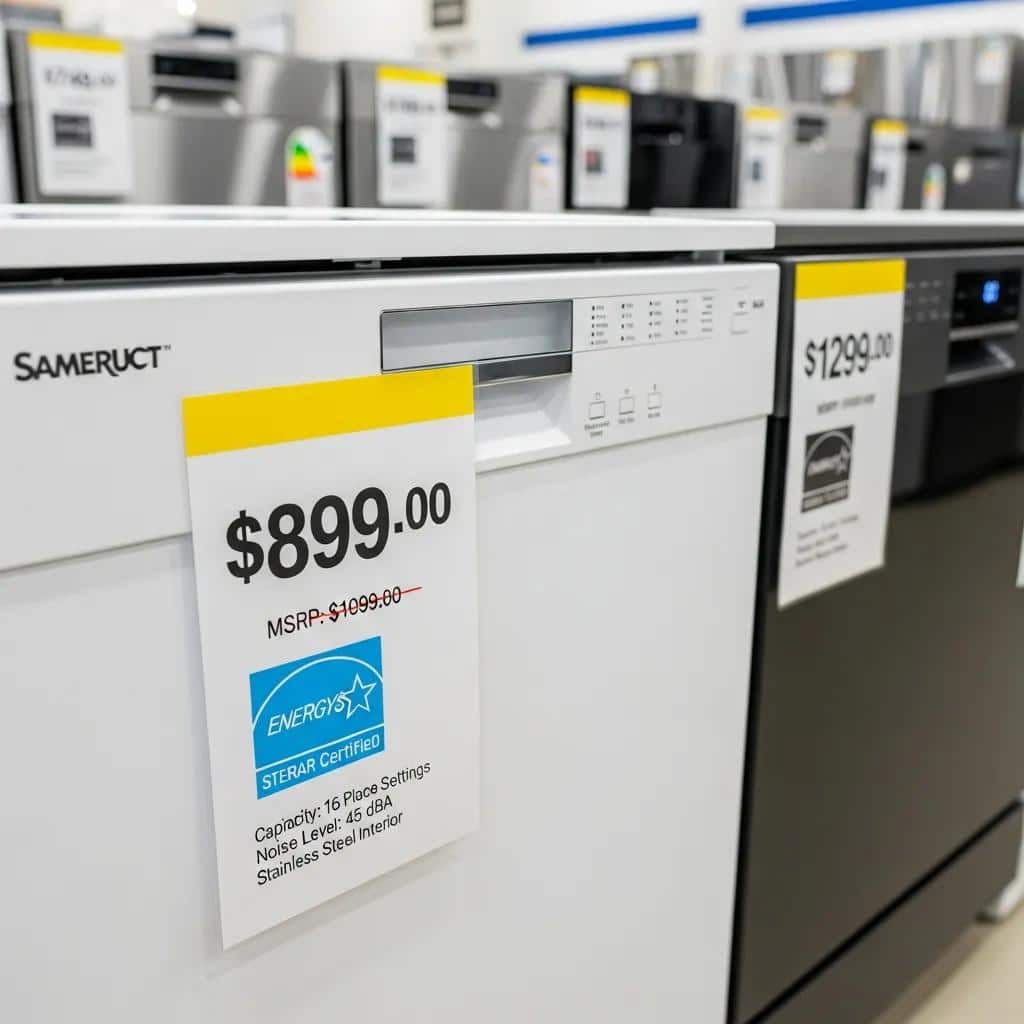
When you budget for a dishwasher, include the purchase price, installation, and ongoing operating costs. Below is a clear breakdown to help you set a realistic savings target.
How Much Does a New Dishwasher Cost in 2026?
In 2026, expect to pay roughly $400 to $1,200 for a new dishwasher. Basic models start around $400; higher-end or feature-rich units can exceed $1,200. Brand, energy ratings, and smart features are the primary price drivers.
What Are the Typical Dishwasher Installation Costs?
Installation typically runs between $150 and $300. Professional installation costs more when plumbing or electrical work is required. If you’re comfortable with DIY and have the right tools, you can save money—just be sure you know what you’re doing to avoid costly mistakes.
Keeping these numbers in mind helps you set a clear savings goal and avoid surprises when it’s time to buy.
When Should You Repair or Replace Your Dishwasher?
Deciding whether to repair or replace isn’t always straightforward. This section lays out practical signs to help you choose the most cost-effective option.
How to Assess Your Dishwasher’s Age and Condition for Budget Decisions
Check the unit’s age and how often it needs repairs. Most dishwashers last about 9–12 years. If yours is near the end of that range or requires frequent fixes, a new unit may save you money and hassle. Inspect major components like the motor and control panel—those failures can be expensive to repair.
What Are the Financial Benefits of Repairing vs. Replacing?
Repair can be a smart short-term fix, but if repairs approach or exceed roughly 50% of a new unit’s cost, replacement usually makes more sense. New dishwashers are often more energy- and water-efficient, which lowers utility bills over the appliance’s lifetime.
How Can Energy Efficiency and Smart Features Save You Money?

More efficient dishwashers reduce both water and electricity use. Below are the main ways modern features can deliver payback over time.
What Savings Do ENERGY STAR Dishwashers Offer?
ENERGY STAR dishwashers use about 12% less energy and about 30% less water than standard models. That generally translates to roughly $20–$40 saved per year on utility bills—real savings that add up over the life of the appliance.
Are Smart Dishwasher Features Worth the Investment?
Smart features like remote monitoring and custom cycles add convenience and can improve efficiency. They usually raise the upfront price, but for many households the energy and water savings—plus the time you save—justify the extra cost.
How to Budget Effectively for Your Dishwasher Upgrade Using CalendarBudget
CalendarBudget makes saving for an appliance straightforward. Use it to set targets, track progress, and keep your purchase on schedule.
How to Set a Savings Goal for Your Dishwasher Purchase with CalendarBudget
Start with the total you’ll need: appliance price plus installation. Divide that by the months until you want to buy to get a monthly savings target. Add that goal to CalendarBudget so you can watch progress and adjust if anything changes.
How to Track and Forecast Appliance Expenses for Financial Clarity
Create categories in CalendarBudget for appliance costs and ongoing maintenance. Track actual spending and forecast upcoming expenses so replacement parts or unexpected installs don’t catch you off guard. Regular updates give you a clearer picture and help you stay on track.
Follow these steps and use CalendarBudget to plan and save—so your dishwasher upgrade is smooth, predictable, and affordable.
Frequently Asked Questions
What factors should I consider when choosing a dishwasher model?
Think about size and capacity to match your household, energy efficiency (look for ENERGY STAR), noise level, and useful features like adjustable racks or soil sensors. Smart features can be great for convenience, but a reliable basic model often delivers the best value.
How can I find the best deals on dishwashers?
Compare prices across online retailers and local stores, sign up for retailer newsletters to catch sales, and shop during holiday promotions or clearance events. Also check manufacturer rebates for energy-efficient models to get the best overall value.
What maintenance tips can extend the life of my dishwasher?
Clean the filter and spray arms regularly, run an occasional vinegar cycle to remove buildup, keep door seals clean, and avoid overloading. Use the recommended detergent and follow the manufacturer’s care instructions to keep the machine running longer.
Are there any financing options available for purchasing a dishwasher?
Many retailers offer financing plans or promotional low-interest deals. You can also consider a personal loan or a credit card with favorable terms. Always read the fine print so you understand interest, fees, and payment schedules before committing.
What are the environmental benefits of choosing an energy-efficient dishwasher?
Energy-efficient dishwashers use less water and electricity, which reduces greenhouse gas emissions and conserves resources. They often last longer too, which cuts down on waste. Choosing a certified model is an easy way to lower your household’s environmental impact.
How do I know if my dishwasher is still under warranty?
Check your purchase receipt or the paperwork that came with the appliance—warranties typically run from one to five years depending on the brand. You can also look up your model number on the manufacturer’s website or call customer service for exact warranty details.








Leave A Comment