Effective Strategies for Budgeting
Implementing effective budgeting strategies is essential for achieving financial stability and reaching personal financial goals. Users can adopt various methods such as zero-based budgeting, where every dollar is allocated to specific expenses, savings, or debt repayment, ensuring that income is fully utilized. This approach encourages mindfulness about spending and helps users prioritize their financial commitments.
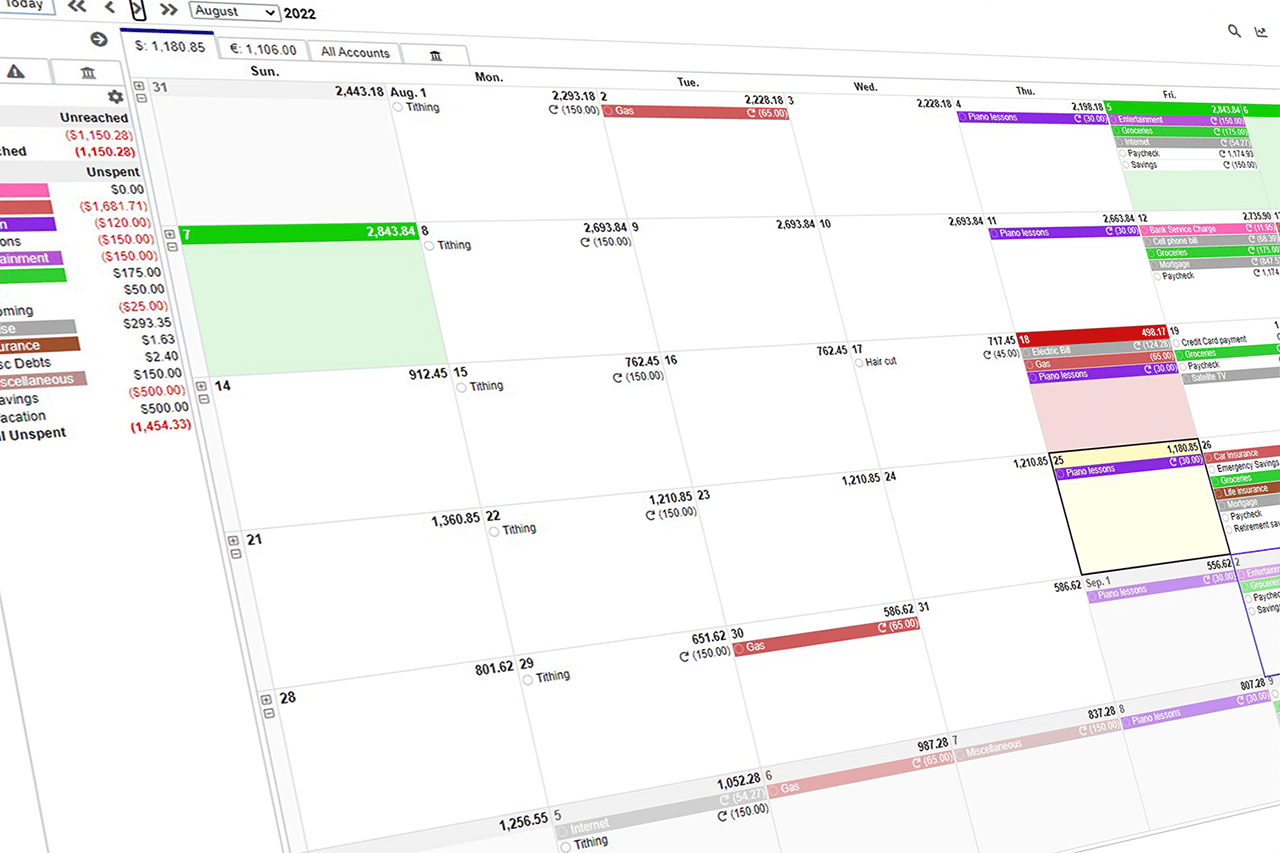
Additionally, incorporating regular reviews of the budget can lead to better financial management. By assessing spending patterns monthly, users can identify trends and make necessary adjustments. For example, if a user consistently overspends on dining out, they can modify their budget to allocate more funds toward groceries. Tools like CalendarBudget can facilitate these reviews, making it easier to track and adjust budgets effectively.
Building an Emergency Fund
An emergency fund is a critical component of a sound financial plan, providing a safety net for unexpected expenses such as medical emergencies or car repairs. Financial experts recommend saving three to six months' worth of living expenses to ensure that individuals can weather financial storms without resorting to debt. This fund acts as a buffer, allowing users to maintain their budgeting goals even during unforeseen circumstances.
To build an emergency fund, users can start by setting aside a small percentage of their income each month. Automating these transfers to a separate savings account can make the process seamless and less tempting to spend. For instance, if a user earns $3,000 a month, setting aside $300 can lead to a $3,600 emergency fund in a year, providing peace of mind and financial security.
Understanding Different Budgeting Methods
There are several budgeting methods available, each catering to different financial situations and preferences. Popular methods include the envelope system, where cash is divided into envelopes for various spending categories, and the 50/30/20 rule, which allocates 50% of income to needs, 30% to wants, and 20% to savings. Understanding these methods can help users choose the one that aligns best with their lifestyle and financial goals.
For example, the envelope system can be particularly effective for individuals who struggle with overspending in specific categories. By using cash for discretionary spending, users can visually track their expenses and avoid going over budget. CalendarBudget provides resources and templates that can help users experiment with different budgeting methods, ultimately leading to improved financial management.
The Role of Financial Literacy in Budgeting
Financial literacy plays a crucial role in effective budgeting, as it equips individuals with the knowledge and skills needed to manage their finances wisely. Understanding key concepts such as interest rates, investment options, and credit scores enables users to make informed decisions that impact their financial health. This knowledge fosters confidence in budgeting and promotes long-term financial success.
Moreover, enhancing financial literacy can lead to better budgeting practices and the ability to set realistic financial goals. For instance, individuals who understand the importance of saving for retirement are more likely to incorporate this into their budgeting plans. CalendarBudget offers educational resources and articles that can help users improve their financial literacy, empowering them to take control of their financial future.