How to Create a Personal Budget That Works for You
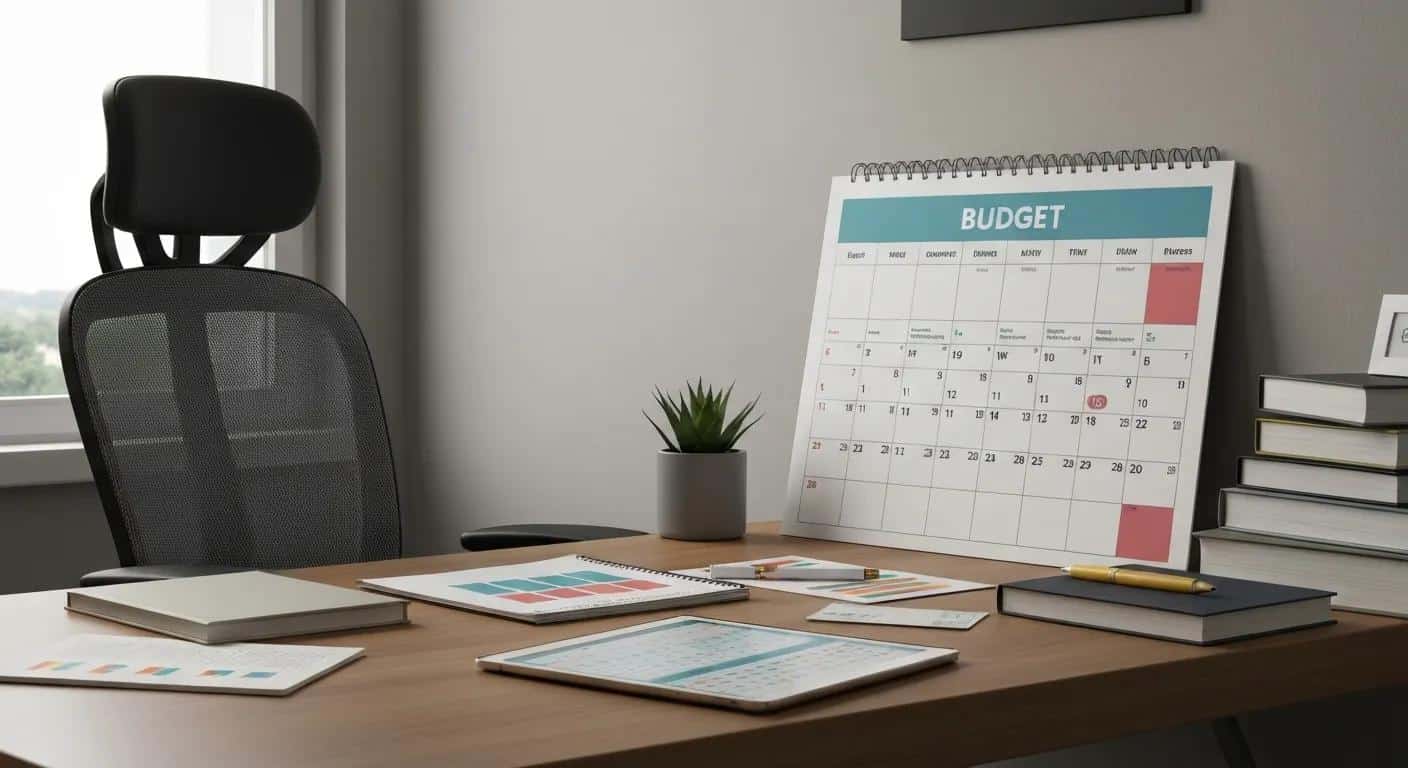
Creating a personal budget is essential for managing your finances effectively. A well-structured budget helps you understand your income and expenses, allowing you to allocate funds to various categories such as necessities, savings, and discretionary spending. Start by listing all your sources of income and then track your monthly expenses to see where your money goes.
To enhance your budgeting process, consider using budgeting tools or apps that can simplify tracking and provide insights into your spending habits. Regularly reviewing and adjusting your budget will ensure it remains aligned with your financial goals, helping you to stay on track and make informed financial decisions.
Understanding Different Budgeting Methods
There are several budgeting methods that cater to different financial styles and goals. Popular approaches include the zero-based budgeting method, where every dollar is allocated to specific expenses, and the 50/30/20 rule, which divides income into needs, wants, and savings. Exploring these methods will help you determine which one suits your lifestyle best.
Each budgeting method has its advantages and can be tailored to fit your unique circumstances. For instance, if you prefer a more visual approach, the envelope system may work well for you, while tech-savvy individuals might benefit from digital budgeting tools that automate tracking and reporting.
The Importance of Regular Financial Reviews
Regular financial reviews are crucial for maintaining control over your budget and achieving your financial goals. By assessing your budget monthly or quarterly, you can identify trends, spot areas where you may be overspending, and adjust your strategies accordingly. This proactive approach can help you stay on top of your financial situation.
During these reviews, take the time to evaluate your progress towards your savings goals, debt repayment, and overall financial health. Adjusting your budget based on these insights can lead to more effective financial management and a greater likelihood of achieving your long-term financial objectives.
Common Budgeting Mistakes to Avoid
Many individuals make common budgeting mistakes that can hinder their financial progress. Some of these include underestimating expenses, failing to account for irregular costs, and not regularly updating the budget. Recognizing these pitfalls is the first step towards creating a more effective budgeting strategy.
To avoid these mistakes, ensure that you are realistic about your spending habits and include a buffer for unexpected expenses. Additionally, regularly revisiting and adjusting your budget will help you stay aligned with your financial goals and improve your overall budgeting effectiveness.