

Get CalendarBudget App for Smarter Grocery Savings
Money slips away in small, everyday moments. When life moves fast, impulse purchases—down to the little things like grocery bags—can quietly erode your budget. This article shows how a personal finance app gives you clearer visibility into spending, uses visual budgets and cash-flow forecasts to prevent surprises, and helps you set realistic debt-repayment and savings plans. We’ll also walk through the features to prioritize when picking the right app for your needs.
Research shows these tools are effective at shaping more disciplined spending and better financial decisions.
Personal Finance Apps: Disciplined Spending & Saving
This study examines how personal finance apps affect user behavior, financial choices, and investment trends. Combining user surveys, app analytics, and interviews, it finds these apps encourage steadier spending, smarter saving, and more informed investment decisions.
From gamification to investment: How apps are changing personal finance, M Celestin, 2021
What Are the Benefits of Using a Personal Finance App Over Impulse Spending?
Personal finance apps help you see and control where money goes, which is the main defense against impulse buys. They track transactions, categorize spending, and show trends—so you can spot problem areas before they become a crisis. With clear visuals, users make fewer snap purchases and stick to goals more consistently.
Evidence also suggests these apps can actively nudge people to curb overspending and build better habits.
Personal Finance Apps: Overspending Nudges & Behavior Change
This paper looks at how in-app overspending alerts influence users’ money management. The findings show that timely nudges lead many users to change spending habits and improve personal finance routines.
Fintech nudges: Overspending messages and personal finance management, SK Lee, 2019
How Does Visual Budgeting Help Prevent Overspending?

Visual budgeting turns numbers into instantly readable signals: bars, charts, and progress rings make it obvious when a category is close to its limit. That quick feedback encourages mindful choices—if dining out shows up as a big slice of your month, you can act on it right away instead of discovering the problem after the credit card bill arrives.
Why Is Managing Small Expenses Like Grocery Bags Important for Financial Health?
Small, repeated purchases add up. Even low-cost items—if bought often—can push you off track. While grocery bag fees vary by location, the point is the same: tracking frequent small expenses reveals patterns you might otherwise miss. Logging those purchases in an app helps you decide whether they’re necessary, and where small cuts can free up money for bigger goals.
How Does Visual Cash Flow Forecasting Improve Money Management?
Visual cash-flow forecasting shows upcoming income and bills on a timeline so you can plan ahead. Seeing when paychecks and payments line up helps you avoid overdrafts, schedule transfers, and make smarter short-term decisions. The result is fewer surprises and steadier day-to-day cash management.
What Makes CalendarBudget’s Calendar View Unique for Future Financial Planning?
CalendarBudget places your cash flow directly on a calendar so you can view upcoming paydays, bills, and irregular expenses at a glance. That day-by-day perspective makes it easier to plan spending around real cash availability, rather than relying on end-of-month totals.
How Can Visual Forecasting Help Avoid Overdrafts and Bill Surprises?
Forecasting tools flag upcoming bills and project your balance across the month, giving you time to move money or delay discretionary spending. These alerts reduce the chance of overdrafts and let you handle surprises calmly, because you can see the impact of a bill before it posts.
How Can a Personal Finance App Support Debt Reduction and Savings Goals?
Apps help you break big goals into manageable steps: track minimums, visualize payoff timelines, and set recurring transfers to savings. That structure turns vague intentions into measurable progress, which makes staying on track simpler and more motivating.
What Strategies Do Budgeting Apps Use to Track and Reduce Debt?
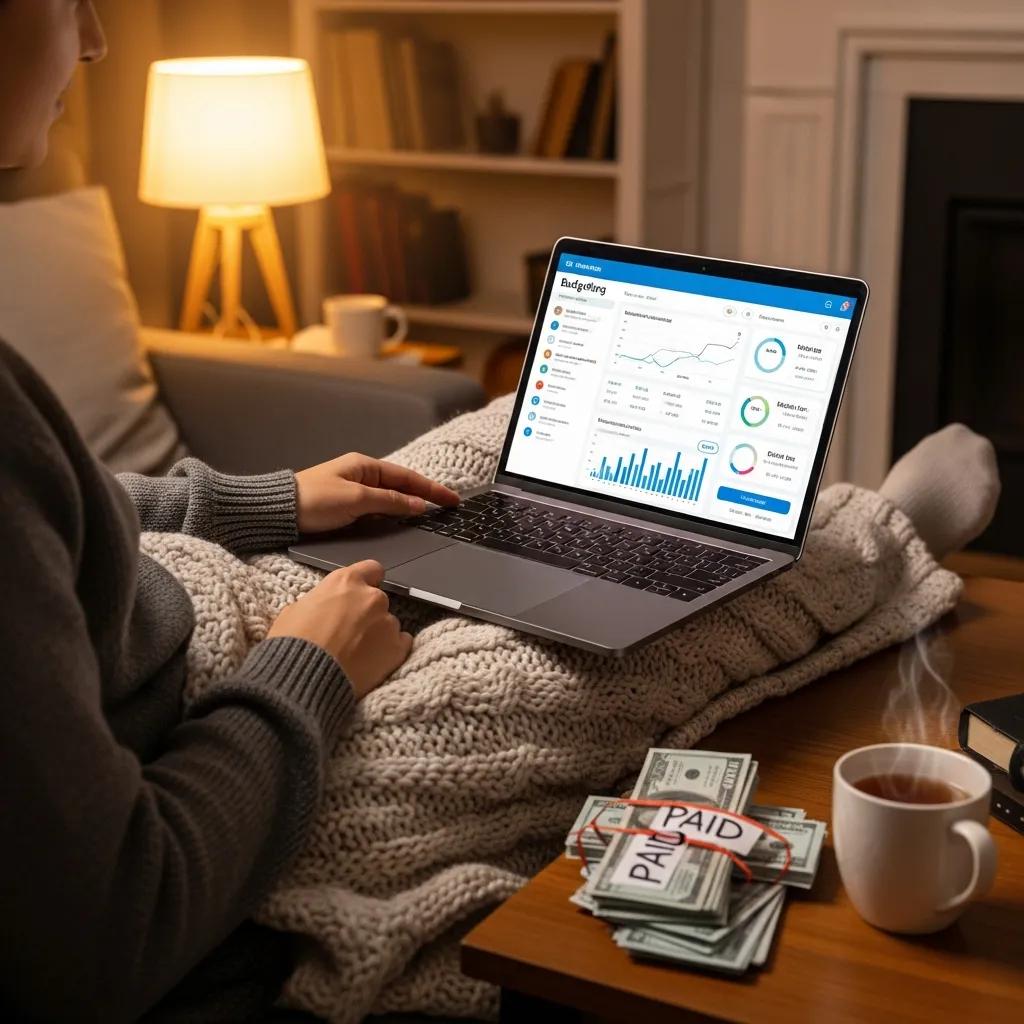
Budgeting apps often visualize debt with progress bars and timelines and support strategies like the snowball or avalanche methods. Those visuals make progress tangible—seeing balances fall and payoff dates move sooner motivates continued payments and faster debt reduction.
How Do Automated Savings Features Accelerate Wealth Building?
Automated transfers remove the decision each month to save. By routing money to savings on a schedule—or rounding up transactions—these features create steady momentum. Over time, automated contributions build emergency funds and investments without needing constant attention.
What Features Should You Look for When Choosing a Personal Finance App?
Pick an app that fits your workflow: it should sync across your devices, protect your data, and present information clearly. Prioritize features that match your goals—robust forecasting if you manage irregular income, or automated savings if you struggle to set money aside.
Why Is Cross-Platform Accessibility Important for Budgeting Apps?
Cross-platform access keeps your budget up to date whether you’re on phone, tablet, or desktop. Seamless syncing means you can log expenses on the go and review longer-term trends at home—so your plan stays current and useful.
How Do Security and Data Protection Influence App Selection?
Security matters. Look for strong encryption, clear privacy policies, and optional biometric or two-factor login. An app that treats your data carefully reduces risk and builds trust, which makes it easier to rely on the app for everyday money decisions.
Strong security is now a baseline feature for reputable personal finance apps.
Fintech Personal Finance Apps: Budgeting & Security
This chapter outlines fintech applications for personal budgeting and explains common security practices. Modern apps typically combine encryption with biometric or multi-factor authentication to protect user data.
Personal finance applications of fintech, S Agarwal, 2024
This table highlights the core features that make budgeting apps genuinely useful—pick the combination that matches how you handle money.
In short, investing time (or a small subscription) in a personal finance app usually pays off more than repeated impulse buys like grocery bags. With clear visuals, forecasting, and automation, these apps help you protect your cash, reduce stress, and make steady progress toward your financial goals.







Leave A Comment