

Budgeting Bulk Purchases: Weighing Travel Costs vs Savings
The thrill of finding a great deal can be incredibly satisfying, whether it’s a discounted appliance, a unique antique, or a special offer at a distant store. But before you hit the road, it’s crucial to ask: is this bargain truly worth the journey? This guide will help you evaluate the real cost of traveling for a deal, considering not just the sticker price, but also your time, fuel expenses, and other hidden factors. By understanding these elements, you can make informed decisions and ensure your pursuit of a bargain doesn’t end up costing you more than you save.
The True Cost of a Bargain: Beyond the Price Tag
While a low price tag is appealing, the actual value of a deal diminishes with every mile driven and every hour spent. Smart shoppers consider the full picture.
When Traveling for a Deal Pays Off
There are definite scenarios where making a trip for a bargain is a smart move:
- Significant Savings: The discount is substantial enough to comfortably outweigh all travel costs.
- Unique or Rare Items: The item is hard to find locally, making the trip the only option.
- Bulk Purchases: Buying in large quantities can justify the travel, especially for essentials.
- Combined Trips: You can combine the bargain hunt with another necessary errand or leisure activity in the same area.
Hidden Costs: When the Journey Outweighs the Bargain
Conversely, many deals lose their luster once travel expenses are factored in:
- Minor Savings: A small discount is quickly negated by fuel, tolls, and vehicle wear.
- Time Constraints: If your time is valuable, spending hours on the road for a small saving might not be efficient.
- Impulse Buys: Traveling specifically for an unplanned purchase can lead to overspending.
- Availability Elsewhere: The “deal” might be available online or closer to home with similar pricing once shipping or local travel is considered.
Key Factors to Consider Before You Drive for a Deal
To accurately assess if a bargain is worth the drive, you need to quantify the costs involved. Here’s what to factor in:
Fuel Costs: Your Primary Travel Expense
Calculating the fuel cost for your trip is the first step in determining the true price of your bargain. A simple calculation can provide a clear picture:
- Vehicle’s Fuel Efficiency (MPG/L/100km): Know how many miles your car gets per gallon or liters per 100 kilometers.
- Distance to the Deal (Round Trip): Measure the total distance you’ll travel to and from the store.
- Current Gas Prices: Check the average fuel price in your area.
Example: If your car gets 30 MPG, the store is 50 miles away (100 miles round trip), and gas is $3.50/gallon, your fuel cost is (100 miles / 30 MPG) * $3.50/gallon = $11.67.
Time is Money: Valuing Your Hours
Your time has value. Consider how many hours you’ll spend driving, shopping, and potentially waiting. If you earn $20 an hour, and the trip takes 3 hours, that’s $60 in lost opportunity or leisure time.
- Driving Time: Estimate the round-trip driving duration.
- Shopping Time: Account for time spent in the store.
- Opportunity Cost: What else could you be doing with that time (working, relaxing, spending with family)?
Other Considerations: Wear and Tear, Food, and Tolls
Beyond fuel and time, several other expenses can chip away at your savings:
- Vehicle Wear and Tear: Every mile adds wear to your tires, engine, and other components, contributing to depreciation and future maintenance costs.
- Tolls and Parking Fees: Many routes or shopping centers have tolls or parking charges that can add up.
- Food and Drink: A long drive often leads to buying snacks, drinks, or even a meal on the road, increasing your overall expenditure.
- Impulse Purchases: Being in a new store or area might tempt you to buy things you don’t need, negating your initial savings.
Making the Smart Choice: A Decision-Making Framework
To ensure you’re truly getting a deal, use a systematic approach to evaluate your options.
The “Bargain Value Calculator” (Mental or Actual)
Before you leave, perform a quick calculation:
Total Savings from Deal – (Fuel Cost + Time Cost + Other Travel Costs) = Net Savings/Loss
If the net result is a significant positive number, the trip might be worthwhile. If it’s negative or barely positive, reconsider.
Tracking Your True Savings: Beyond the Sticker Price
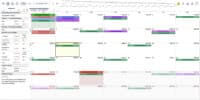
Tools like CalendarBudget can be adapted to help you track the real impact of your bargain hunting. You can:
- Log Potential Savings: Note the discount offered by the deal.
- Record Travel Expenses: Input fuel, tolls, and other costs associated with the trip.
- Visualize Net Gain/Loss: See clearly whether your efforts resulted in genuine savings or an unexpected expense.
By meticulously tracking these figures, you gain a clearer understanding of your shopping habits and can make more financially sound decisions in the future.







Leave A Comment