
Essential Resources for Freezing & Storing Perishables
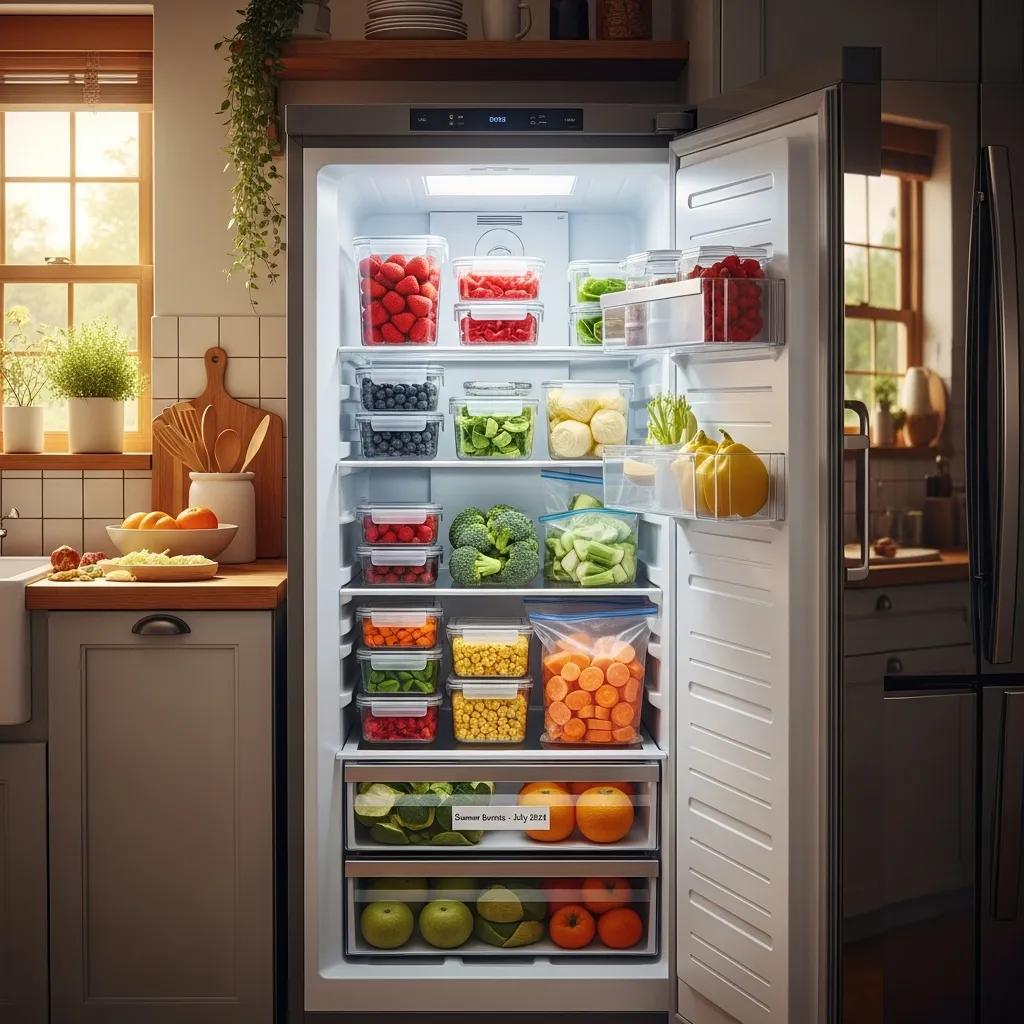
Freezing perishables is one of the easiest ways to stretch groceries, reduce waste, and keep meals nutritious. Learn the simple habits that help different foods freeze well, how to prevent freezer burn, and how to organize your freezer so you actually use what you save. We’ll also show how freezing ties into smart budgeting so you can keep more money in your pocket.
Best Foods to Freeze for Longer Shelf Life and Bigger Savings
Freezing lets you enjoy seasonal produce and bulk buys without letting food go to waste. Some foods hold up better than others — choosing the right ones helps preserve flavor and texture.
Best Fruits & Vegetables to Freeze for Meal Prep
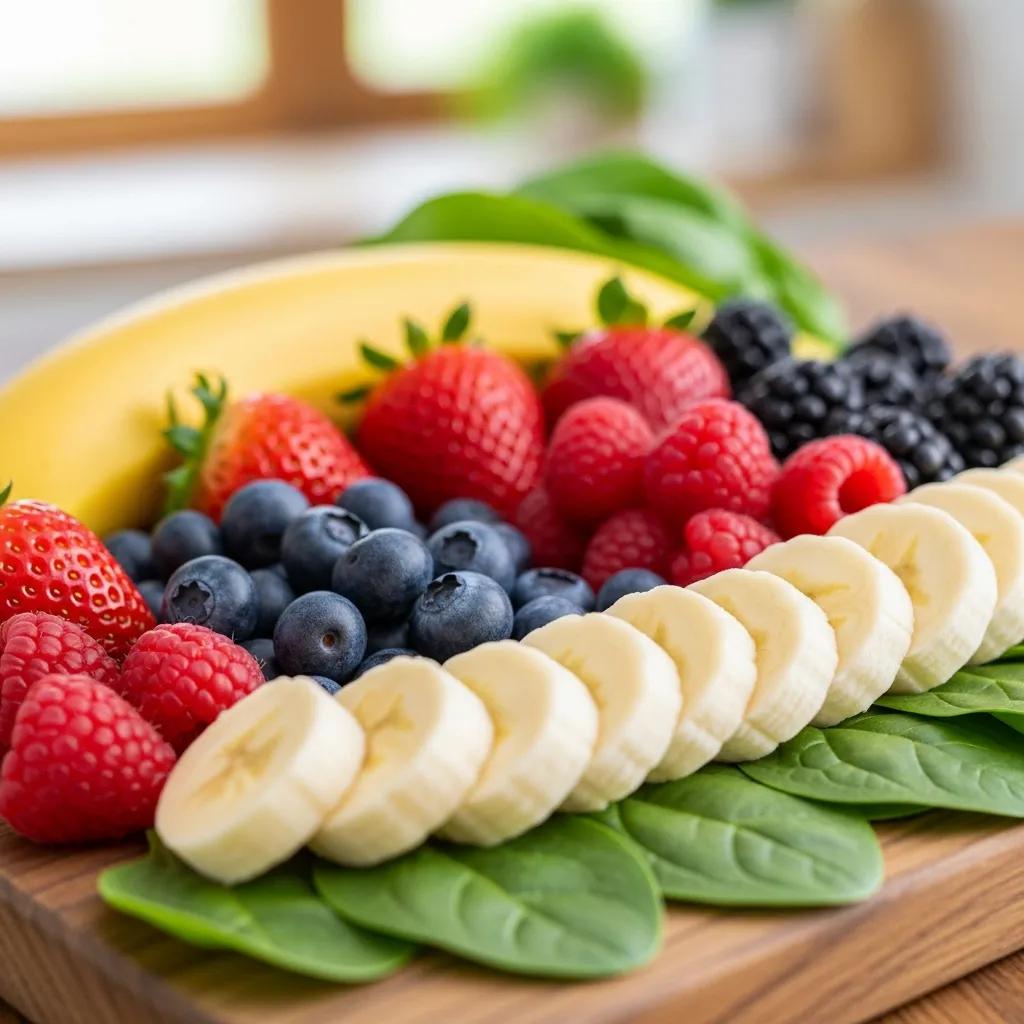
Certain fruits and vegetables freeze reliably and make meal prep faster. Try these:
- Berries: Strawberries, blueberries, and raspberries freeze well and keep most of their flavor — expect softer texture after thawing.
- Bananas: Peel and slice before freezing for smoothies or baking.
- Spinach: Briefly blanch before freezing to keep color and nutrients.
- Carrots: Slice or cube and blanch first to preserve texture.
These items work great in smoothies, baked goods, soups, or as easy side options — versatile staples for making meals from what you already have.
Research supports freezing as a solid long-term preservation method and highlights blanching for many vegetables to protect quality.
Freezing & Blanching for Long-Term Preservation
Freezing is a common method for preserving foods that helps retain many fresh attributes better than canning or drying. However, freezing can change the texture of cellular foods like meats, vegetables, and fruits. For vegetables in particular, blanching before freezing helps stop enzymatic activity that degrades quality over time.
Impact of processing factors on quality of frozen vegetables and fruits, RGM Van der Sman, 2020
How to Freeze Meats and Cooked Meals Safely and Efficiently?
Freezing cooked dishes and raw meats works well if you handle them properly. Follow these straightforward steps:
- Wrap Properly: Use freezer bags or airtight containers to limit air exposure and prevent freezer burn.
- Label and Date: Mark each package with contents and the date so you know what to use first.
- Cool Before Freezing: Let hot foods cool in the fridge before freezing to protect texture and avoid raising freezer temperature.
Do this and your meats and meals will stay safe and taste better when reheated.
How to Prevent Freezer Burn and Keep Food Tasting Great
Freezer burn comes from air reaching food, causing dryness and flavor loss. The right packaging and storage habits can minimize that problem and keep food enjoyable longer.
Packaging Methods That Protect Against Freezer Burn

Choose packaging that keeps air out. Common options include:
- Vacuum Sealing: Removes air for the strongest protection against freezer burn.
- Airtight Containers: Use containers rated for freezing to lock in moisture and flavor.
- Freezer Bags: Press out excess air before sealing to reduce exposure.
Using these methods extends quality and reduces waste.
Studies show vacuum packaging significantly extends shelf life by removing oxygen, which helps prevent freezer burn and spoilage.
Vacuum Packaging for Food Preservation & Freezer Burn Prevention
Vacuum packaging has become an important tool for extending product shelf life by removing oxygen and slowing microbial growth. Comparing vacuum-packed and non-packed samples shows clear improvements in preservation, reduced oxidation, and less waste — especially for perishable goods.
VACUUM PACKER FOR PRODUCTS, 2025
How Labeling and Smart Storage Extend Food Freshness
Simple labeling and an organized freezer make it easier to find food and use it before it spoils. Try these basics:
- Use Clear Labels: Write the item and freezing date on each package.
- Organize by Category: Keep meats, vegetables, and prepared meals grouped together.
- FIFO Method: Follow First In, First Out so older items get used first.
These small habits help stretch groceries and cut waste.
Practical Tips to Organize Your Freezer for Maximum Efficiency
Use FIFO and an Inventory to Reduce Waste
The FIFO approach plus a simple inventory list keeps your freezer manageable:
- Place New Items at the Back: Slide newly frozen packages behind older ones so the oldest get used first.
- Create an Inventory List: Track what’s inside and note dates so you can plan meals around what’s available.
- Check Regularly: Review the list weekly to avoid surprises and plan use-before dates into your meal plan.
These routines cut food waste and make meal planning easier.
Tools & Containers That Make Freezer Organization Easy
The right tools speed up freezing and finding food later:
- Clear Bins: Group similar items in clear bins so you can see contents at a glance.
- Labeling System: Use consistent labels and dates for quick identification.
- Freezer-Friendly Containers: Pick containers made for freezing to avoid cracking and to preserve quality.
How Freezing Perishables Helps Your Budget
How Cutting Food Waste Lowers Your Grocery Bill
Wasting less food directly saves money. Keep these figures and tips in mind:
- Cost of Food Waste: The average U.S. household loses about $1,500 worth of food each year.
- Freezing Saves Money: Freezing extendsthe life of perishables so you don’t need to replace them as often.
- Meal Planning: Planning around frozen items lets you buy in bulk and stretch ingredients further.
Freezing smartly can trim grocery bills and make your food dollars go further.
How CalendarBudget Helps You Track Food Savings
CalendarBudget is a visual money planner for tracking income, expenses, and future balances. Pairing your grocery habits with CalendarBudget lets you:
- Monitor Food Expenses: See how much you spend on groceries and spot areas to save.
- Plan Meals: Use your freezer inventory to plan meals around what you already have.
- Forecast Savings: Track patterns and forecast how much freezing and reducing waste can save over time.
Freezing perishables is a simple, high-impact habit: it saves money, reduces waste, and keeps good meals on hand. Follow the tips above for packing, labeling, and organizing — and use tools like CalendarBudget to track the real savings so you can meet your financial goals while enjoying home-cooked food.







Leave A Comment