Frequently Asked Questions
How to create plan?
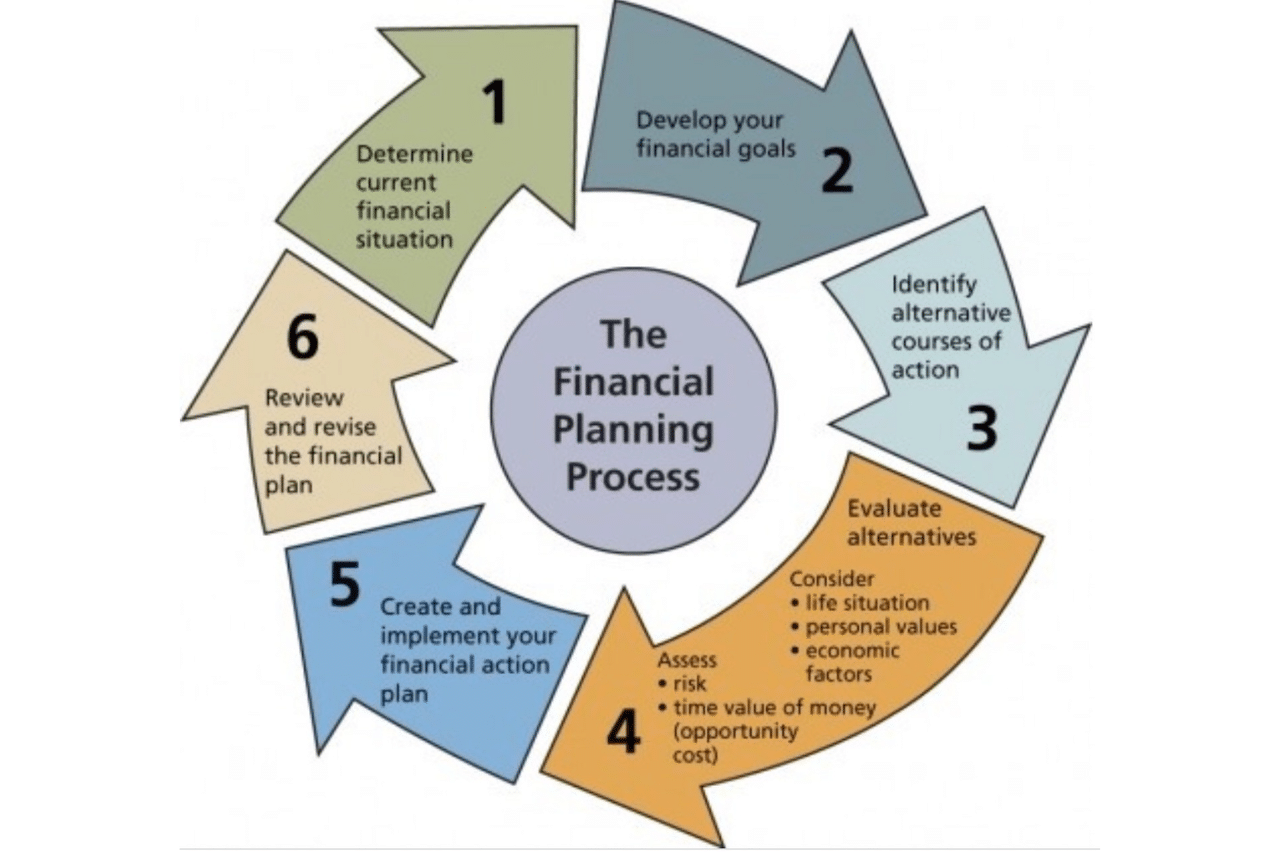
Creating a financial plan involves setting clear goals, assessing your current financial situation, and outlining actionable steps to achieve those goals. Utilize CalendarBudget to track your income, expenses, and progress effectively.
How to start planning?
Starting your financial planning involves setting clear goals and assessing your current financial situation. Begin by tracking your income and expenses, then use tools like CalendarBudget to create a structured budget that aligns with your financial objectives.
How to set goals financially?
Setting financial goals involves identifying specific, measurable, achievable, relevant, and time-bound (SMART) objectives. Start by assessing your current financial situation, then outline short-term and long-term goals, and use CalendarBudget to track your progress effectively.
How to plan expenses?
Planning expenses involves creating a budget that outlines your income and allocates funds for necessities, savings, and discretionary spending. Use tools like CalendarBudget to track and adjust your expenses effectively.
How set financial goals?
Setting financial goals involves identifying your specific objectives, such as saving for retirement or a major purchase, and creating a plan to achieve them. Use tools like CalendarBudget to track progress and stay motivated.
How to create budget?
Creating a budget involves assessing your income and expenses, setting financial goals, and allocating funds accordingly. Use tools like CalendarBudget to help track your spending and adjust your budget as needed for effective financial management.
What steps are needed to create a plan?
The steps needed to create a plan include assessing your current financial situation, setting specific financial goals, developing a budget, and regularly reviewing and adjusting your plan to stay on track.
How do I begin my financial planning?
Beginning your financial planning involves assessing your current financial situation, setting specific goals, and creating a budget. Start by tracking your income and expenses, then utilize CalendarBudget to help organize and manage your financial plan effectively.
What are effective strategies for setting goals?
Effective strategies for setting goals include defining specific, measurable objectives, breaking them into manageable steps, and establishing a timeline for achievement. Regularly reviewing progress and adjusting goals as needed also enhances motivation and success.
How can I effectively plan my expenses?
Effectively planning your expenses involves creating a detailed budget that outlines your income and necessary expenditures, setting clear financial goals, and regularly tracking your spending to ensure you stay on track. Utilize tools like CalendarBudget to simplify this process.
What methods help in setting financial goals?
Effective methods for setting financial goals include defining specific, measurable objectives, prioritizing them based on importance, and creating a timeline for achievement. Utilizing tools like CalendarBudget can further streamline this process, ensuring clarity and focus.
How do I create a realistic budget?
Creating a realistic budget involves assessing your income and expenses, setting achievable financial goals, and regularly reviewing your spending. Utilize tools like CalendarBudget to track your finances and adjust your budget as needed for effective management.
What tools assist in financial planning?
The tools that assist in financial planning include budgeting software, financial calculators, and expense tracking apps. CalendarBudget is an excellent resource that helps users create and manage their budgets effectively, ensuring a solid financial foundation.
How to prioritize expenses in a budget?
Prioritizing expenses in a budget involves identifying essential needs, such as housing and utilities, before allocating funds to discretionary spending. Focus on your financial goals and adjust categories based on urgency and importance to maintain a balanced budget.
What factors influence my financial planning process?
The factors that influence your financial planning process include your income, expenses, financial goals, risk tolerance, and life circumstances. Each of these elements plays a crucial role in shaping your overall financial strategy.
How to track progress towards financial goals?
Tracking progress towards financial goals involves regularly reviewing your budget, monitoring expenses, and assessing your savings. Utilize tools like CalendarBudget to visualize your financial journey and make adjustments as needed to stay on track.
What common mistakes to avoid in planning?
Common mistakes to avoid in planning include failing to set specific, measurable goals, neglecting to review and adjust your budget regularly, and underestimating expenses. These pitfalls can hinder effective financial management and long-term success.
How to adjust my plan as needed?
Adjusting your plan as needed involves regularly reviewing your financial goals and budget. Use CalendarBudget to track changes in your income or expenses, and make necessary adjustments to stay on track with your financial objectives.
What resources are available for financial planning?
Resources available for financial planning include budgeting tools like CalendarBudget, financial planning software, educational articles, online courses, and expert consultations. These resources help individuals create effective financial plans and achieve their financial goals.
How to evaluate my financial situation?
Evaluating your financial situation involves assessing your income, expenses, debts, and savings. Start by tracking your monthly cash flow and creating a net worth statement to gain a clear picture of your financial health.
What role does saving play in planning?
The role of saving in planning is crucial for achieving financial stability and reaching your goals. By setting aside funds, you create a safety net and enable yourself to invest in future opportunities, ensuring a solid financial foundation.
How to align goals with financial resources?
Aligning goals with financial resources involves assessing your financial situation and prioritizing your objectives. Use tools like CalendarBudget to create a budget that reflects your goals, ensuring that your spending aligns with your financial capabilities.
What is the timeline for creating a plan?
The timeline for creating a plan varies based on individual circumstances but typically involves assessing your financial situation, setting goals, and drafting a plan within a few weeks. Regular reviews and adjustments are essential for ongoing effectiveness.
How to involve family in financial planning?
Involving family in financial planning is essential for achieving shared financial goals. Start by discussing your financial objectives together, encouraging open communication, and utilizing tools like CalendarBudget to create a collaborative budgeting plan that everyone can contribute to and understand.
What are the benefits of a financial plan?
The benefits of a financial plan are numerous. A well-structured financial plan helps you set clear goals, manage your budget effectively, and prepare for future expenses, ultimately leading to greater financial stability and peace of mind.
How to stay motivated during planning?
Staying motivated during planning is essential for success. To maintain motivation, set clear, achievable goals, celebrate small milestones, and regularly review your progress to stay focused on your financial objectives.
What is the impact of inflation on planning?
The impact of inflation on planning is significant, as it erodes purchasing power and can affect savings, investments, and budgets. Effective financial planning must account for inflation to ensure long-term goals remain achievable.
How to review and revise my budget?
Reviewing and revising your budget involves regularly assessing your income and expenses to ensure they align with your financial goals. Adjust your budget as needed to reflect changes in your financial situation or priorities.
What are the key components of a budget?
The key components of a budget include income, fixed expenses, variable expenses, savings, and debt repayment. These elements help individuals track their financial flow and ensure effective financial management through planning and goal setting.
How to set short-term and long-term goals?
Setting short-term and long-term goals involves identifying specific, measurable objectives that align with your financial aspirations. Start by outlining immediate needs for short-term goals, then define broader ambitions for long-term success to guide your financial planning.
Leave A Comment