

Teaching Kids Healthy Money Habits: A Practical Guide for Parents
Teaching children to handle money is one of the most valuable lessons you can give. Start early and you set them up for smarter choices, more confidence with allowances, and better habits around saving and spending. This guide breaks down clear, practical steps parents can use — from basic money sense for little kids to hands-on budgeting for teens. If you’re not sure where to begin, these tips, tools, and program ideas make it simple and rewarding.
Which money-management lessons matter most for kids?
Begin with a few lasting habits: understanding what money buys, setting specific savings goals, and pausing before spending. These basics build a healthy money mindset and give kids a reliable foundation for decisions as they grow.
How can visual budgeting help kids understand money?
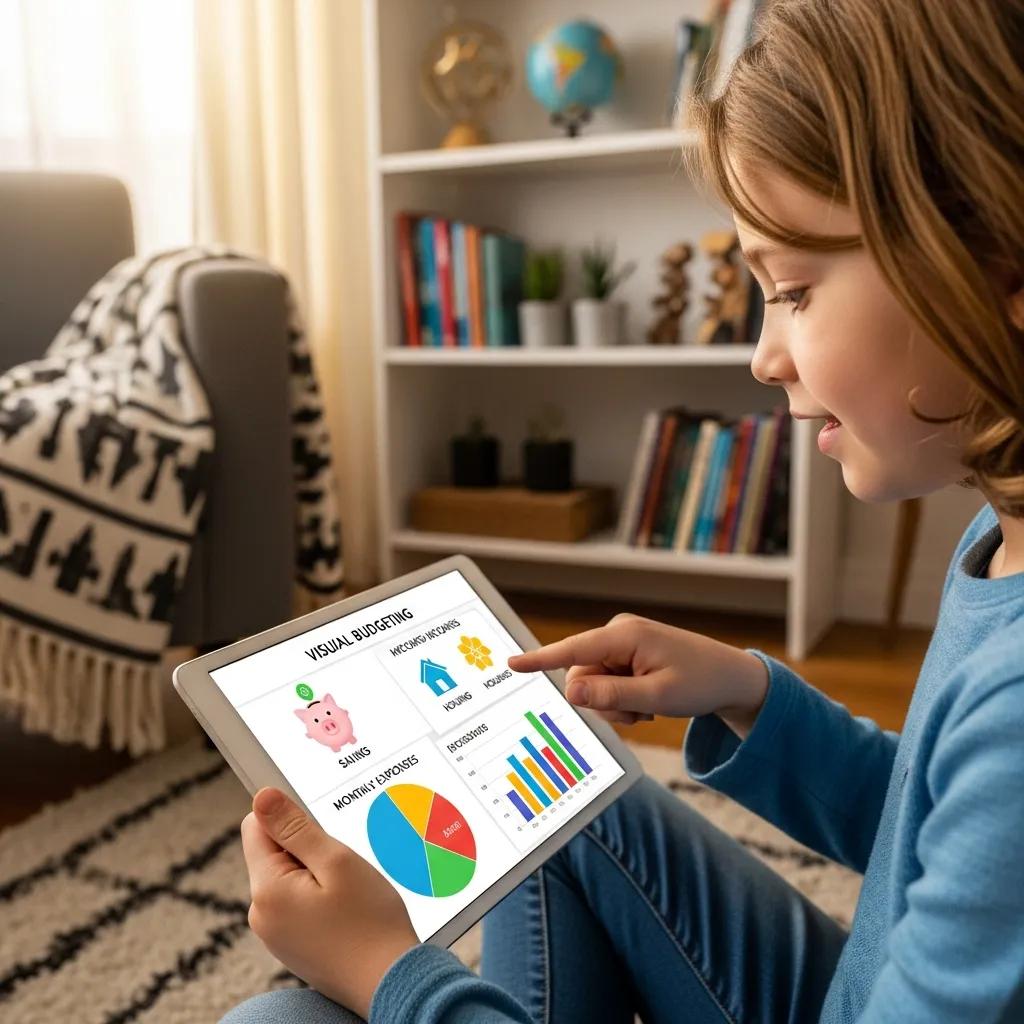
Visual tools — jars, charts, or kid-friendly apps — make budgeting concrete. When children can see where money comes from and where it goes, saving and spending become easier to grasp. Interactive visuals turn an abstract idea into a simple lesson they’ll remember.
How does an allowance teach saving and spending?

An allowance gives kids hands-on money practice. Regular payments — weekly or monthly — let them balance saving with small purchases and experience the consequences of choices. Tailor the amount and rules to your child’s age and responsibilities so they learn independence and accountability.
How do you teach teenagers to budget effectively?
Teen budgets should be realistic and tied to clear goals. Use tools they already like, present real scenarios (paying for gas, a phone plan, or outings), and show how planning reduces stress. Hands-on practice with age-appropriate methods builds habits that last into adulthood.
What budgeting strategies work best for teens?
Keep it practical: encourage teens to track spending with an app, set specific savings targets (a trip, a device, or a car), and practice separating wants from needs. Small, achievable goals plus regular check-ins help them prioritize and stay on track.
How can the CalendarBudget app help teens learn budgeting?
CalendarBudget brings budgeting to the place teens already use most: their phone. The app lays out income and expenses clearly so they can plan for upcoming bills and watch progress toward goals. Using a familiar tool turns financial lessons into everyday habits.
Why start financial lessons early?
Starting early makes financial choices easier later on. Kids who learn the basics young are more likely to form sensible habits — saving, budgeting, and weighing options — that stick into adulthood.
When should financial lessons begin?
Begin simply in preschool with counting and coin recognition. As children grow, add short, hands-on activities about saving and spending. Gradually introduce basic budgeting and goal-setting so lessons match their understanding at each stage.
How does teaching wants versus needs help?
Learning to distinguish wants from needs gives kids a quick decision framework. Role-play small purchase choices or compare options so they practice prioritizing and delaying gratification for bigger goals.
How can parents use financial literacy programs to teach kids?
Structured programs can complement what you teach at home. They provide age-appropriate lessons, activities, and resources that make money topics engaging and easier to explain.
Which youth financial education programs are effective?
Choose programs that fit your child’s age and learning style. Organizations like Junior Achievement and the National Endowment for Financial Education offer tested curricula and hands-on activities that bring money lessons to life.
How do you add practical money activities at home?
Bring lessons into everyday life: have kids help budget for a family outing, track a small allowance, or run a simple lemonade stand. Real tasks teach planning, record-keeping, and the satisfaction of saving.
This table highlights a few simple, high-impact lessons you can start using today. Regular practice in these areas helps kids develop steady, useful financial habits.
Teaching money skills is an investment that pays off. With clear strategies and helpful tools like CalendarBudget, parents can guide children from basic money sense to confident, independent decisions. Start early, keep lessons practical, and build habits that last.
Frequently Asked Questions
What are some fun activities to teach kids about money management?
Make learning playful: board games like Monopoly, online simulations, or simple DIY projects (decorate a savings jar) reinforce key ideas. Involve kids in planning a family outing budget so they practice real decisions. Short, hands-on activities keep them engaged while they learn.
How can parents encourage their children to save money?
Try matching part of what they save, use a visible savings chart so progress is easy to see, and set clear goals with small celebrations at milestones. Regular check-ins and small rewards help keep motivation high.
What role do financial literacy apps play in children’s education?
Apps make abstract concepts tangible with trackers, goals, and reminders. They meet kids where they are and provide interactive ways to practice budgeting, saving, and spotting spending patterns.
How can parents respond to financial mistakes their children make?
Turn mistakes into learning moments. Talk through what happened, discuss what could be done differently, and help them fix it when possible. Framing errors as opportunities to learn builds judgment without shame.
What are the long-term benefits of teaching financial literacy to children?
Early money education leads to better decision-making, less debt, and greater confidence handling finances as adults. Children who learn budgeting and saving early are more likely to reach financial goals and avoid common pitfalls.
How can parents model good financial behavior for their children?
Be open about household budgeting when appropriate. Involve kids in setting goals, explain trade-offs, and demonstrate consistent saving and spending habits. Actions speak louder than words — modeling responsible behavior is one of the strongest lessons you can give.







Leave A Comment