

Proven Grocery Shopping Strategies to Save Money
Grocery shopping can feel overwhelming when you’re trying to stick to a budget. With a few practical habits—thoughtful meal planning, smarter shopping, and cutting food waste—you can lower your grocery bill without giving up quality. This article walks through the core strategies that help you plan meals, shop with purpose, reduce waste, and build a realistic grocery budget so your money stretches further over time.
How Can Meal Planning Help You Save Money on Groceries?
Meal planning is one of the simplest ways to trim grocery costs. When you plan your week’s meals, you shop with intent, avoid impulse buys, and use ingredients you already have. A focused shopping list and a clear plan let you buy only what you need and make the most of pantry staples—small changes that add up to real savings.
Research also supports meal planning as a way to encourage healthier eating while managing food budgets.
Cost-Effective Meal Planning for Healthy Eating & Budgeting
The study found that cost-effective meal planning strategies can promote healthier eating habits, though socioeconomic factors influence how families implement those strategies.
Cost-effective meal planning strategies for maintaining nutritional quality in financial hardship among families in plateau state, Nigeria, 2024
What Are the Steps to Create an Effective Weekly Meal Plan?
Use these steps to build a realistic weekly plan:
- Identify Meals for the Week: Choose recipes for the week and prioritize ones that share ingredients so you use what you already have and cut waste.
- Create a Shopping List: Turn your meal plan into a precise list—note quantities and cross-check with your pantry so you don’t buy extras.
- Schedule Meal Prep: Set aside time to chop, marinate, or cook ahead. Batch-cooking or prepping components saves time and reduces the temptation to order takeout.
Following these steps makes shopping faster, reduces waste, and helps your grocery dollars go further.
How Does Using Pantry Inventory and Leftovers Reduce Grocery Costs?
Tracking what’s already in your pantry and fridge prevents duplicate purchases and helps you plan around existing ingredients. That alone can shave a noticeable amount off your grocery bill.
- Track Pantry Items: Do a quick inventory before you shop—note quantities and use-by dates so you plan meals that use what you have.
- Get Creative with Leftovers: Turn yesterday’s roast vegetables into a frittata or use extra rice for fried rice. Reimagined leftovers cut waste and stretch meals farther.
When you combine inventory checks with creative leftovers, you dramatically reduce unnecessary spending.
What Are the Best Smart Grocery Shopping Strategies to Cut Food Expenses?
Small changes at the store add up. Comparing unit prices, using digital coupons, and trying store brands are simple, effective ways to lower your food costs without sacrificing quality.
Avoid Shopping While Hungry
Shopping on an empty stomach often leads to impulse buys and overspending. When you’re hungry, you’re more likely to grab convenience foods, snacks, and items not on your list. Eat a meal or a substantial snack before heading to the store to make more rational choices and stick to your budget.
How Does Understanding Unit Pricing and Sales Cycles Improve Your Budget?
Two practical habits make a big difference:
- Unit Pricing: Compare price per ounce, pound, or serving to find real value—bigger packages aren’t always the cheapest per unit.
- Sales Cycles: Learn your stores’ sale patterns. Stock up on nonperishables or freezer-friendly items when they’re on sale to save later.
Mastering these makes it easier to buy smart and stick to your budget.
Why Choose Store Brands and Use Digital Coupons for Savings?
Store brands and digital coupons are low-effort ways to cut costs:
- Store Brands: Many store-brand items offer similar quality at a lower price—try them for staples like canned goods, pasta, and dairy.
- Digital Coupons: Clip coupons through store apps or loyalty programs; they’re easy to apply and often stack with in-store sales.
Use these tactics regularly and you’ll see meaningful reductions in your grocery bill.
How Can You Reduce Food Waste at Home to Save Money?
Reducing food waste saves money and is better for the planet. Simple storage habits and a few creative recipes can keep food on your plate instead of in the trash.
What Food Storage Hacks Keep Produce Fresh Longer?
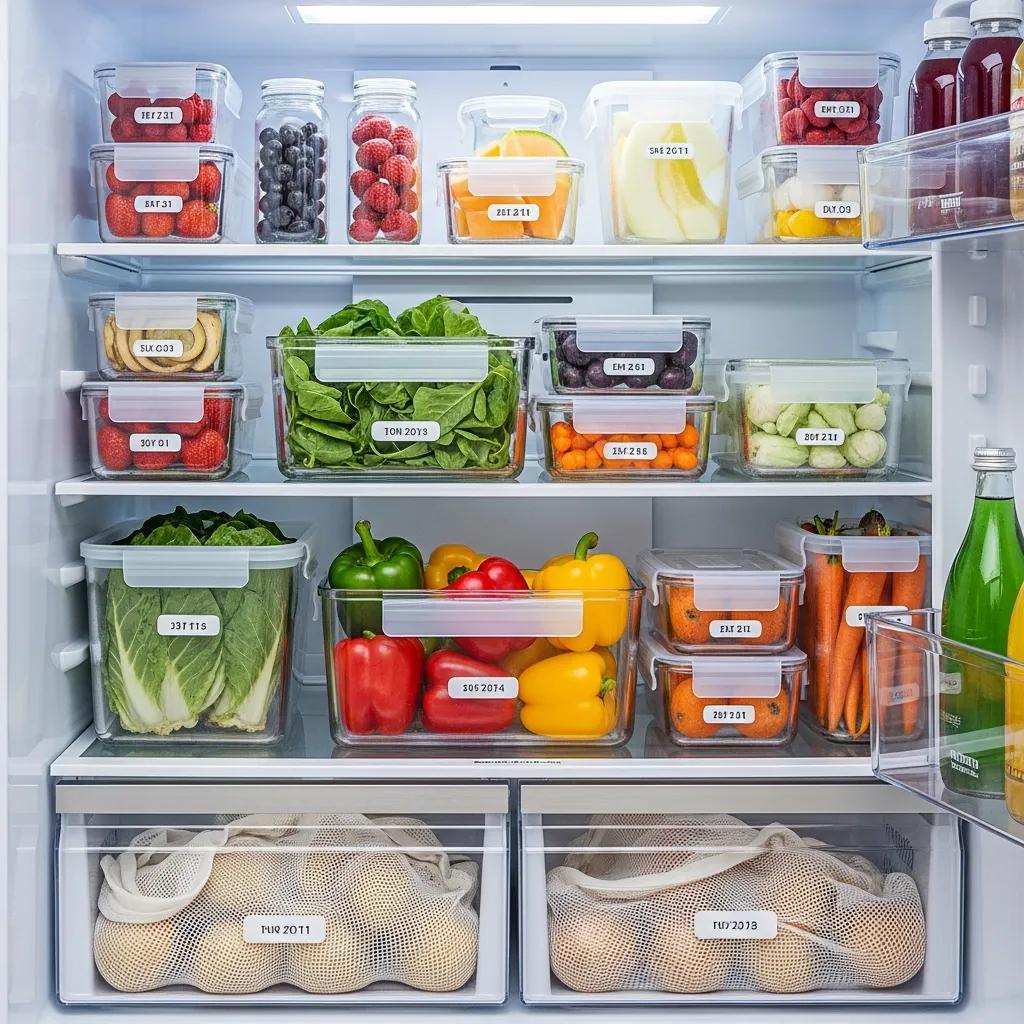
Try these storage tips to extend freshness:
- Use Airtight Containers: Move cut or prepped produce into sealed containers or resealable bags to control moisture and slow spoilage.
- Store Produce in the Right Conditions: Know which items belong in the fridge versus the counter—apples stay crisp in the fridge; bananas ripen faster at room temperature. Keep ethylene-producing fruits away from sensitive greens.
Small storage changes can meaningfully extend shelf life and reduce waste.
Research shows that controlled, airtight compartments can slow weight loss and preserve nutrients in fresh produce.
Extend Produce Shelf Life in Your Refrigerator
Two airtight compartments kept at higher relative humidity preserved produce better than conventional open systems, reducing weight loss and retaining nutrients like ascorbic acid and chlorophyll.
Effect of gas tightness-controlled compartment system on quality keeping of fresh produce stored in household refrigerator, DS Lee, 2010
How Can Freezing and Creative Leftover Recipes Minimize Waste?
Freezing and smart recipes make leftovers go further:
- Freezing: Freeze fruits for smoothies, portion and freeze cooked meals, and label containers with dates so nothing gets forgotten.
- Creative Recipes: Turn leftover chicken into soup or salad, or repurpose grains and veg into bowls and casseroles.
These habits save money and make meal planning more flexible.
How Do You Build and Stick to a Realistic Grocery Budget?
A clear grocery budget plus ongoing tracking keeps spending under control. Set a target, monitor purchases, and adjust as needed so your food spending matches your priorities.
How to Track Grocery Expenses Effectively Using CalendarBudget?
CalendarBudget makes it easier to watch grocery spending in real time. Here’s how to use it:
- Set Up a Grocery Budget: Choose a monthly grocery limit based on your income and other expenses.
- Monitor Spending in Real-Time: Log purchases in CalendarBudget as they happen so you always know how much remains in your grocery category.
Tracking purchases this way helps prevent surprises and keeps your plan on track.
What Are Practical Tips for Adjusting Your Grocery Budget Amid Rising Food Costs?
When prices rise, small shifts can protect your budget. Try these practical moves:
- Review and Adjust Regularly: Check your grocery spending each month and adjust your plan as prices change.
- Identify Areas to Cut Back: Cut nonessentials, swap pricey brands for cheaper alternatives, and plan meals around sale items.
With these adjustments, you can manage grocery spending even when costs increase.







Leave A Comment