
How Poor Money Habits Can Spark a Recession — What Happens and How to Prevent It
Poor money habits don’t just hurt individual households — they can ripple through the whole economy. When people overspend, under-save, or take on unsustainable debt, consumer demand falls and financial stress rises. That combination can slow business activity and, in extreme cases, help trigger a recession. This article explains the links between weak personal finance and broader economic decline, and it offers practical steps to reduce the risk. You’ll learn how financial mismanagement affects the economy, what the consequences can be, and which tools and habits — including the CalendarBudget app — can help people regain control.
How Poor Money Habits Affect the Economy

When households struggle with money, they usually cut back on purchases. Lower consumer spending reduces demand for goods and services, which forces businesses to scale back production and sometimes lay off workers. Those job losses then reduce spending even more, creating a feedback loop that weakens economic activity. At the same time, rising personal debt makes households more vulnerable to shocks, and high debt levels can weigh on the entire economy.
Wider Consequences for the Economy
The effects of poor household finances extend beyond budgets and bank accounts. Broadly, they can show up as higher unemployment, falling consumer confidence, and increased stress across communities. Financial anxiety often means people spend less, which deepens any slowdown. That cycle — personal strain feeding into macroeconomic weakness — is why improving everyday money management matters for everyone.
Effective Strategies to Prevent Economic Fallout

Stopping the negative economic effects of poor money management starts with practical, scalable steps: boost financial literacy, use straightforward budgeting tools, build emergency savings, and practice mindful spending. These approaches give people better control over their finances and help stabilize broader economic activity.
Financial Education
Financial education lays the foundation for healthier money choices. Teaching people how to budget, save, and invest helps them make better decisions and avoid common pitfalls. Strong financial skills benefit households and, when scaled across a population, make the economy more resilient.
Budgeting Tools
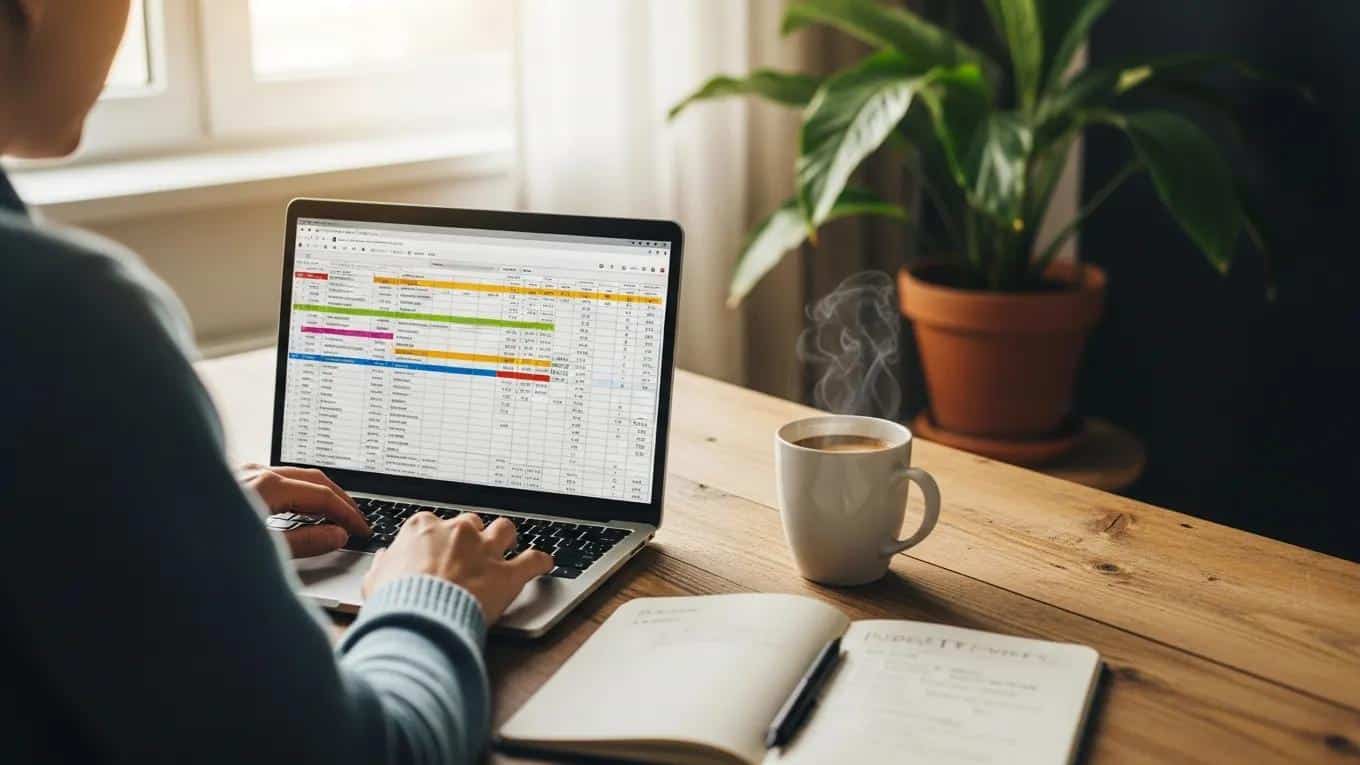
Simple tools make good habits easier to keep. The CalendarBudget app uses a calendar-based view so you can see when income and bills fall and plan accordingly. That visibility helps you track spending, spot trouble early, and align expenses with pay schedules — practical changes that reduce the chance of falling into debt.
Emergency Funds
An emergency fund is the single best buffer against unexpected shocks like job loss or medical bills. Having savings set aside reduces the need to borrow, which protects both household finances and the wider economy during rough times.
Mindful Spending
Mindful spending means prioritizing needs, reviewing your finances regularly, and setting clear limits. These habits curb impulse purchases and help households stay on track with their goals, which supports steady consumer behavior across the economy.
Effects of Poor Financial Planning on the Economy
Bad planning often means less spending and more borrowing. Households that overspend or fail to save may rely on credit to cover day-to-day costs, increasing debt levels and default risk. The stress and uncertainty that come with poor planning also reduce consumer confidence, making people less likely to spend and invest.
How Poor Money Management Triggers Downturns
The link is largely mechanical: when many households cut spending at once, demand falls. Businesses respond by lowering production and often cutting jobs. Those job losses then reduce demand further, and the cycle can tip a slowing economy into a recession. Preventing that chain reaction starts with healthier household finances.
Household Debt and Recession Risk
High household debt tightens budgets and leaves families vulnerable to income shocks. Heavily indebted households spend less and are more likely to default when conditions worsen. Widespread defaults can strain banks and public finances, amplifying economic pain and raising the risk of recession.
Research highlights how a surge in credit, low interest rates, and overly optimistic expectations before 2008 led to soaring mortgage lending and a hidden crisis of over-indebtedness. That episode shows how widespread household debt can have long-lasting effects on economies and government budgets.
Over-Indebtedness and Economic Recession Legacy
Summary: Before the 2008 crisis, credit growth, low rates, and optimistic views on housing drove a rapid rise in mortgage lending across many OECD countries. The crisis uncovered a widespread problem of over-indebted households that continues to affect millions. In the aftermath, household debt pushed economic conditions lower and strained public finances, which in turn led to austerity measures like cuts to social programs and higher taxes.
The legacy of economic recession in terms of over-indebtedness: A framework and review of the evidence, 2021
How Personal Budgets Support Economic Stability
Personal budgets help households plan, save, and avoid unnecessary borrowing. When people manage money well, they can maintain steady consumption and respond better to shocks — actions that add up to a more stable economy.
Can Budgeting Cut Debt and Help the Economy?
Yes. Budgeting reveals spending patterns and makes it easier to prioritize debt repayment and savings. Widespread adoption of better budgeting reduces household leverage and supports healthier, more sustainable consumer spending across the economy.
Why Align Budgets with Your Pay Schedule?
Aligning expenses with when you get paid smooths cash flow and reduces the risk of shortfalls. When budgets reflect income timing, people can plan bill payments and savings more reliably, avoiding late fees and short-term borrowing.
Why Financial Literacy Lowers Recession Risk
Financial literacy gives people the tools to make smart choices about debt, savings, and spending. As more people become financially capable, the economy benefits from steadier consumer behavior and fewer crises driven by household fragility.
How Financial Education Improves Personal Finance
Education builds skills for everyday money decisions: setting a budget, choosing savings strategies, and understanding basic investments. These skills reduce costly mistakes and help people build long-term stability.
Economic Benefits of Better Financial Literacy
Higher financial literacy leads to better budgeting, less reliance on high-interest credit, and more saving and investing. Collectively, these habits strengthen economic resilience and reduce the likelihood of disruptive downturns.
How Consumer Spending Shapes Economic Cycles
Consumer spending drives a large portion of economic activity. When people feel secure, they spend more, which supports jobs and business growth. When confidence falls, spending drops and the whole cycle can slow down — making consumer behavior a key factor in economic swings.
Early Consumer Signals of a Downturn
Look for warning signs like falling consumer confidence, rising personal savings rates driven by fear, and shifts away from discretionary purchases. Tracking these signals helps policymakers and businesses act early to soften a slowdown.
How Changing Spending Habits Can Prevent Recessions
Encouraging disciplined spending — prioritizing essentials, saving regularly, and reviewing finances — reduces the chance that households will suddenly cut back en masse. That steadier consumer behavior helps prevent sharp drops in demand that can trigger wider economic problems.
How CalendarBudget Helps Improve Money Management
The CalendarBudget app uses a calendar view to make income and expenses visible in context. Seeing when money arrives and leaves helps you plan bills, avoid overdrafts, and align spending with your pay schedule. That clarity supports better decisions and calmer finances.
Features That Help You Track Spending in Real Time
CalendarBudget offers a visual calendar of income and bills, real-time expense tracking, and automated reminders so you don’t miss payments. These features make it easier to spot problem areas and stay on track with your money.
How CalendarBudget Helps Strengthen Economic Stability
By helping people manage cash flow, reduce debt, and build savings, CalendarBudget supports healthier household finances. When more households are on firmer footing, consumer spending becomes steadier — and that contributes to a stronger, more stable economy.







Leave A Comment