
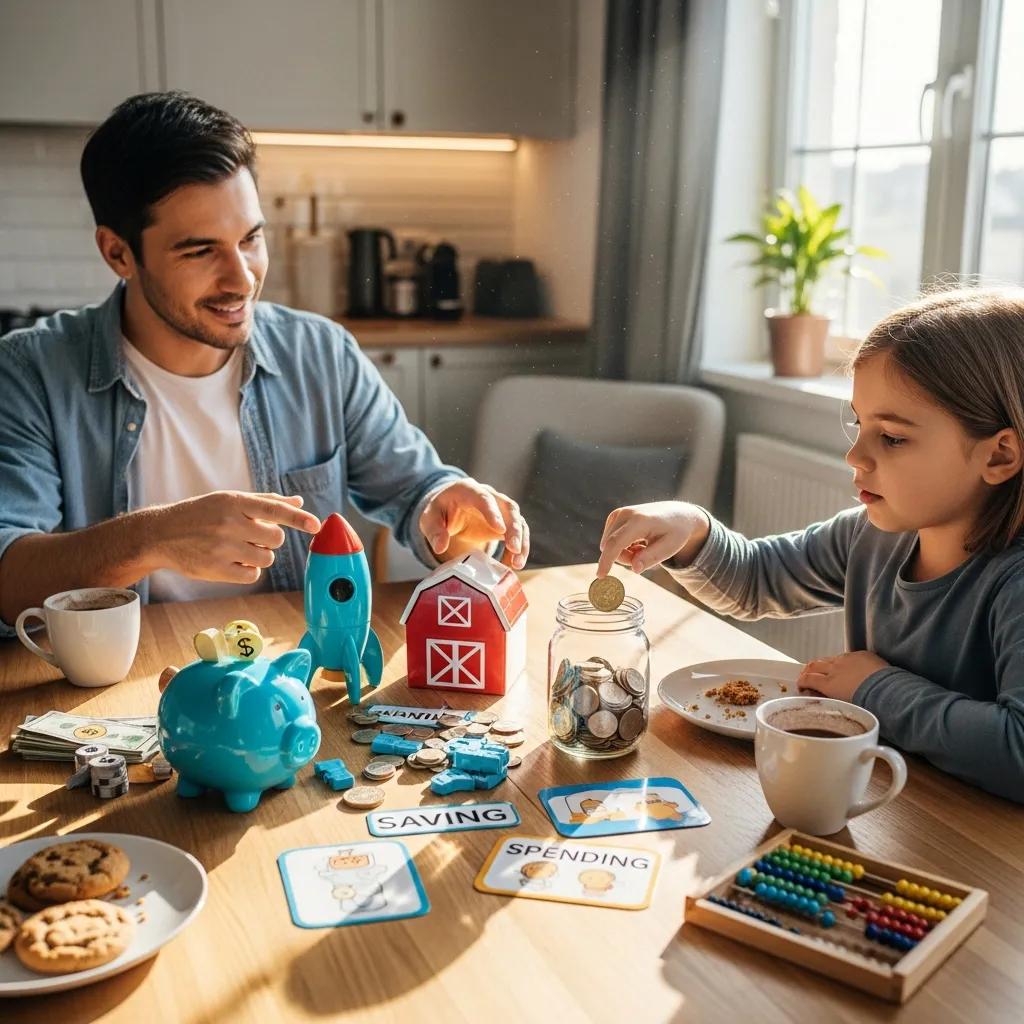
Turn Unused Diapers into Budgeting Lessons for Kids
Helping children learn how to handle money is one of the most practical life lessons a parent can teach. In a consumer-driven world, many kids don’t yet understand money’s value, which can lead to wasteful spending and careless use of resources. This article lays out straightforward, proven strategies parents can use to teach financial responsibility and curb wasteful habits. We’ll explain common reasons kids act wastefully, share effective teaching techniques, and offer hands-on steps you can apply at home. You’ll also see how CalendarBudget can simplify tracking allowances and make money lessons more visual and actionable for the whole family.
Why do children act wastefully—and how can parents make sense of it?
Wasteful behavior often comes from a few predictable places: a limited grasp of value, underdeveloped impulse control, and a focus on immediate wants instead of future consequences. When parents recognize these root causes, they can choose targeted strategies—rather than punishment—to help kids build better habits.
What types of wastefulness do children show?
- Food waste: Leaving plates unfinished or picking at meals can add up to a lot of wasted food.
- Resource waste: Forgetting to turn off lights, leaving taps running, or treating toys and belongings carelessly.
- Financial waste: Small, impulsive purchases—repeated often—can quickly erase a child’s spending power.
Spotting which of these patterns shows up at home makes it easier to pick the right fixes.
How does child psychology shape wasteful behavior?
Developmental factors like impulse control and delayed gratification play a big role. Many children simply aren’t wired yet to weigh long‑term trade‑offs, so they choose immediate rewards. Teaching simple concepts—like saving toward goals or comparing choices—helps children practice the mental skills behind responsible decisions.
Academic work also looks at how children feel about spending versus saving and how those feelings predict choices over time.
Children’s Spending Habits: Psychological Factors
This research explored whether children’s emotional responses to spending and saving resemble patterns seen in adults.
Spendthrifts and tightwads in childhood: Feelings about spending predict children’s financial decision making, CE Smith, 2018
How can parents teach money management skills that prevent wastefulness?
Practical, consistent lessons beat lectures. Parents can create easy, repeatable systems so children get hands‑on experience with earning, saving, and deciding—skills that reduce impulsive waste.
What allowance systems and earning opportunities work well for kids?

- Fixed allowance: Give a predictable amount weekly or monthly so kids can practice budgeting.
- Earning opportunities: Tie extra tasks or projects to extra pay—this teaches effort-to-reward connections.
- Savings goals: Encourage saving for a specific item so children experience delayed gratification.
These approaches let kids learn by doing, which builds lasting money habits.
Evidence shows hands‑on methods like allowances and goal‑based saving help financial literacy grow from an early age.
Effective Financial Literacy Teaching Methods for Children
Early financial education—kept simple and practical—can shape children’s understanding of money and long‑term wellbeing. Common, effective methods include giving allowances, encouraging savings, involving kids in shopping, teaching sharing, explaining that money comes from effort, and using age‑appropriate examples.
A study of several financial literacy teaching methods for children, J Saputra, 2021
How do you teach kids the difference between needs and wants?
- Shopping scenarios: Talk through real‑world examples of what’s necessary versus what’s a nice-to-have.
- Budgeting exercises: Build a simple shopping budget together so kids learn to prioritize.
- Visual aids: Use charts or lists to separate needs from wants—making the choice concrete.
Repeated practice helps children gradually sharpen their judgment about priorities and spending.
Knowing how children’s understanding of wants versus needs develops is essential to pacing lessons appropriately.
Children’s Understanding of Wants vs. Needs
Two experiments examined how children learn to tell the difference between wants (desires) and needs (practical necessities). Results showed younger children struggle with the distinction, while four‑ and five‑year‑olds begin to identify needs correctly in problem contexts.
Children’s comprehension of the distinction between want and need, C Moore, 1995
What practical parenting strategies reduce wastefulness and build financial responsibility?
Small, consistent habits and family routines make a big difference. Use clear expectations, involve kids in decisions, and turn learning into regular, bite‑sized activities.
How can you involve kids in household budgeting and spending decisions?
- Family budget meetings: Short, regular conversations about goals and choices help kids see the bigger financial picture.
- Tracking expenses: Let children help record everyday costs so they see where money goes.
- Setting family goals: Create shared goals and let kids contribute—this builds ownership and motivation.
Including children in these steps turns abstract ideas into real habits.
What creative ways help cut food and resource waste at home?

- Meal planning: Let kids help plan meals and portions—fewer leftovers, more learning about value and nutrition.
- Resource management tips: Make turning off lights and saving water a family habit with small rewards or checklists.
- Recycling projects: Turn recycling and upcycling into hands‑on projects that teach resourcefulness.
These activities reduce waste and teach respect for resources, money, and the environment.
How does CalendarBudget help families manage children’s spending and wastefulness?
CalendarBudget makes allowance and spending lessons visual and simple. Parents can set up allowances, schedule payments, and show children a clear picture of earnings, spending, and remaining balance. Seeing how choices affect their budget helps kids make better decisions and learn accountability in a low‑stress, practical way.
What are the benefits of visual budgeting for teaching kids financial responsibility?
- Engagement: Kids respond well to visual trackers—seeing progress makes money lessons more interesting.
- Understanding financial concepts: Charts and timelines turn abstract ideas into concrete actions kids can follow.
- Encouraging accountability: When spending is tracked, children learn to connect choices with consequences.
Those benefits are why many families find CalendarBudget a helpful tool for building lasting money habits in their children.








Leave A Comment