

How We Saved Over $500 by Buying Cereal in Bulk
With grocery prices climbing, every household can benefit from smarter grocery habits. This article lays out practical steps you can take to shave hundreds off your annual food bill, ease money worries, and take back control of your household budget. Read on for meal-planning tips, a low-cost grocery list, ways to cut food waste, and how a tool like CalendarBudget can help you track grocery spending.
Top Grocery Budget Tips That Actually Cut Food Costs
Lowering your food bill takes a mix of planning and smarter shopping. Adopt a few consistent habits and you’ll see a real drop in monthly grocery spending.
How Meal Planning Helps You Save on Groceries

Meal planning cuts waste and limits impulse buys. Plan a week of meals, make a focused shopping list, and batch-cook or prep ingredients when you can. The result: fewer last-minute takeout orders, less food tossed, and time saved on busy weeknights.
Smart Shopping Techniques That Maximize Grocery Savings
Use these straightforward tactics to stretch your grocery dollars:
- Use Coupons: Redeem paper and digital coupons for routine savings on items you already buy.
- Buy in Bulk: Stock up on nonperishables and family favorites to lower the per-unit cost.
- Shop Sales: Plan meals around weekly discounts and seasonal markdowns.
Combine these habits with meal planning to get the most saving from each trip to the store.
Back in 2007, my wife, Robin, found a great sale on cereal at a local grocery store… She saved our family just under $600. The store was Price Chopper. It was for 3 boxes of Post cereal for $5. It worked out to be almost 3 for the price of 1.
She purchased 180 boxes ($300 worth) and was looked at strangely for making such a large purchase (even had to get store manager approval). She admits she was embarrassed by the purchase, but she weighed that against the long-term savings. She saved our family just under $600. My family of 7 (5 daughters) has cereal for breakfast every day (and I go for cereal if nothing is ready to eat). We average 1 to 3 days per box of cereal, depending on the type. This stash of cereal will last us 6 to 7 months – and at huge savings!
But wait, it gets better. My wife’s very smart about this kind of thing. She then reduced our budget entries for future groceries for the next 6 months by $20 less on our large purchase weeks (which is bi-weekly). Our budget for groceries over the next 6 months went down by $300 (spent upfront now), but in reality, we now have an additional $300 in savings that she will apply to other sales to create more savings or meet other domestic needs. So rather than saving the money and then overspending on that week’s groceries on junk food, she sort of “invested” the money for more bulk savings. She also cleverly found a way to convert some of these cereals into munchies, which will probably reduce our junk food spending also! For major staples in the house – like cereal, crackers, freezies – it is worth looking out for these sales…. and, of course, it pays to have a smart and frugal spouse!
How to Create and Use a Low-Cost Grocery List for Maximum Savings
A clear, budget-focused grocery list keeps you on track and prevents unnecessary purchases. It’s one of the easiest ways to lower your bill.
What to Put on a Budget-Friendly Grocery List
Prioritize versatile, affordable staples that stretch across meals. Include items like:
- Grains: Rice, pasta, and oats—cheap, filling, and adaptable.
- Proteins: Eggs, beans, and canned tuna—cost-effective protein options.
- Fruits and Vegetables: Buy seasonal produce for better prices and freshness.
Focusing on these staples helps you build nutritious, low-cost meals without overspending.
How a Grocery List Cuts Impulse Buying and Food Waste
Shopping with a list reduces impulse purchases that inflate your receipt. It also prevents overbuying, which leads to spoiled food. Sticking to a plan makes each trip more efficient and lowers waste at home.
How to Reduce Food Costs by Minimizing Food Waste at Home
Reducing food waste directly trims your grocery bill. Smart storage and creative use of leftovers mean more of what you buy actually gets eaten.
Practical Tips for Smart Food Storage and Using Leftovers
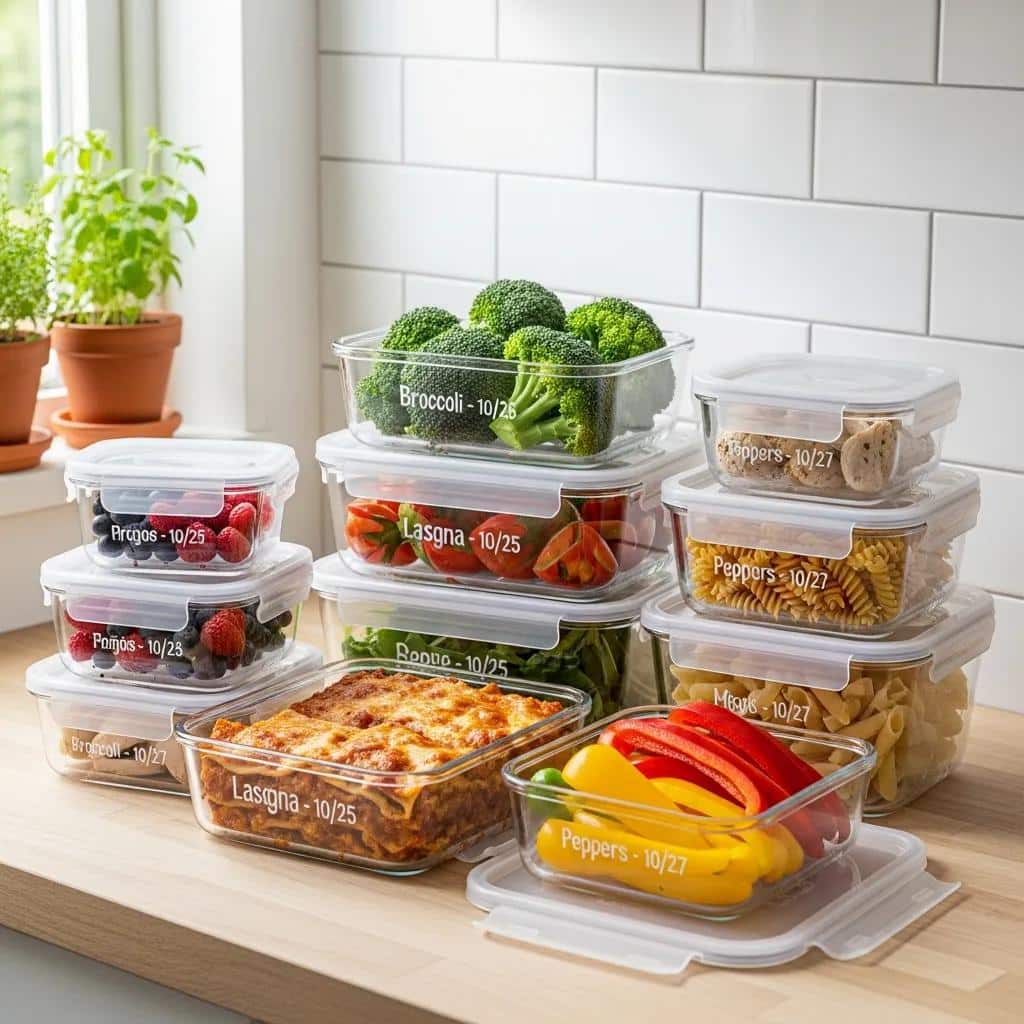
Small habits extend the life of your groceries. Try these:
- Use Airtight Containers: Keep cooked food fresh longer and avoid odors in the fridge.
- Label and Date: Mark containers so older items get eaten first.
- Repurpose Leftovers: Turn last night’s roast into a sandwich, salad, or soup for another meal.
These approaches reduce waste and help you get full value from every purchase.
How Tracking Expiry Dates Helps Your Food Budget
Keeping an eye on expiry dates lets you plan meals around foods that need to be used soon. That simple habit prevents spoilage and ensures you get the most from what you buy.
How Budgeting Apps Like CalendarBudget Help Control Grocery Spending
Budgeting apps make it easier to track grocery costs and plan ahead. They turn vague spending habits into clear actions you can manage.
How CalendarBudget’s Visual Money Planning Improves Your Food Budget
CalendarBudget shows your spending at a glance so you can spot patterns and find places to cut back. Seeing your grocery outflows visually makes it simpler to adjust habits and stay on budget.
Features That Help Forecast and Track Grocery Expenses Effectively
CalendarBudget includes tools that make grocery budgeting practical:
- Expense Tracking: Watch grocery spend in real time so you don’t overshoot.
- Budget Forecasting: Project future grocery needs based on past purchases.
- Custom Alerts: Get notified when you’re nearing your grocery limit so you can course-correct.
Use these features to build consistent savings and meet your food-budget goals.
Put these strategies into practice and you can cut your grocery expenses substantially—often by hundreds of dollars each year. With a little planning and the right tools, managing your food budget becomes simple and sustainable.







Leave A Comment