

Link Your Financial Accounts for Seamless Tax Returns
Filing your own taxes can seem daunting, but with the right guidance, it can be a straightforward process. This article will provide you with essential steps to successfully complete your tax return, maximizing your deductions and credits along the way. Understanding how to navigate the DIY tax filing landscape not only saves you money but also empowers you to take control of your financial situation. We will explore the necessary documents, how to organize your financial records, and the best tax software options available. Additionally, we will discuss key tips for self-employed individuals to ensure you are well-prepared for tax season.
What Are the Essential Steps to File Taxes Yourself?
Filing your taxes yourself involves several critical steps that ensure accuracy and compliance with tax regulations.
- Gather Necessary Documents: Collect all relevant tax documents, including W-2 forms, 1099 forms, and receipts for any deductions you plan to claim.
- Understand Tax Forms: Familiarize yourself with the different tax forms you may need, such as the 1040 form for individual income tax returns.
- Use Budgeting Tools for Tracking: Implement budgeting tools to help track your income and expenses throughout the year, making tax time easier.
Which Documents Do You Need for DIY Tax Filing?
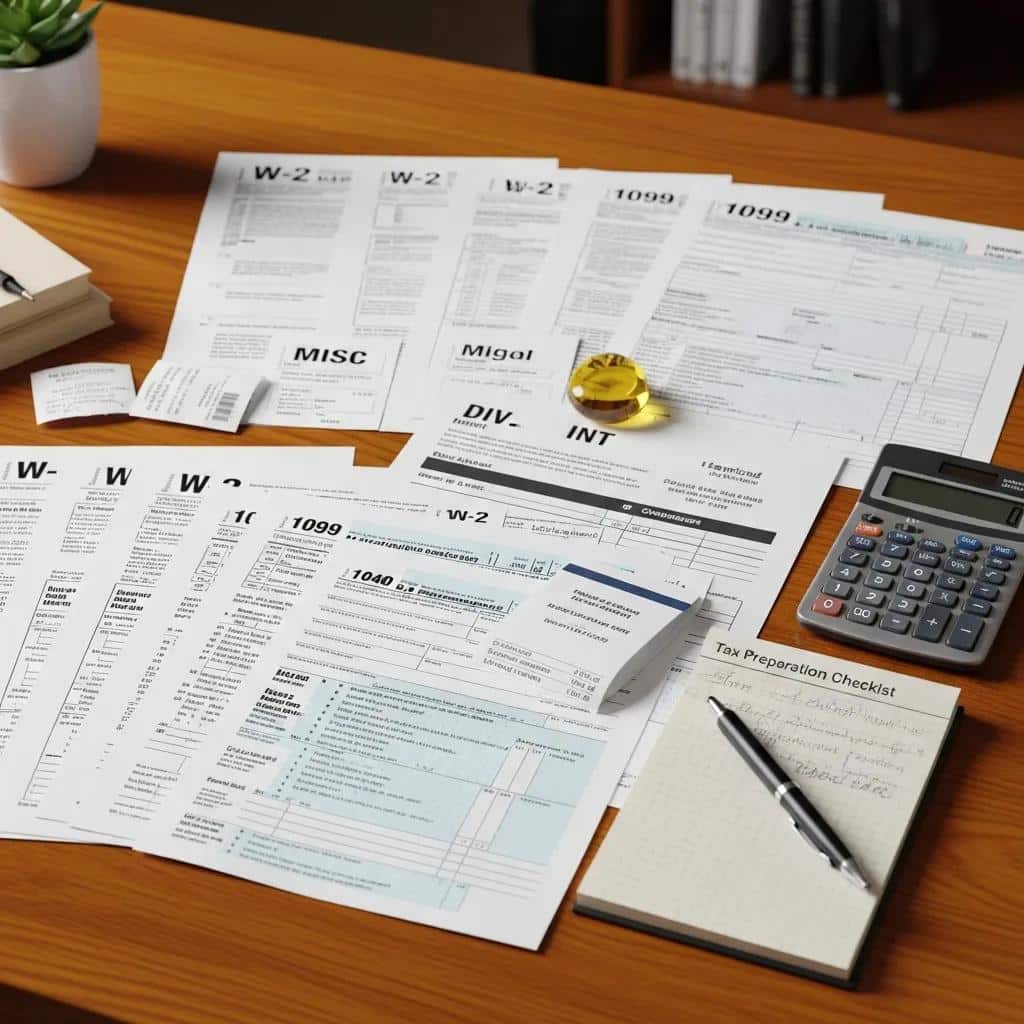
To file your taxes accurately, you will need specific documents that provide the necessary information about your income and deductions. Key documents include:
- W-2 Forms: These forms report your annual wages and the taxes withheld from your paycheck.
- 1099 Forms: If you are self-employed or received income from freelance work, you will need these forms to report that income.
- Receipts for Deductions: Keep receipts for any deductible expenses, such as medical expenses, charitable contributions, and business-related costs.
How to Organize Your Financial Records for Accurate Filing?
Organizing your financial records is crucial for accurate tax filing. Here are some effective strategies:
- Use of Spreadsheets: Create a spreadsheet to track your income and expenses throughout the year, categorizing them for easy reference.
- Use CalendarBudget for Tracking: Utilize CalendarBudget to set reminders for important tax deadlines and to visualize your financial data.
- Regular Updates: Make it a habit to update your records regularly to avoid last-minute scrambles during tax season.
How Can You Maximize Tax Deductions and Credits When Filing Yourself?
Maximizing your tax deductions and credits can significantly reduce your tax liability. Understanding what deductions you qualify for is essential.
- Identify Common Deductions: Familiarize yourself with common deductions such as mortgage interest, student loan interest, and medical expenses.
- Use Budgeting Tools to Track Expenses: Implement tools like CalendarBudget to categorize and track your deductible expenses throughout the year.
- Plan for Tax Credits: Research available tax credits that you may qualify for, such as the Earned Income Tax Credit or education credits.
What Are Common Tax Deductions Every DIY Filer Should Know?
Several deductions can help reduce your taxable income. Common deductions include:
- Charitable Contributions: Donations to qualified charities can be deducted from your taxable income.
- Home Office Deduction: If you work from home, you may qualify for a deduction based on the space used for business purposes.
- Medical Expenses: Certain medical expenses that exceed 7.5% of your adjusted gross income can be deducted.
How to Track Deductible Expenses Using Budgeting Tools?

Tracking your deductible expenses is vital for maximizing your tax return. Here are some methods:
- Using CalendarBudget: This tool allows you to categorize expenses and set reminders for important financial tasks.
- Setting Reminders: Schedule regular reminders to update your expense records, ensuring nothing is overlooked.
- Categorizing Expenses: Organize your expenses into categories to simplify the deduction process when filing your taxes.
What Are the Best Tax Software Options for Self-Filing?
Choosing the right tax software can streamline your filing process and help you maximize your deductions.
- Comparison of Features: Look for software that offers features like easy navigation, deduction finders, and e-filing options.
- User Reviews: Check user reviews to gauge the effectiveness and reliability of different tax software options.
- Pricing Options: Consider the cost of the software and any additional fees for e-filing or premium features.
Which Online Tax Filing Software Fits Different Needs?
Different tax software options cater to various needs. Here are some popular choices:
- TurboTax: Known for its user-friendly interface and comprehensive features, making it suitable for most filers.
- H&R Block: Offers robust support and a variety of plans for different tax situations.
- TaxAct: A cost-effective option that provides essential features for straightforward tax filing.
How to Integrate Your Budget Data with Tax Software for Seamless Filing?
Integrating your budgeting data with tax software can enhance accuracy and efficiency. Here’s how:
- Exporting Data from CalendarBudget: Use CalendarBudget to export your financial data for use while ntering data into your tax software.
- Importing into Tax Software: Most tax software allows you to import data from spreadsheets or other financial tools, simplifying the process.
- Ensuring Accuracy: Double-check that all imported data is accurate and complete to avoid errors in your tax return.
What Are Key Tips for Self-Employed Individuals Filing Taxes?
Self-employed individuals face unique challenges when filing taxes. Here are some essential tips:
- Managing Income and Expenses: Keep detailed records of all income streams and business-related expenses to ensure accurate reporting.
- Unique Deductions for Self-Employed: Familiarize yourself with deductions specific to self-employed individuals, such as home office and health insurance deductions.
- Record-Keeping Tips: Maintain organized records throughout the year to simplify the filing process.
How to Manage Income and Expenses for Self-Employed Tax Returns?
Managing your income and expenses effectively is crucial for self-employed tax filers. Consider these strategies:
- Tracking Income Streams: Use accounting software to track all income sources, ensuring nothing is overlooked.
- Expense Categorization: Categorize your expenses to make it easier to identify deductible items during tax season.
- Using Budgeting Tools: Implement tools like CalendarBudget to help manage your finances and set aside funds for taxes.
Which Tax Deductions Are Unique to Self-Employed Filers?
Self-employed individuals can take advantage of specific deductions that can significantly reduce their taxable income. Key deductions include:
- Home Office Deduction: If you use part of your home exclusively for business, you may qualify for this deduction.
- Health Insurance Premiums: Self-employed individuals can deduct health insurance premiums paid for themselves and their families.
- Business Expenses: Costs related to running your business, such as supplies, travel, and marketing, can be deducted.
Filing your own taxes can be a manageable task with the right preparation and tools. By gathering the necessary documents, understanding the tax forms, and utilizing budgeting tools, you can navigate the process confidently. Remember to maximize your deductions and credits, choose the right tax software, and stay organized throughout the year. With these strategies, you can take control of your tax filing and make informed financial decisions.






Leave A Comment