
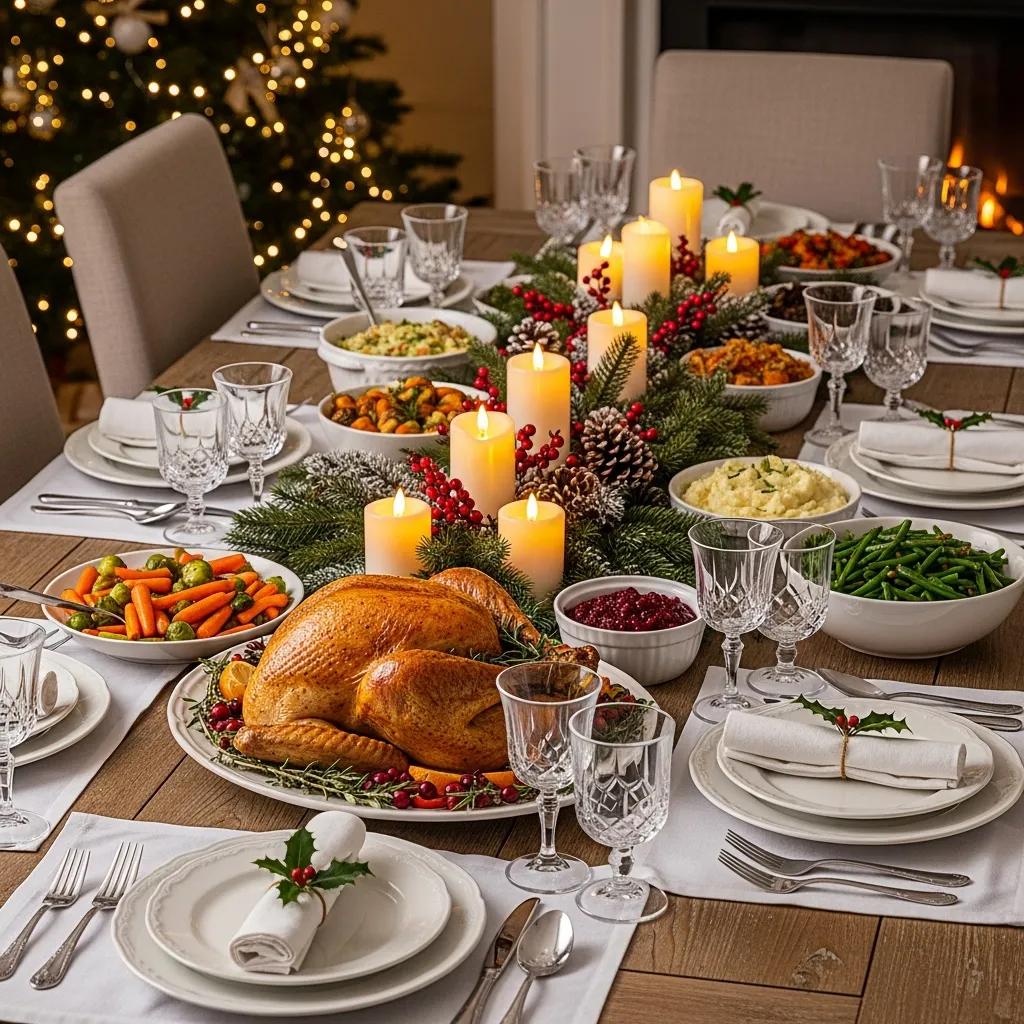
Slash Christmas Food Costs & Track Savings with CalendarBudget
The holiday season is full of celebration — and often unexpected food costs. Families can easily overspend on festive dinners, restaurant visits, and gatherings. This guide shows practical ways to manage your holiday meal budget so you can enjoy the food and company without the financial hangover. We cover typical Christmas dinner costs, grocery-saving strategies, and concrete tips to curb pricey food outings. With a few simple changes, you can keep your holiday spending under control and stress-free.
What’s the average Christmas dinner cost — and how does it affect your holiday budget?
The price of a Christmas dinner can shape your entire holiday plan. Recent estimates put the cost for a traditional Christmas meal at about $50 to $70 per family, including turkey or ham, sides, and desserts. Those dollars add up fast once you factor in gifts, decorations, and travel. Knowing these numbers makes it easier to plan and avoid surprises.
How do festive food expenses influence overall holiday spending?
Food often takes a big slice of the holiday budget. On average, families dedicate roughly 20% to 25% of their holiday spending to meals and food-related items. That share makes clear why meal budgeting matters: overspending on food can push the whole budget out of balance. Track your food costs and set a clear limit so you don’t get caught off guard.
This focus on planning lines up with advice from experts who recommend a holiday-specific budget.
Holiday Budgeting for Food & Expenses
Pick an early date in the season to set a budget. A holiday-specific plan helps you decide how much to allocate for gifts, decorations, food, travel and tips for service providers.
Don’t let credit card debt ruin your holidays., 2023
How can you save on holiday groceries without sacrificing the taste or feel of the meal?
Cutting grocery costs doesn’t mean dulling your holiday spread. With intentional planning and smarter shopping, you can serve memorable dishes while staying inside your budget.
What practical strategies help make Christmas grocery shopping more budget-friendly?

- Plan your meals: Build a clear meal plan for the season — appetizers, mains, sides and desserts. A checklist prevents impulse buys and ensures you only buy what you’ll actually use.
- Use coupons and discounts: Look for store promos, digital coupons and loyalty deals. Many retailers discount holiday staples — check flyers and apps before you shop.
- Buy in bulk: For non-perishables, buying larger quantities can lower unit costs. Stock up on staples like flour, sugar and canned goods when prices are right.
How does choosing seasonal ingredients cut holiday food costs?
Picking seasonal produce is one of the easiest ways to save. In-season fruits and vegetables are usually cheaper and fresher, which improves flavor and value. Winter squash and root vegetables, for example, are cost-effective and hearty for holiday menus. Whenever possible, buy local — it often reduces cost and supports nearby producers.
What practical Christmas spending tips can help you avoid overspending on food outings?
Keeping food costs in check during the holidays comes down to straightforward habits. Use these tips to enjoy meals out and at home without blowing your budget.
How can meal planning and potlucks lower festive dining expenses?

Meal planning and potlucks are simple, effective ways to reduce costs. When guests bring dishes, the expense and effort spread across the group — and the result is a richer, more varied table. Planning meals ahead also reduces last-minute takeout or restaurant runs, which can quickly inflate your spending.
How does tracking holiday food spending help prevent debt?
Recording your food expenses is one of the most powerful ways to stay on budget. A running log helps you spot where you’re overspending and lets you course-correct. Tools like the CalendarBudget app make it easy to visualize costs and stick to your plan. That kind of oversight is a solid defense against holiday debt.
Research also shows that regular expense tracking strengthens financial self-control and leads to better outcomes.
Expense Tracking for Holiday Spending Control
Many people set financial goals but face daily temptations that lead to overspending. Without self-control, those impulses can create negative financial outcomes. Expense-tracking acts as a form of financial self-monitoring and can support greater self-control and improved financial well-being.
Promoting Positive Financial Outcomes: The Role of Expense-Tracking as A Financial Self-Regulatory Behavior, 2024
Apply these strategies to control holiday food costs and still enjoy a festive table. The essentials are simple: plan ahead, track what you spend, and make thoughtful choices so the season stays joyful — not stressful — for your wallet.







Leave A Comment