Creating a Sustainable Budgeting Plan
Establishing a sustainable budgeting plan is crucial for long-term financial success. A sustainable budget not only helps individuals track their spending but also allows them to allocate funds towards savings and investments. By outlining a realistic budget that considers both fixed and variable expenses, users can create a financial roadmap that leads to achieving their financial goals.
To create a sustainable budget, consider employing the zero-based budgeting method, where every dollar is assigned a specific purpose, ensuring that income equals expenses. Additionally, regularly reviewing and adjusting the budget based on changing financial circumstances can help maintain its effectiveness. Tools like CalendarBudget can assist users in tracking their progress and making necessary adjustments seamlessly.
The Role of Emergency Funds in Budgeting
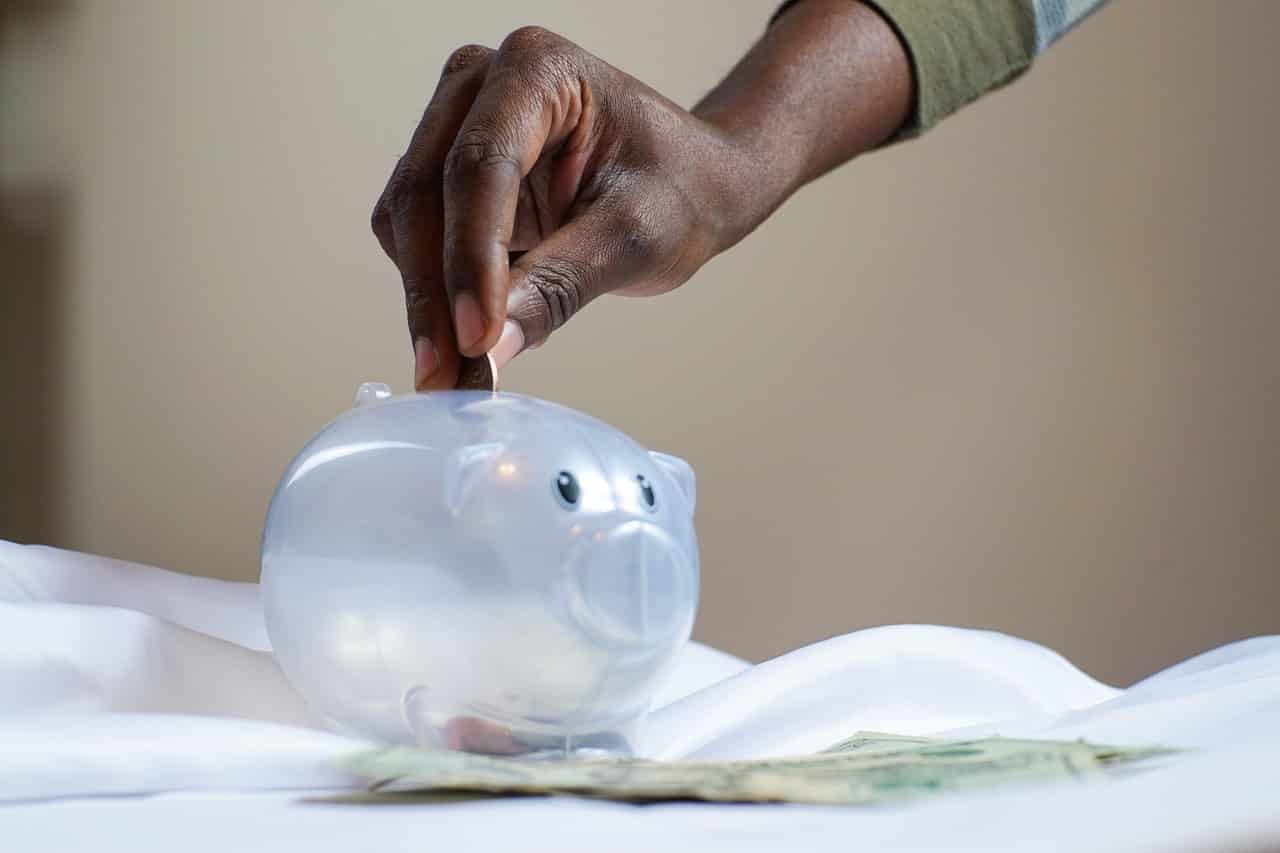
An emergency fund serves as a financial safety net, providing peace of mind and stability during unexpected situations. Having an emergency fund is a fundamental aspect of budgeting that protects individuals from falling into debt when faced with unforeseen expenses, such as medical bills or car repairs. It is generally recommended to save three to six months' worth of living expenses in this fund.
Building an emergency fund can be achieved by setting aside a small percentage of income each month until the desired amount is reached. This proactive approach not only safeguards against financial crises but also fosters a sense of financial security. Users can leverage budgeting tools to automate savings, ensuring that contributions to their emergency fund are consistent and prioritized.
Understanding Different Budgeting Methods
Familiarizing oneself with various budgeting methods can empower individuals to choose the approach that best fits their financial situation. Popular methods include the envelope system, where cash is allocated to different spending categories, and the 50/30/20 rule, which divides income into needs, wants, and savings. Each method has its strengths and can be adapted based on personal preferences and financial goals.
For instance, the envelope system works well for those who prefer a hands-on approach to managing their cash flow, while the 50/30/20 rule offers a straightforward framework for balancing spending and saving. Users should evaluate their spending habits and financial objectives to determine which budgeting method aligns best with their lifestyle, making adjustments as necessary to optimize their budgeting strategy.
Tips for Sticking to Your Budget
Sticking to a budget can be challenging, but implementing specific strategies can enhance adherence to financial plans. One effective tip is to set realistic and achievable goals, which helps maintain motivation and accountability. Additionally, tracking expenses regularly and reviewing budget performance can highlight areas for improvement and reinforce positive spending habits.
Another strategy involves creating a reward system for achieving budgeting milestones, such as treating oneself after successfully saving a certain amount. Engaging family members or friends in the budgeting process can also provide support and encouragement. By fostering a community around budgeting, individuals can share tips and celebrate successes, making the journey towards financial stability more enjoyable.