

Bicycle Budget: How to Choose and Fund Your Cycling Adventure
Planning a bike purchase with a clear budget makes every ride more fun and far less stressful. This guide walks you through the practical steps of budgeting for a bicycle — from the upfront cost of the bike itself to recurring expenses like maintenance and gear. Many riders skip budgeting and end up overspending or scrambling for repairs later. Follow these tips to allocate funds for your bike, the must-have accessories, upkeep, and financing choices so you can ride confidently and within your means.
How Much Should You Budget for Buying a Bicycle?
To set a realistic budget, start by understanding how prices vary across bike types. A bike’s cost depends on its category, brand, and features, so knowing the typical ranges helps you decide what makes sense for your goals and wallet.
What Are the Price Ranges for Different Types of Bikes?
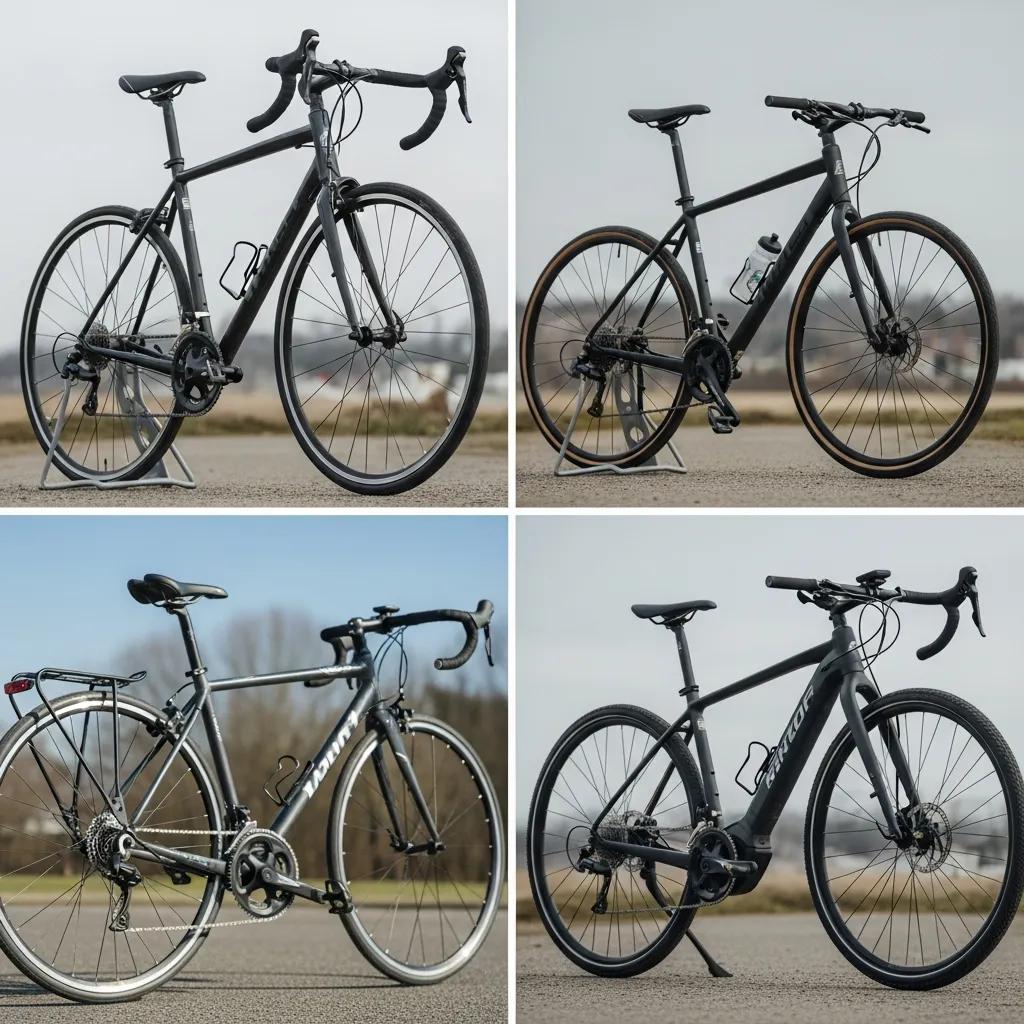
Bike prices differ by type. Entry-level road bikes usually start around $700, while top-tier road models can exceed $5,000. Mountain bikes typically range from $600 to $4,500 depending on components and build. E-bikes, with their motor assistance, commonly fall between $1,200 and $6,000. Use these ranges as a baseline to choose a bike that fits how and where you’ll ride.
Should You Buy a New or Used Bicycle to Maximize Your Budget?
Choosing new versus used changes the math. New bikes bring warranties and the latest tech but cost more; used bikes often sell for 30–50% less. If you buy used, inspect the frame, drivetrain, and suspension (if applicable) for wear so you don’t inherit expensive repairs. Your decision should balance upfront savings against how much value you place on warranty, condition, and updated features.
How to Budget for Essential Cycling Gear and Accessories
Beyond the bike, plan for gear that keeps you safe and comfortable. Budgeting for a few key items up front prevents surprise purchases and improves the riding experience from day one.
Which Budget-Friendly Cycling Gear Is Necessary for Beginners?
Beginners should prioritize a properly fitting helmet, padded shorts, and reliable shoes. Carry a basic repair kit — tire levers, a pump, and a multi-tool — so minor issues don’t end a ride. These essentials are small investments that deliver big gains in safety and comfort.
When and How Should You Budget for Upgrading Cycling Accessories?
You’ll likely upgrade accessories as your riding grows. Look for signs like discomfort, frequent component failure, or a desire for better performance. Save gradually — put aside a little each month — so you can afford higher-quality gear when it matters most. Prioritize upgrades by how often you ride and which parts affect comfort or safety first.
How Can You Plan and Manage Bike Maintenance Costs Effectively?
Regular maintenance keeps your bike reliable and extends its life. Knowing typical service costs lets you build a maintenance line into your budget and avoid surprise bills.
What Are the Typical Annual Maintenance Costs for a Bicycle?
Maintenance spending varies with use and bike type, but a good rule of thumb is $100–$400 per year for routine care: tune-ups, brake adjustments, and occasional tire or part replacements. Track these expenses so you can plan ahead and avoid last-minute surprises.
How to Save Money with DIY Maintenance Versus Professional Services?
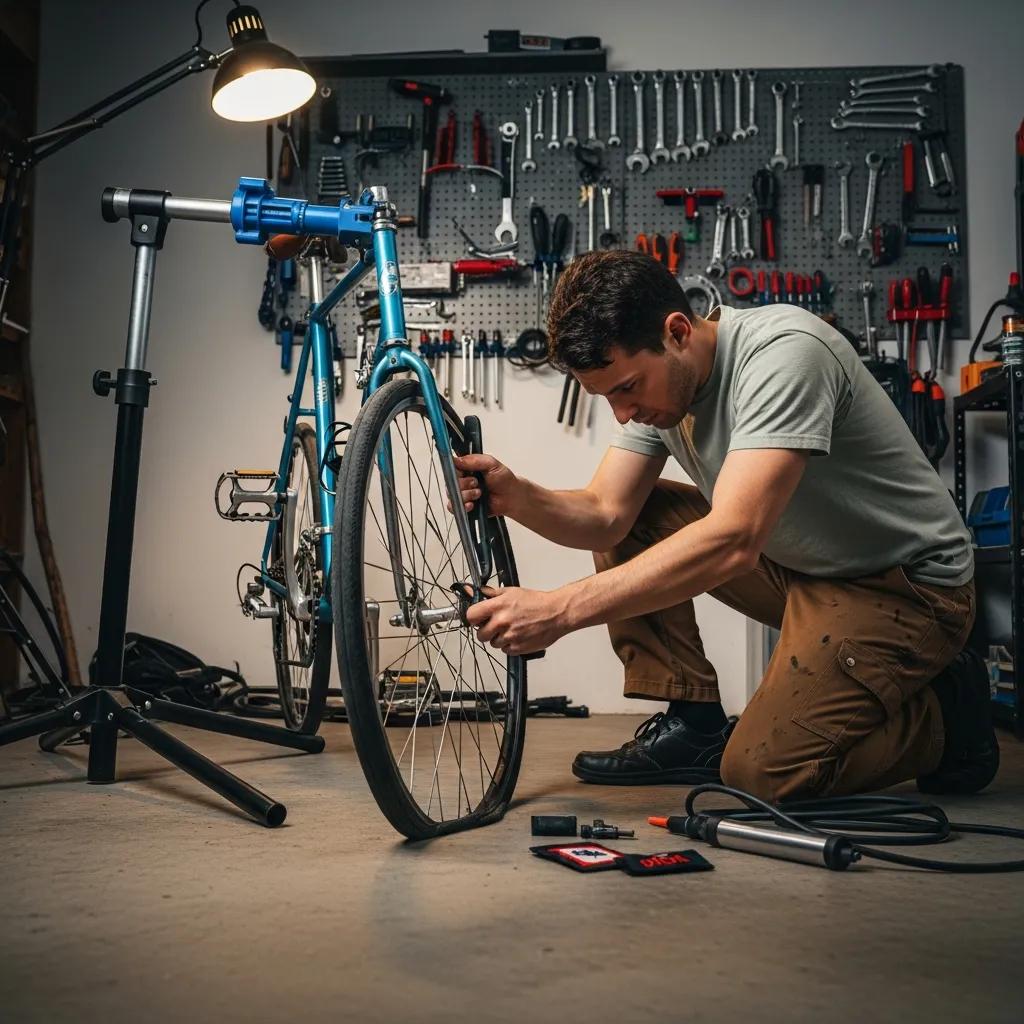
Doing simple maintenance yourself — fixing flats, lubing the chain, and basic adjustments — cuts costs and keeps you rolling. For more complex jobs like wheel truing or drivetrain rebuilds, professional service is worth the investment. A mix of DIY for routine care and pro service for big jobs usually gives the best balance of savings and reliability.
What Financing Options Are Available to Fund Your Bicycle Purchase?
If the bike you want sits above your immediate budget, financing can bridge the gap. Understand options so you choose one that fits your financial plan.
What Are the Benefits of 0% APR and Payment Plans for Bicycles?
Retailers often offer payment plans and sometimes 0% APR promotions that let you spread the cost without interest for a set term. These plans make higher-quality bikes more accessible without a large upfront payment — but always read terms carefully to avoid late fees or deferred-interest traps.
How Can the CalendarBudget App Help You Manage Bicycle Financing and Savings?
CalendarBudget helps you set a savings goal for your bike, track progress, and schedule payments so you don’t miss deadlines. Visualizing your cash flow and categorizing cycling expenses makes it easier to plan for both the initial purchase and ongoing costs, keeping your cycling goals on track.
Knowing typical prices and features helps you match a bike to your budget and riding goals. Use the table above as a quick reference when comparing options.
Buying a bicycle is an investment in time, health, and fun. With a clear budget for the bike, gear, maintenance, and financing, you’ll make choices that support years of enjoyable riding. Tools like CalendarBudget simplify the planning so you can focus on the ride.
Frequently Asked Questions
What factors should I consider when choosing a bicycle type?
Think about where you’ll ride, how fast you want to go, and how comfortable you need to be. Road bikes suit paved routes and speed; mountain bikes handle rough trails; hybrids balance comfort and versatility. Check frame size and test-ride different models to find what feels right for your body and goals.
How can I budget for cycling events or races?
Factor in registration fees, travel, lodging, and any gear upgrades you’ll need. Estimate total costs, then save a set amount each month leading up to the event. Include training expenses like nutrition or coaching if those apply — planning ahead prevents last-minute compromises.
What are some tips for maintaining a bicycle on a budget?
Keep the bike clean, lube the chain regularly, and check tire pressure before rides. Buy a few basic tools (multi-tool, tire levers) and learn simple repairs. Local bike groups and online tutorials are great free resources that help you save on shop visits.
How can I find discounts or deals on bicycles and gear?
Sign up for newsletters from local shops and online retailers for sale alerts. Shop end-of-season or major sale events, and check second-hand marketplaces for quality used gear. Comparing prices across sellers ensures you’re getting the best value.
What should I do if my budget doesn’t allow for a new bicycle?
Look for a well-maintained used bike, explore retailer payment plans, or see if local community programs offer affordable options. Prioritize the features you need, be patient, and you can find a reliable bike that fits your current budget.
How can I track my cycling expenses effectively?
Use CalendarBudget or a simple spreadsheet to log purchases and categorize spending (bike, gear, maintenance, events). Review monthly to spot trends and set limits for each category. Consistent tracking makes it easy to adjust your plan and reach your cycling goals.



Leave A Comment