

Top Bartering Resources and CalendarBudget Links
In an increasingly digital world, bartering has evolved from a simple exchange of goods and services into a system that leverages technology for smarter financial management. This article explores the concept of digital bartering, its evolution, and how it can be effectively integrated into personal finance strategies. Readers will learn about the benefits of cashless trade platforms, the best online barter platforms available today, and how to incorporate bartering into their budgeting practices. As financial pressures mount, understanding how to utilize bartering can provide a viable solution to save money and avoid debt. We will also discuss the legal and financial considerations that come with engaging in a barter economy.
What Is Digital Bartering and How Has It Evolved in the High-Tech World?
Digital bartering refers to the exchange of goods and services through online platforms without the use of cash. This modern approach has evolved significantly from traditional barter systems, which relied on direct exchanges. The advent of technology has facilitated peer-to-peer transactions, allowing users to trade items and services more efficiently. Digital platforms enhance the efficiency of these exchanges by providing a structured environment where users can list their offerings and find suitable matches.
How Does Digital Bartering Differ from Traditional Barter?
Digital bartering differs from traditional barter in several key ways. Firstly, traditional barter requires a direct exchange of goods or services, which can be limiting and often leads to mismatches in value. In contrast, digital bartering platforms allow users to list their offerings and browse a wider range of options, making it easier to find a suitable trade. Additionally, digital systems often incorporate user ratings and reviews, enhancing trust and transparency in transactions. This technological advancement not only streamlines the process but also expands the potential for successful exchanges.
What Are the Key Benefits of Cashless Trade Platforms?

Cashless trade platforms offer numerous advantages that enhance the bartering experience. Here are some key benefits:
- Cost Savings: Users can save money by trading services or goods they no longer need instead of purchasing new items.
- Convenience: Digital platforms provide a user-friendly interface for listing and searching for trades, making the process quick and efficient.
- Community Building: Bartering fosters a sense of community as users connect with others who share similar interests and needs.
These benefits illustrate how cashless trade platforms can transform the way individuals manage their resources and finances.
This global shift towards digital transactions and cashless economies is further explored in recent studies.
Rise of Cashless Economies & Digital Payments
In recent years, there has been a notable acceleration in the global trend towards cashless economies. This phenomenon can be attributed to the progress made in technology and the evolving preferences of consumers. This study investigates the increasing prevalence of cashless economies globally and its ramifications for diverse stakeholders. The paper commences by elucidating the primary factors that contribute to the expansion of cashless transactions. The article examines the impact of digital payment technologies, including mobile wallets, contactless cards, and online payment platforms, on the convenience, security, and efficiency of financial transactions. Moreover, this study examines the advantages and obstacles linked to cashless economies. The text examines the benefits that consumers can derive from a particular subject, encompassing factors such as convenience, improved access to financial services, and decreased expenses associated with transactions.
A look at the rising popularity of cashless economies around the world, 2023
Which Online Barter Platforms and Apps Facilitate Modern Trading Services?
Several online platforms and apps have emerged to facilitate modern bartering, each offering unique features that cater to different user needs. These platforms enable users to trade a variety of goods and services, from household items to professional skills.
What Features Should You Look for in Bartering Apps?
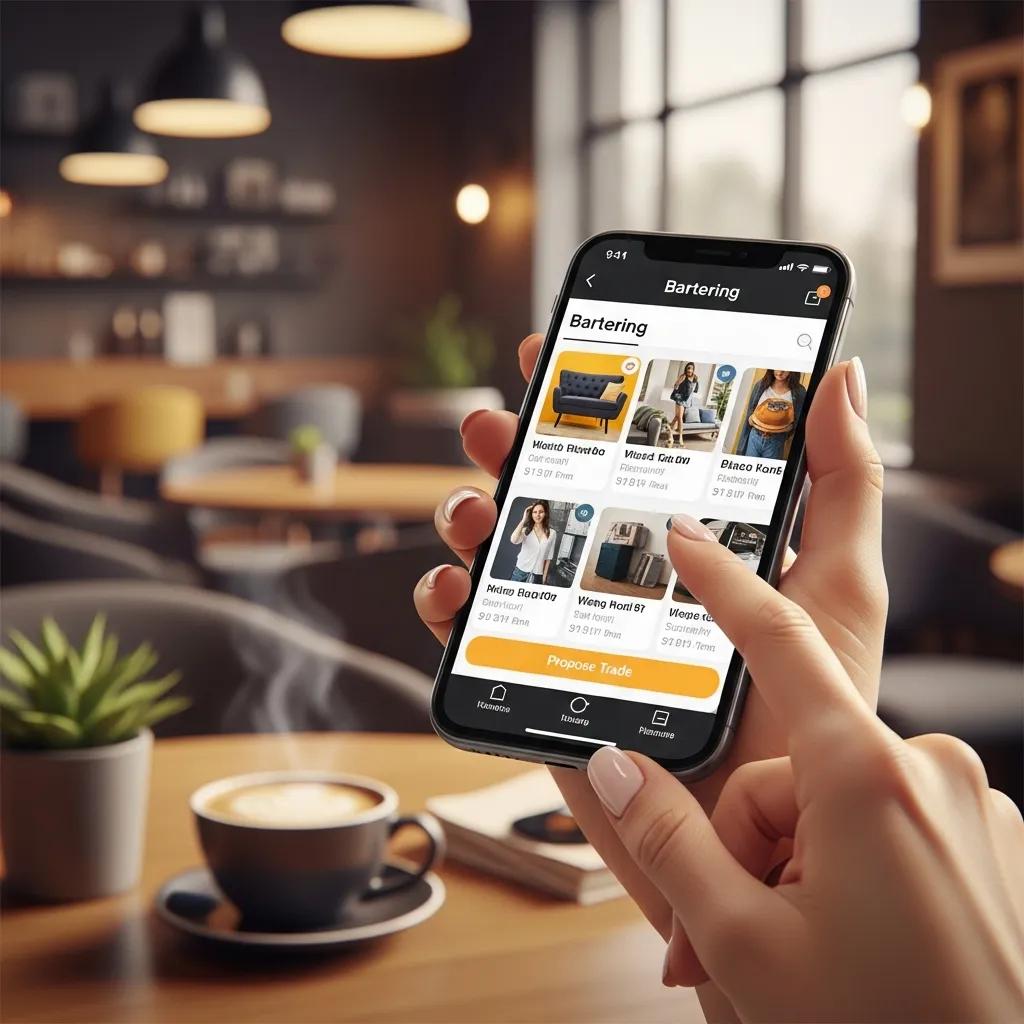
When selecting a bartering app, consider the following essential features:
- User Interface: A clean and intuitive design enhances user experience and makes navigation easier.
- Matching Algorithms: Effective algorithms help users find suitable trades quickly, increasing the likelihood of successful exchanges.
- Security Features: Robust security measures protect user data and ensure safe transactions.
How Do AI and Technology Improve Barter Matching?
AI and technology play a crucial role in improving barter matching by analyzing user preferences and transaction histories. These systems can suggest potential trades based on past interactions, making the process more efficient. Additionally, AI can help identify trends in user behavior, allowing platforms to optimize their offerings and enhance user satisfaction.
The potential of advanced technologies like blockchain to further secure and optimize digital bartering systems is a significant area of innovation.
BarterChain: Blockchain for Secure Digital Bartering
This paper introducesBarterChain, a blockchain-powered online bartering system designed to revolutionize digital commerce.BarterChaintranscends the limitations of traditional barter and e-commerce platforms by establishing a trustless, secure, and globally accessible infrastructure for exchanging goods and services. Fundamentally,BarterChainuses an intelligent matching algorithm powered by blockchain technology to solve the problem of the “double coincidence of wants”, while blockchain ensures transaction security, transparency, and immutability. This eliminates reliance on fiat currency, reducing fraud risks.
Barterchain: a blockchain-based barter system in smart cities, MI Alam, 2025
How Can You Integrate Bartering into Your Personal Budget Using CalendarBudget?
Integrating bartering into personal budgeting can be a strategic way to manage finances effectively. By tracking bartered services and goods, individuals can gain a clearer picture of their financial situation and make informed decisions.
What Are the Best Practices for Tracking Bartered Services and Goods?
To effectively track bartered services and goods, consider these best practices:
- Maintain a Record: Keep detailed records of all bartered transactions, including the fair market value of goods and services exchanged.
- Use Budgeting Tools: Leverage budgeting apps like CalendarBudget to categorize and monitor bartered items alongside traditional expenses.
- Review Regularly: Periodically assess your bartering activities to identify patterns and adjust your strategies accordingly.
How Does Bartering Help Save Money and Avoid Debt?
Bartering can significantly contribute to financial health by reducing the need for cash transactions. For instance, individuals can trade skills, such as graphic design or tutoring, for services they require, such as home repairs or personal training. This not only saves money but also helps avoid accumulating debt, as users can fulfill their needs without financial outlay.
What Are the Legal and Financial Considerations of Bartering in a Digital Economy?
Engaging in bartering within a digital economy comes with its own set of legal and financial considerations. Understanding these aspects is crucial for anyone looking to participate in this alternative financial system.
Is Bartering Income Taxable and How Should You Report It?
In many jurisdictions, bartering is considered taxable income. The IRS requires individuals to report the fair market value of goods and services received through barter transactions. It is essential to keep accurate records of all trades to ensure compliance with tax regulations.
What Risks Should You Manage When Trading Services Online?
When trading services online, users should be aware of potential risks, including:
- Fraud: Ensure that you verify the identity and credibility of trading partners to avoid scams.
- Quality Assurance: Assess the quality of goods and services being offered to prevent dissatisfaction.
- Legal Issues: Be aware of local laws regarding bartering to avoid legal complications.
By understanding these risks and taking appropriate precautions, individuals can engage in bartering more confidently and securely.








Leave A Comment