

Eating Out Budget Tips — Do You Eat Out Too Much? How to Save on Food with CalendarBudget
Eating out is enjoyable, but it can quietly stretch your budget. If you’re asking whether you eat out too much, this guide will help you spot the signs, curb overspending, and build simple habits that save money. You’ll also see how CalendarBudget can make tracking dining costs straightforward. Sections cover how to recognize overspending, practical saving strategies, useful apps, and easy meal-planning techniques.
What Are the Signs You Eat Out Too Much?
Knowing the signs of overspending on dining is the first step to taking control of your money. Regular restaurant meals or frequent takeout can add up fast — spotting the pattern lets you make smarter choices.
How to Recognize Overspending on Dining Expenses
Start by tracking your monthly dining charges. Compare that total to your overall budget and your discretionary spending. If dining consistently eats a large slice of your discretionary money, it’s a clear signal to reassess your habits.
What Behavioral and Emotional Factors Lead to Frequent Eating Out?
Emotional triggers like stress, boredom, or social habits often push people toward eating out. Convenience is another big factor — when life gets busy, takeout looks easier than cooking. Identifying these triggers helps you make more intentional choices about when to dine out.
These personal and social influences matter for budgeting; researchers continue to study what drives people’s dining-out decisions and how those patterns vary across groups.
Factors Influencing Personal Dining-Out Expenses
This study classified generations into Generation X and Generation MZ using the 2019 consumer behavior survey for food by the Korea Rural Economic Institute (KREI) and then examined the factors influencing group and personal dining-out expenses.
The factors affecting dining-out expenses by Generation X and Generation MZ based on a Tobit model, 2021
How Can You Save Money on Food by Reducing Eating Out?
Cutting back on dining out can free up cash and often leads to healthier meals. Below are practical tactics that make it easier to spend less without feeling deprived.
What Are Effective Eating Out Budget Tips?

- Set a Dining Budget: Decide on a clear monthly limit for eating out so you know when to pause and reassess.
- Look for Deals and Discounts: Use restaurant promos, coupons, and loyalty perks to get more value when you do go out.
- Limit Dining Out Frequency: Cut the number of restaurant meals each week or month — start small and build from there.
Pair these habits with a tool like CalendarBudget to track dining spend and spot where you can trim costs.
How Does Meal Planning Help Cut Down Dining Expenses?
Meal planning reduces last-minute takeout and saves money by letting you buy and use ingredients efficiently. Planning also supports healthier meal choices and steadier grocery spending.
Research shows that planning, reframing takeaway as costly or unhealthy, and setting personal rules are effective ways to cut back on takeout.
Strategies to Reduce Takeaway Food Spending
Participants reframed takeaway food as negative (expensive and unhealthy) and saw reducing such consumption — or choosing healthier alternatives — as a positive self-care choice. Setting goals, making personal rules around consumption, and practical changes like planning grocery trips were other successful strategies.
“Doing a good thing for myself”: a qualitative study of young adults’ strategies for reducing takeaway food consumption, AC Grunseit, 2019
- Avoiding Takeout: Planning meals ahead makes it easier to cook at home instead of ordering last minute.
- Cost Savings: Home cooking is usually cheaper per meal, so you can reallocate what you save elsewhere in your budget.
- Healthier Choices: Planning lets you pick nutritious ingredients and control portions.
Which Are the Best Budgeting Apps for Food Expense Tracking?
How Does CalendarBudget Help Track and Visualize Dining Expenses?
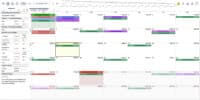
CalendarBudget gives a clear calendar view of upcoming income and bills so you can see how dining fits into your month. Tag dining expenses, watch patterns over time, and spot days when you might trim spending — all in a visual, easy-to-scan layout.
How to Set Realistic Food Budgets Using CalendarBudget
- Assess Your Spending: Look back at past dining charges to understand where your money goes.
- Set a Monthly Budget: Choose a realistic monthly dining limit that supports your bigger financial goals.
- Monitor and Adjust: Track actual spending against the budget and tweak as your routine changes.
How to Implement Meal Planning on a Budget to Reduce Takeout?
What Smart Grocery Shopping Tips Support Budget-Friendly Meal Planning?

- Create a Grocery List: Write what you need for the week’s meals to avoid impulse buys.
- Buy in Bulk: Stock up on staples to lower cost per use.
- Choose Seasonal Produce: Seasonal fruits and vegetables are often cheaper and fresher.
How to Minimize Food Waste While Cooking at Home
- Proper Food Storage: Use airtight containers and label leftovers to extend freshness.
- Use Leftovers Creatively: Turn yesterday’s meal into today’s lunch or a new dish to avoid waste.
- Plan for Leftovers: Cook extra intentionally so you have ready-made meals and fewer last-minute orders.
This table summarizes straightforward strategies for managing dining expenses and the benefits each one delivers.
Put these tips into practice and use CalendarBudget to track your progress. With a few small changes you’ll save money, make healthier choices, and feel more in control of your finances.







Leave A Comment