

Use CalendarBudget to Track Lottery vs Holiday Expenses
Choosing between buying lottery tickets and saving for a holiday is a common dilemma. This guide walks through the financial trade-offs so you can make a decision that fits your goals. We’ll cover the real odds of winning, why saving usually gives more reliable value, and practical ways to balance discretionary spending between gambling and travel. If impulsive purchases have hurt your budget before, these ideas will help you plan with more confidence.
Lottery odds and the real cost to your finances
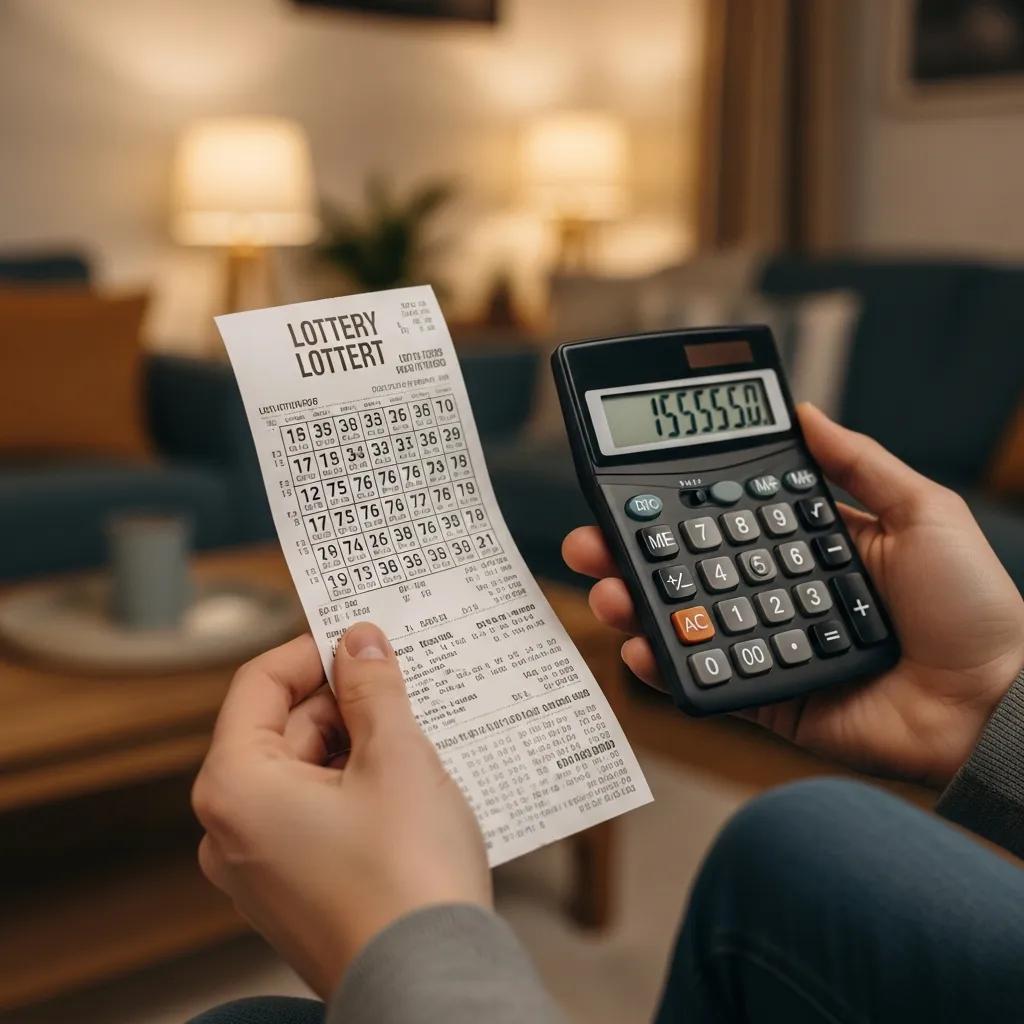
Lotteries are sold as a path to a big payday, but the numbers tell a different story. Before you spend, it helps to understand the odds and the likely financial outcome.
How likely are you to win? Understanding lottery odds and risks
Odds vary by game, but many large lotteries have extremely long odds. For example, some jackpots—like Powerball in the U.S.—can have odds as long as 1 in 292.2 million. That gap between expectation and reality is why lottery play is a high-risk way to try to change your financial situation. Many players underestimate how unlikely a win is, which can lead to unrealistic hopes and repeated losses over time.
Is buying lottery tickets a smart investment compared to saving?
From a pure finance view, lottery tickets usually aren’t a good investment. The expected return is typically negative, so over time you’re likely to spend more than you get back. Saving for a trip, on the other hand, builds toward a guaranteed outcome—an experience you plan and enjoy. Financial advisers usually recommend prioritizing steady savings if your goal is long-term stability rather than a long-shot windfall.
How to budget and save effectively for a vacation

Planning a holiday takes a little discipline, but small, consistent steps make it achievable. Clear goals and a tracking method keep you on course so you arrive at the trip without financial stress.
Practical steps to budget for a holiday trip
- Set a vacation budget: Figure out what the trip will realistically cost and what you can afford without cutting essentials.
- Break down savings goals: Divide the total into monthly or weekly targets so the goal feels manageable.
- Use budgeting tools: Track your progress with an app or a simple spreadsheet to keep momentum and spot where you can trim spending.
Consistent budgeting isn’t glamorous, but it’s the foundation of lasting financial control.
Effective Budgeting for Personal Financial Stability
Managing your money through budgeting and saving is central to financial stability. A clear budget helps you monitor cash flow, make sure essentials are covered, and find areas to reduce spending. It also supports setting short- and long-term goals and builds the discipline needed for better financial outcomes.
Budgeting and Saving Effectiveness as the Main Pillar of Sustainable Personal Financial Management, T Prakoso, 2024
How visual budgeting keeps vacation savings on track
Visual tools—charts, progress bars, and day-by-day balance views—make saving concrete. Seeing progress at a glance keeps motivation high and highlights small adjustments that speed you to your target.
Saving for travel is more than ticking a box; it’s about planning to enjoy the trip without borrowing or stress.
Smart Budgeting & Saving for Vacation Travel
This work highlights practical budgeting and saving tactics for travel, including ways to rebuild savings after a trip and avoid taking on excessive debt to pay for vacations.
Travel Smart, Spend Smart: The Intersection of Tourism and Financial Planning, 2024
How to split discretionary spending between gambling and travel
Keeping leisure spending balanced is key to enjoying both hobbies and financial peace of mind. A simple framework helps you decide how much fun money to allow—and where to put it.
How the 50/30/20 rule can guide your fun money
The 50/30/20 rule is an easy starting point for dividing income:
- 50% for essentials: housing, food, bills.
- 30% for wants: entertainment, hobbies, and occasional gambling.
- 20% for savings and investments.
Using this framework helps you enjoy leisure without sacrificing future goals. Adjust the percentages to fit your life, but use them as a practical baseline.
When you treat discretionary income intentionally, it becomes a tool for balance instead of a source of regret.
50/30/20 Budget Rule for Discretionary Spending
Use your discretionary income intentionally: split your budget into three buckets so you can enjoy life now while still saving. These percentages are guidelines—not rigid rules—and can be tweaked to match your priorities and goals.
Own Your Money: Practical Strategies to Budget Better, Earn More, and Reach Your 6-Figure Savings Goals, 2023
Balancing lottery spending and a travel fund for healthier finances
If you want to keep gambling as part of your leisure, set a hard limit—decide an amount you’re willing to lose and treat it like entertainment. Put the rest into a dedicated travel fund. Check your budget regularly and shift money between categories as priorities change.
How a personal finance app can help you make better money choices
Budgeting apps take the guesswork out of planning. They show where your money goes, help you set realistic goals, and make it easier to stick to limits for both gambling and travel.
How CalendarBudget helps you visualize and plan your savings
CalendarBudget uses a visual, calendar-style view so you can see your projected bank balance day by day. That clarity helps you plan vacations and control discretionary spending without surprises—so you stop guessing and start feeling in control.
Benefits of using a budgeting app for leisure spending
A tool like CalendarBudget makes it simple to set spending limits, track leisure categories, and spot trends before they become problems. When you monitor both travel savings and gambling expenses, you make choices with data—not impulse.








Leave A Comment