

Property Taxes Simplified: Calculating, Reading & Budgeting
Property taxes are a regular part of owning a home and can meaningfully affect your household budget. Knowing how those taxes are figured and what they mean for your cash flow makes planning easier. This guide walks through how property taxes are calculated, how to read your tax bill, common exemptions, and what to do if you want to appeal. By the end, you’ll feel more confident factoring property taxes into your budget.
What Are Property Taxes and How Are They Calculated?
Property taxes are charges from local governments on real estate that help pay for services like schools, roads, and emergency responders. To calculate your bill, officials typically determine your property’s assessed value and then apply a tax rate — often shown as a millage rate or percentage. Understanding these two pieces helps you estimate what you’ll owe.
What Is the Assessed Value and How Does It Affect Your Tax Bill?
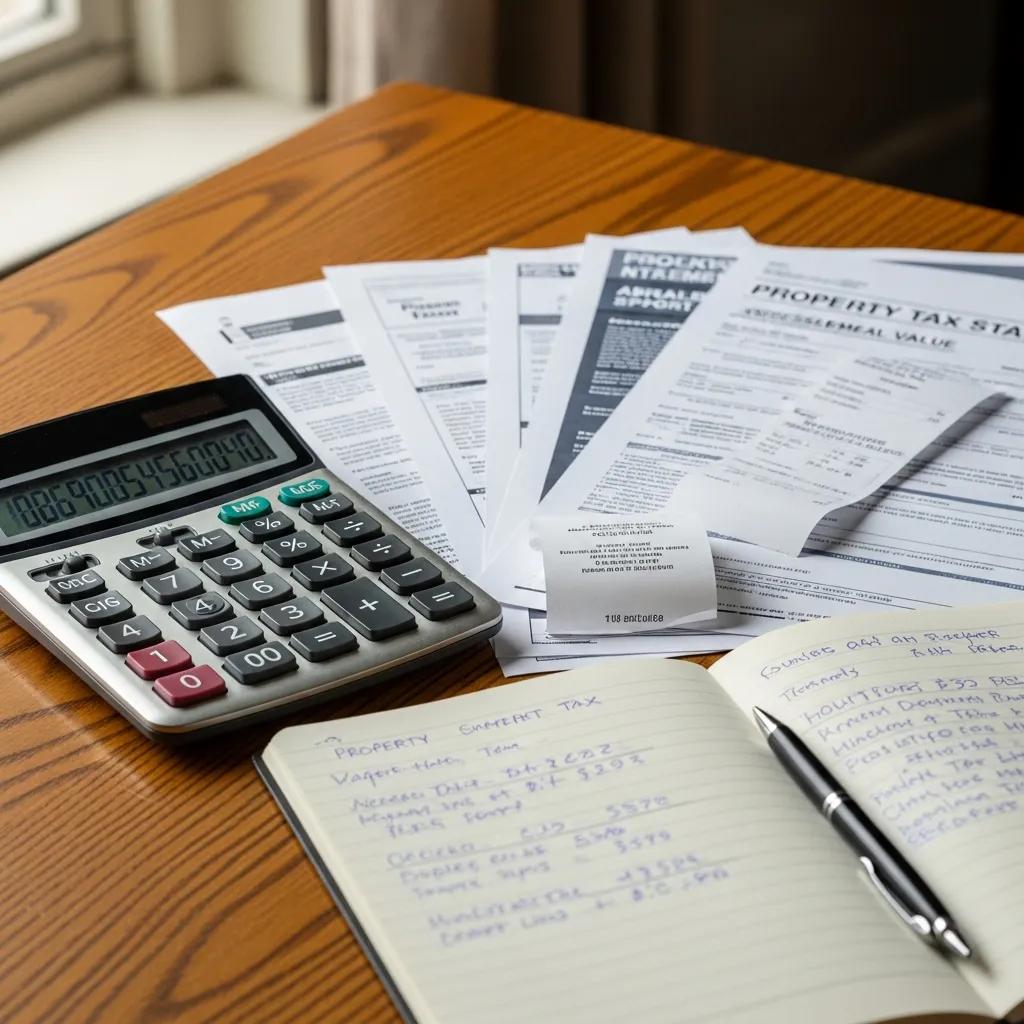
The assessed value is the dollar amount a local assessor assigns to your property and it’s the base used to calculate taxes. Assessments take into account market value, location, and any improvements. When the assessed value rises, your tax bill usually does too — so it helps to know how your property was evaluated.
How Do Millage Rates and Tax Rates Determine Your Property Tax?
Millage rates represent the amount of tax charged per $1,000 of assessed value. Local governments set these rates to fund their budgets. For example, with an assessed value of $200,000 and a millage rate of 20 mills, the tax would be: (200,000 / 1,000) * 20 = $4,000. Knowing your local rate makes it easier to estimate your tax liability.
How Can You Understand and Interpret Your Property Tax Bill?
Tax bills can look complicated, but they usually list the same core items: assessed value, the tax or millage rate, and any exemptions applied. Learning these sections helps you see how the final amount was reached and spot possible errors.
What Key Terms and Sections Should Homeowners Know?
Homeowners should be familiar with a few common terms on their tax bill:
- Assessed Value: The dollar amount your local assessor uses for tax calculations.
- Millage Rate: The tax rate expressed per $1,000 of assessed value.
- Exemptions: Legal reductions in taxable value that lower what you owe.
When Are Property Taxes Due and What Are Payment Options?
Due dates vary by location but taxes are typically billed annually or semi‑annually. You’ll often be able to pay online, by mail, or in person. Missing a deadline can trigger penalties or interest, so mark your calendar or set a reminder.
What Property Tax Exemptions and Relief Programs Are Available?
Many areas offer exemptions or relief programs that reduce property taxes for eligible homeowners. These programs can make a meaningful difference in what you owe, so it’s worth checking what your local tax office offers.
Who Is Eligible for Common Exemptions Like Homestead and Senior Relief?
Common programs include homestead exemptions, which lower the taxable value of a primary home, and senior relief programs for older homeowners. Eligibility usually depends on factors such as residency, age, income, or disability status. Check with your local tax authority for the exact rules in your area.
How Do You Apply for Exemptions and Tax Relief Programs?
To apply, you typically submit an application to your local tax assessor or county office and may need to provide documents like proof of age, income, or residency. Pay attention to application deadlines so you don’t miss out on benefits.
How Can You Appeal Your Property Tax Assessment?

If you think your property has been assessed for too much, you can appeal the assessment. The appeal process exists so homeowners don’t pay more than their fair share.
What Steps Are Involved in the Property Tax Appeal Process?
The appeal process typically follows a few clear steps:
- Review Your Assessment: Check the details on your assessment for errors or outdated information.
- Gather Evidence: Assemble comparable sales, photos, and documentation that support a lower value.
- File an Appeal: Submit your appeal to the local tax authority before the deadline and follow their required procedure.
Knowing these steps ahead of time makes the process less stressful and more effective.
What Strategies Help Improve Your Appeal Outcome?
Try these practical tactics to strengthen your appeal:
- Research Comparable Properties: Use recent sales of similar homes to show your assessment may be too high.
- Document Evidence: Include clear records, photos, and inspection notes to back up your claim.
- Present Your Case Effectively: Summarize your evidence clearly and stick to facts during any hearing.
Applying these strategies can increase the chance of a favorable result on appeal.
Understanding these parts helps you plan and manage property tax costs more confidently.
Property taxes are a recurring part of homeownership that benefit from a little attention. By learning how taxes are calculated, how to read your bill, and what exemptions or appeals are available, you can make smarter budgeting decisions. Tools like CalendarBudget can also help you set aside money for taxes so you’re never caught off guard.
Frequently Asked Questions
What happens if I miss my property tax payment deadline?
Missing the deadline can lead to penalties and interest on the unpaid balance. Some jurisdictions add late fees or, in extreme cases, place a lien on the property. Contact your local tax office as soon as possible — they may offer payment plans or other options to help you catch up.
Can property taxes change over time, and what factors influence these changes?
Yes. Property taxes can change when your assessed value is updated, when local millage rates shift, or when new tax laws are enacted. Renovations, local market trends, and reassessments can also affect your bill. Staying informed about local changes helps you anticipate adjustments.
Are there any tax benefits for first-time homebuyers regarding property taxes?
Some areas offer first‑time homebuyer exemptions or credits that reduce property taxes, but this varies widely by jurisdiction. Federal mortgage interest deductions can also affect your overall tax picture. First‑time buyers should check local programs and consult a tax advisor to understand available benefits.
How can I find out the assessed value of my property?
Check your property tax bill or visit your local tax assessor’s website — many jurisdictions provide online lookup tools where you can search by address or parcel number. You can also contact the assessor’s office directly to request assessment information.
What should I do if I disagree with my property tax assessment?
Start by reviewing the assessment for errors and collecting supporting evidence like comparable sales. Then file an appeal with your local tax authority before the deadline. Present your documented case clearly, and consider consulting a property tax professional if you need extra help.
Are there any resources available to help me understand property tax laws?
Yes — local government websites, county tax assessor pages, and organizations like the National Association of Realtors offer guides and FAQs. Many areas also provide workshops or help lines. For personalized advice, a tax professional or property tax consultant can explain rules that apply to your specific situation.







Leave A Comment