

How to Budget for a New Wardrobe — Refresh Your Style Smartly with CalendarBudget
Updating your wardrobe should feel exciting, not stressful for your bank account. This guide walks you through setting a clothing budget, auditing what you already own, and shopping smarter so your closet reflects your style without overspending. Along the way, we’ll show how CalendarBudget helps you track purchases and forecast future fashion spending with clarity.
Why set a clothing budget?
A clothing budget keeps your spending intentional. It helps prevent impulse buys, keeps clothing purchases aligned with broader financial goals, and makes room in your plan for the pieces you actually need. When you decide ahead of time how much to spend, shopping becomes calmer and more deliberate.
What are the financial benefits of a wardrobe budget?
A simple budget delivers clear financial wins: fewer impulse purchases, smarter prioritization of essentials over nonessentials, and better visibility into your habits so you can spot places to save. Over time those small changes add up to more control over your monthly cash flow.
How much should you allocate for clothing expenses?
How much you budget for clothes depends on income, lifestyle, and priorities. A common rule of thumb is roughly 5% of monthly income, but that’s just a starting point. Adjust the number for things like family needs, work dress codes, and seasonal purchases—and revisit it regularly so it stays realistic.
How to assess and plan your wardrobe refresh

Before you shop, take stock. Knowing what you already own helps you avoid duplicates and focus your budget on pieces that actually fill gaps or upgrade your daily looks.
What is a closet purge and how does it help?
A closet purge means sorting each item into keep, donate, or repair piles. It clears clutter and highlights what you truly wear. Getting rid of unworn or ill-fitting pieces creates space for thoughtful purchases that match your current life and style.
How to define your personal style and wardrobe needs?
Define your style by thinking about your routine, favorite outfits, and the occasions you dress for. Make a short wishlist of missing essentials and priority items. Shopping with that checklist keeps buys intentional and ensures new pieces earn their place in your rotation.
What are smart shopping strategies for a budget-friendly wardrobe?

Smart shopping stretches your budget without sacrificing style. Use a mix of tactics—secondhand finds, targeted sales, and thoughtful DIY—to get pieces you love at prices that work for you.
How can thrifting and secondhand shopping save you money?
Thrifting and buying secondhand uncover high-quality items for a fraction of retail prices. They’re budget-friendly and eco-friendly, too—so you refresh your look while reducing waste.
What creative ways can you use to acquire new pieces?
Try clothing swaps with friends, upcycle or tailor items you already own, or tackle small DIY projects to refresh basics. These options keep costs down and often produce more distinctive, personal results than impulse buys.
How to use CalendarBudget to track and forecast your fashion spending?
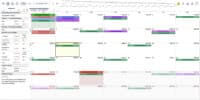
CalendarBudget puts your clothing spend on a clear timeline. Use it to set category limits, log purchases, and see how today’s buys affect next month’s budget at a glance.
How to set up a wardrobe budget in CalendarBudget?
Create a dedicated clothing category, set your spending limit, and record each purchase. Regular check-ins help you stay on track and adjust limits as priorities change—so you can enjoy shopping without surprise overspending.
How to track and forecast clothing expenses visually?
The calendar view makes it easy to spot spending patterns and forecast upcoming costs. By logging outfits and purchases visually, you’ll know when to pause, reallocate funds, or plan for bigger buys like seasonal pieces.
Just as a clear routine sharpens focus, a thoughtful wardrobe plan improves both your look and your finances. With a budget, an honest closet audit, and smarter shopping, you can refresh your style without financial strain.
Frequently Asked Questions
What should I consider when creating a clothing budget?
Look at your monthly income, fixed expenses, and what you actually need from your wardrobe—work clothes, casual pieces, or seasonal items. Set a realistic amount that won’t compromise essentials, and update it as your life changes.
How can I make the most of my existing wardrobe?
Audit for versatile items you can mix and match, use accessories and layering to refresh looks, and repair or tailor pieces instead of replacing them. Small fixes and new combinations often feel like a whole new wardrobe.
What are some tips for shopping during sales or clearance events?
Make a short list of needed items to avoid impulse buys, set a spending cap, check return policies, and shop early for best selection—or wait for a deeper markdown if you can.
How can I ensure my wardrobe reflects my personal style?
Collect outfit inspiration, note recurring colors or silhouettes you love, and prioritize purchases that fit that vision. Focus on clothes that match your lifestyle rather than fleeting trends.
What role does sustainability play in wardrobe budgeting?
Sustainability encourages buying fewer, better-made items that last longer. Thrifting, repairing, and upcycling reduce waste and often save money—so sustainable choices and a smart budget go hand in hand.
How can I track my clothing expenses effectively?
Use CalendarBudget or a simple log to categorize and record each purchase. Regularly compare spending to your budget to spot trends and make smarter choices for future shopping.







Leave A Comment