

Before You Quit Your Job: Can You Afford It?
Going freelance is exciting — and a little uncertain. Most people love the freedom but worry about the money side of things. This piece lays out clear, practical steps to budget for irregular income, plan for taxes, and build a financial safety net so you can decide whether working for yourself is affordable. We cover how to track and forecast variable income, tax planning for the self-employed, steps to build long-term security, and how CalendarBudget can make these tasks simpler.
How Do I Calculate and Manage Irregular Freelance Income?
When your paychecks vary month to month, planning starts with accurate tracking. Know where your money is coming from, log every invoice and expense, and use that history to estimate future cash flow. With consistent records, you can spot dry spells, plan for slow months, and make smarter spending choices.
Freelancing brings unique financial hurdles — but a few reliable systems will help you stay steady through the ups and downs.
Freelance Financial Management: Strategies for Irregular Income
Freelancers often struggle to access loans, credit, and insurance because lenders view variable earnings as higher risk. To reduce that risk, many freelancers build emergency cash reserves, diversify their income, and invest in skills that make their work more marketable.
The Gig Economy: Financial Challenges and Opportunities Faced by Freelancers, CM Bragas
What Are Effective Methods for Tracking Variable Income and Expenses?
Try these practical methods to keep a clear record of irregular income and costs:
- Spreadsheets: A simple, well-organized spreadsheet can track invoices, due dates, and expenses — and it’s easy to update.
- Budgeting Apps: Connect an app to your accounts to automatically categorize transactions and give near-real-time visibility.
- Regular Financial Reviews: Run a quick review each month to compare earnings against bills and adjust your plan as needed.
Using one or more of these approaches will keep your finances visible and actionable.
How Can Visual Budgeting Tools Help Forecast Cash Flow?
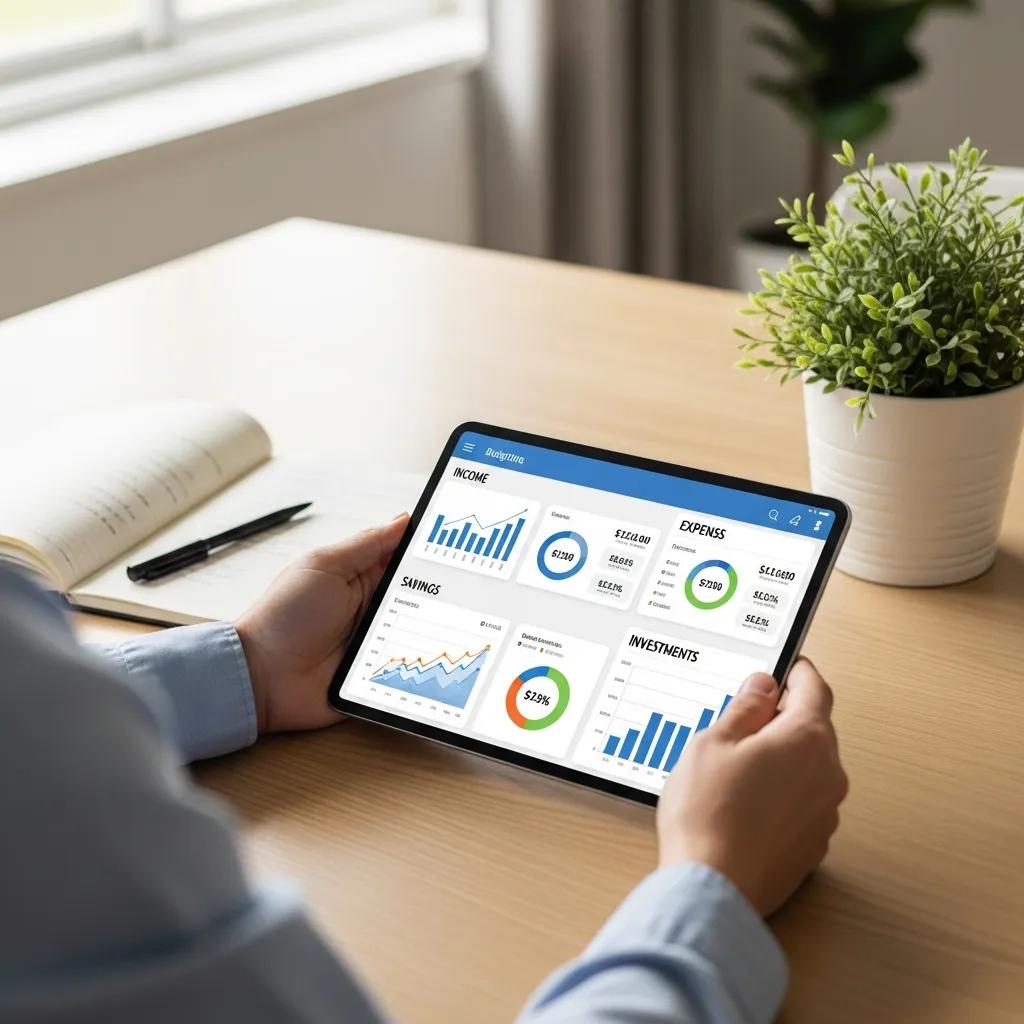
Visual tools turn rows of numbers into clear patterns. Charts and timelines reveal seasonality, average month-to-month income, and upcoming shortfalls — making it easier to plan spending, savings, and client work. In short: visuals speed decisions and reduce surprises.
Solid cash flow forecasting is a core habit for anyone whose income isn’t steady month to month.
Cash Flow Forecasting for Freelancers with Irregular Income
Cash flow projections guide daily financial choices. Budgets and forecasts are essential to remaining solvent when income varies. Predicting inflows and outflows makes budgets more realistic and planning more reliable.
Cash flow forecasting, 2005
- Visual Representation: Graphs and timelines reveal trends faster than tables of numbers.
- Forecasting Future Cash Flow: Use past income and expense patterns to estimate what’s coming next.
- Improving Financial Decision-Making: A clear visual snapshot helps you decide when to say yes to work, tighten spending, or build savings.
When you can see your money across time, you make better choices and reduce stress.
What Are the Key Tax Planning Steps for Self-Employed Individuals?
Taxes are a predictable part of freelancing — if you prepare for them. Estimate what you’ll owe, set the money aside as you get paid, and keep careful records of deductible expenses. Planning ahead prevents year-end shocks and keeps your cash flow steady.
Consistent tax habits — good record-keeping, knowing deductions, and timely filings — make income smoother and reduce costly surprises.
Freelancer Tax Planning: Compliance & Deductible Expenses
Studies show freelancers who use clear tax compliance practices — like organized records, understanding deductible costs, and filing on time — tend to have steadier income. That makes tax planning an important tool for financial stability.
From Side Hustle to Success: Accounting Tips Every Freelancer Should Know, M Celestin, 2018
How Do I Estimate and Set Aside Funds for Quarterly Taxes?
Set yourself up with a straightforward routine:
- Quarterly Tax Estimation Methods: Base estimates on your current-year income and expenses, or use last year’s return if your earnings are similar.
- Importance of Saving for Taxes: Put aside a consistent share of each payment — many freelancers start with 25–30% to cover income and self-employment taxes, then adjust as needed.
- Using Budgeting Tools for Tax Planning: Let apps track income and calculate how much to reserve for tax payments.
Follow those steps, and tax time becomes predictable, not panic-inducing.
Which Business Expenses Are Deductible to Reduce Tax Burden?
Knowing common deductions helps lower your taxable income. Typical deductible expenses include:
- Home Office Deductions: If part of your home is used regularly and exclusively for work, you may be eligible for related deductions.
- Business Travel Expenses: Travel costs for business — transport, lodging, and some meals — can often be deducted within IRS limits.
- Professional Services Costs: Fees for accountants, legal advice, and other business services are usually deductible.
Keep receipts and clear records so you can claim these deductions confidently.
How Can I Build Financial Security While Working for Myself?
Financial security on your own comes from planning and consistency. That means an emergency fund, steady savings for long-term goals, and retirement planning tailored to your situation.
What Strategies Help Create an Emergency Fund for Freelancers?

Build a buffer with these practical moves:
- Setting Savings Goals: Target at least three to six months of essential living costs as your first goal.
- Automating Savings: Schedule automatic transfers to your emergency account so saving happens without thinking.
- Using Budgeting Tools: Track progress in an app to see how close you are and stay motivated.
These steps create a reliable safety net for unexpected slowdowns or big expenses.
How Should Freelancers Plan for Retirement Without Employer Benefits?
Retirement saving is essential even without an employer plan. Consider these options:
- Types of Retirement Accounts: Look into Solo 401(k), SEP IRA, or SIMPLE IRA — each offers tax advantages for self-employed savers.
- Importance of Early Planning: The earlier you start, the more time compound interest has to work for you.
- Using Tax-Advantaged Accounts: Max out contributions where possible to grow savings and lower taxable income.
With consistent contributions and the right accounts, you can build a secure retirement on your own terms.
How Does CalendarBudget Support Freelance Financial Success?
CalendarBudget is an online personal finance tool designed to simplify money management. It’s built to help people with irregular income see their cash flow, plan ahead, and reach financial goals with less stress.
Which Features Help Manage Irregular Income and Expenses?
CalendarBudget includes practical features that freelancers find useful:
- Income Tracking Features: Log and categorize each income source so you always know where your money comes from.
- Expense Categorization: Group costs to spot savings opportunities and control spending.
- Forecasting Tools: Use past data to project future cash flow and plan for slow months.
How Can CalendarBudget Assist in Avoiding Debt and Saving Money?
CalendarBudget helps you make a plan and stick to it by offering tools for:
- Budgeting for Debt Repayment: Build a budget that prioritizes debt paydown to reduce interest and free up future cash.
- Setting Savings Goals: Create and track savings goals to stay motivated and measure progress.
- Tracking Financial Progress: Monitor trends over time to tweak your plan and stay on course.
Use CalendarBudget to get a clearer view of your finances and move toward steady, independent financial health.







Leave A Comment